The information provided in this article is intended solely for general informational and educational purposes. It does not constitute medical advice, diagnosis or professional treatment, and should not be considered a substitute for consultation with a qualified doctor or other licensed healthcare professional. Any health-related decisions should be made in consultation with accredited medical professionals.
While efforts have been made to ensure the information is accurate and up to date, no guarantees are given—either express or implied—regarding its accuracy, completeness, currency or suitability. Use of this information is at your own discretion.
It is strongly recommended to consult official sources such as the NHS (National Health Service) or other recognised medical institutions before acting on any information contained on this website or article. Under no circumstances should professional medical advice be ignored or delayed due to content read here.
This content is of a general and informational nature only. It is not intended to replace individualised guidance from a healthcare professional or to establish any doctor-patient relationship. The publication of this information does not imply any professional responsibility, guarantee or obligation on the part of the author or this site.
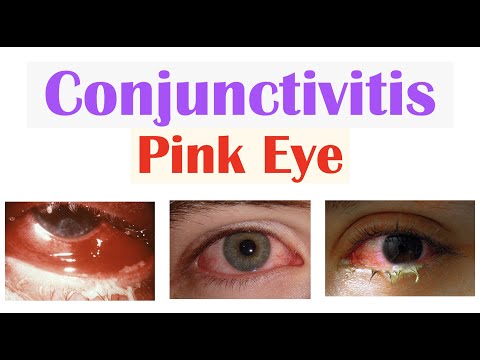
Have you ever woken up with red, itchy eyes and wondered what’s going on? It’s a common scenario. Pink eye, or conjunctivitis, can hit anyone at any time. Whether it’s from allergies, bacteria, or a virus—this condition can be pretty annoying.
You’re not alone if you’re feeling concerned. Lots of people deal with this, and the good news is there are effective treatments available. Understanding these treatments can help clarify what to expect and how to ease your discomfort.
This article dives deep into the various treatments for pink eye. We’ll talk about everything from over-the-counter options to when it might be necessary to see a doctor. Knowing your choices can empower you and help you make informed decisions.
Just remember, though: while this overview provides useful insights, it doesn’t replace medical advice. Always consult a healthcare professional for health concerns – they’ll guide you based on your unique situation.
Your Ultimate Guide to Fast Relief and Recovery
Understanding Pink Eye
Pink eye, or conjunctivitis, happens when the thin layer covering the eye and inside of the eyelid gets inflamed. This can be caused by infections, allergies, or irritants. You know that red and scratchy feeling? That’s a telltale sign.
There are three main types: viral, bacterial, and allergic conjunctivitis. Viral is often linked to colds, while bacterial can come from bacteria like staphylococcus. Allergic pink eye might be triggered by pollen or pet dander.
Symptoms You Might Experience
Common symptoms include redness in one or both eyes, itching, a gritty feeling in your eye, and sometimes discharge that crusts over at night. If you’ve ever woken up with sticky eyelids—it’s no fun!
Treatment Options Available
- Viral Conjunctivitis: This type usually doesn’t need special treatment. It often just takes time to heal on its own—like waiting for a cold to pass.
- Bacterial Conjunctivitis: Antibiotic eye drops can help clear it up quicker. Think of these like having an umbrella ready for rain—they protect you from problems getting worse.
- Allergic Conjunctivitis: Over-the-counter antihistamine drops might offer relief by reducing itching and swelling.
Add Some Comfort Measures
You can also try some warm compresses on your eyes to ease discomfort. Just dampen a clean cloth with warm water and place it over your closed eyes for several minutes. It’s like giving your peepers a little spa day!
Avoid Spreading It Around
If you have pink eye, it’s super important to practice good hygiene. Wash your hands regularly—and try not to touch your face too much too! Discard any tissues or wipes you use nearly right away.
When to Seek Help?
If symptoms get worse or don’t improve after a few days—or if you experience severe pain—reaching out for professional advice is wise. It’s better to check in than guess at something more serious!
Myths about Pink Eye
- Pink eye is always contagious: Not true! Only certain types are contagious—mainly viral and bacterial forms.
- You can’t wear contact lenses with pink eye: It’s best not to until it’s cleared up since they may worsen irritation.
- Pink eye is just an allergy reaction: Lots of folks think this but remember that infections are common culprits as well!
The key takeaway here? Understanding what kind of pink eye you’re dealing with helps guide treatment choices effectively. Stay informed and keep those hands clean!
Everything You Need to Know About Managing This Common Eye Condition
Understanding Pink Eye
Pink eye, or conjunctivitis, is a pretty common eye condition. It occurs when the thin layer covering the white part of your eye and the inside of your eyelids gets inflamed. This inflammation can make your eyes red, itchy, or watery. You might have heard of it being referred to as “pink eye” because of the redness.
Types of Pink Eye
There are three main types: viral, bacterial, and allergic. Each type has different causes and symptoms.
- Viral conjunctivitis: This is often caused by viruses like the common cold. You might notice watery discharge from your eyes, along with light sensitivity.
- Bacterial conjunctivitis: Here, bacteria cause the irritation. It usually leads to thicker yellow or green discharge and may affect one or both eyes.
- Allergic conjunctivitis: This occurs due to allergens like pollen or pet dander. It typically comes with itching and swelling but not much discharge.
Treatment Options
Treating pink eye depends on what’s causing it. For viral conjunctivitis, there’s typically no specific treatment; you just let it run its course—usually about a week or two.
If it’s bacterial conjunctivitis, antibiotic drops are often prescribed to help clear up the infection quicker. Always follow instructions if given any medication.
For allergic pink eye, over-the-counter antihistamines may help relieve symptoms. Just think about it like how you take allergy medicine for sneezing; it can work on your eyes too.
Caring for Your Eyes
No matter what type you have, good hygiene is super important in managing pink eye! Wash your hands often and avoid touching your eyes to prevent spreading or worsening an infection.
You should also avoid sharing towels or pillows with others while you’re experiencing symptoms since that can easily spread bacteria or viruses around.
When to Seek Help
If symptoms persist beyond a week without improvement—or if you notice severe pain—it’s best to reach out for professional advice. Look for changes in vision or increased sensitivity to light as these could indicate something more serious.
The Bottom Line
Pink eye is a manageable condition for most people when proper care is taken. Recognizing whether it’s viral, bacterial or allergic helps guide appropriate treatment approaches.” Pay attention to cleanliness and listen closely to what your body tells you!
Uncovering the Most Effective Treatment for Eye Infections
Understanding Eye Infections
Eye infections can be a real hassle, can’t they? They often affect our vision and overall comfort. The most common type is conjunctivitis, also known as pink eye. This condition can be caused by bacteria, viruses, or even allergies.
Types of Eye Infections
- Bacterial Conjunctivitis: This one often leads to yellowish discharge and may occur in one or both eyes.
- Viral Conjunctivitis: Usually linked to a cold or respiratory infection, this type is highly contagious and doesn’t produce any pus.
- Allergic Conjunctivitis: Triggered by allergens like pollen, dust, or pets. Itchy and watery eyes are the main complaints here.
Treating Pink Eye
Treatment depends on what’s causing the infection. So let’s break it down by type.
Bacterial Conjunctivitis Treatment
This is typically treated with antibiotic eye drops or ointments. They help combat the bacteria responsible for the infection. Honestly, many people start feeling better just within a couple of days of starting treatment.
Viral Conjunctivitis Treatment
The thing about viral infections is that antibiotics aren’t effective against them. Instead, treatment mainly focuses on relieving symptoms—like using cool compresses for comfort and artificial tears to soothe your eyes.
Allergic Conjunctivitis Treatment
If you’re dealing with allergies, antihistamine eye drops can work wonders! They help reduce itchiness and redness caused by allergic reactions.
Home Remedies for Comfort
- Cleansing: Gently washing your eyelids with warm water may help remove crusts from discharge.
- Cools Compress: Applying a cool washcloth over your eyes can provide relief from swelling and discomfort.
- Avoid Rubbing: It’s tempting but rubbing your eyes may worsen the irritation or spread infection!
Misinformation about Treatments
You might come across various home remedies online claiming to fix eye infections quickly. It’s essential to approach these claims critically. Some things like using tea bags really have no scientific backing!
When to See Someone?
If symptoms worsen or don’t improve after a few days, reaching out to an eye care professional makes sense. Also, if there are severe symptoms like intense pain or vision changes—don’t wait!
The key takeaway? Understanding what type of conjunctivitis you’re dealing with will guide you toward effective treatments. Don’t hesitate; seek advice if you’re unsure about managing symptoms yourself!
Pink eye, or conjunctivitis, is a common eye condition that can affect people of all ages. It happens when the thin layer covering the white part of the eye and inside the eyelids becomes inflamed. This inflammation can be caused by infections, allergies, or irritants.
Effective treatments for pink eye vary based on its cause. Bacterial conjunctivitis, for example, often improves with antibiotic eye drops. These drops help eliminate the infection more quickly. On the other hand, viral conjunctivitis usually resolves on its own. Here, warm compresses and soothing drops may provide relief.
If allergies trigger your pink eye symptoms, antihistamines or allergy drops can be quite helpful. It’s like taking medication for a runny nose when pollen levels are high – you target the cause to feel better.
What’s crucial is understanding that not every case requires antibiotics; misuse can lead to resistance and isn’t safe for viral infections. It’s important to consult a healthcare professional if symptoms persist.
This overview underscores how different causes demand tailored treatment strategies while emphasizing collaboration between patients and healthcare providers for optimal outcomes. You know, being proactive in managing eye health is always a smart move!