The information provided in this article is intended solely for general informational and educational purposes. It does not constitute medical advice, diagnosis or professional treatment, and should not be considered a substitute for consultation with a qualified doctor or other licensed healthcare professional. Any health-related decisions should be made in consultation with accredited medical professionals.
While efforts have been made to ensure the information is accurate and up to date, no guarantees are given—either express or implied—regarding its accuracy, completeness, currency or suitability. Use of this information is at your own discretion.
It is strongly recommended to consult official sources such as the NHS (National Health Service) or other recognised medical institutions before acting on any information contained on this website or article. Under no circumstances should professional medical advice be ignored or delayed due to content read here.
This content is of a general and informational nature only. It is not intended to replace individualised guidance from a healthcare professional or to establish any doctor-patient relationship. The publication of this information does not imply any professional responsibility, guarantee or obligation on the part of the author or this site.
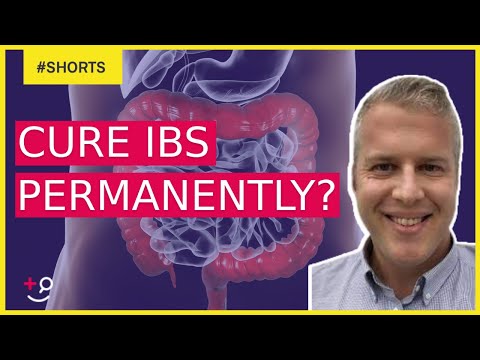
Ever had that unsettling feeling in your stomach, almost like it’s having a party you weren’t invited to? You’re not alone. A lot of people grapple with stomach pain, especially those dealing with Irritable Bowel Syndrome (IBS). It can be frustrating and, honestly, exhausting.
Managing IBS involves understanding triggers and finding relief fast. If you’ve ever faced those annoying cramps or sudden bloating before an important event, you know how crucial it is to have effective solutions at hand. This article dives into some simple yet effective ways to relieve that nagging discomfort.
We’ll cover practical strategies that many find helpful in easing their symptoms quickly. From dietary choices to relaxation techniques, there are approaches you can try for immediate relief. However, it’s important to remember this content doesn’t replace professional medical advice. Always consult a healthcare provider before making health decisions based on any information you read here.
Understanding IBS can transform your daily life for the better. So let’s get started on the path to feeling more comfortable!
Quick Tips for Easing Discomfort When You Need It Most
Understanding IBS and Its Discomfort
So, let’s talk about Irritable Bowel Syndrome (IBS). It’s a common condition that messes with your digestive system. If you’ve got IBS, you might experience cramps, bloating, or unpredictable bowel habits. It can be really frustrating. Sometimes, the discomfort just hits you out of nowhere.
What Can You Do in the Moment?
When you’re feeling that stomach pain, it’s good to have a few tricks up your sleeve. Here are some quick tips that could help ease the discomfort:
- Heat Therapy: Applying a warm compress or heating pad on your abdomen can soothe cramps. Think of it like giving your belly a little hug.
- Stay Hydrated: Sipping on warm water or herbal teas—like peppermint—might help calm things down. Just avoid caffeine; it can sometimes make things worse.
- Breathe Deeply: Taking slow, deep breaths helps relax your body and mind. Try inhaling through your nose for four counts, then exhaling through your mouth for six counts.
Minding Your Diet Choices
Your diet plays a significant role in managing IBS symptoms. Eating smaller meals more frequently rather than three big ones is often easier on your stomach. Consider avoiding foods known to trigger symptoms—like spicy or fatty foods—in times of distress.
A Good Example
If you know that dairy makes you feel crummy but love cheese, maybe try lactose-free options next time? Small swaps can make a big difference without causing major lifestyle changes.
The Power of Movement
You don’t need an intense workout; gentle movement like walking might relieve some discomfort by getting things moving in your digestive tract again.
Coping Mechanisms
This is where relaxation techniques come into play—yoga or gentle stretches can also work wonders for bloating and pain.
When to Seek Help?
If you’ve tried these methods and nothing seems to work, it’s wise to check in with someone who knows about this stuff better than anyone else—you know what I mean? A healthcare professional can offer tailored advice or investigate further if needed.
A Balanced Approach Always Helps
No one-size-fits-all remedy exists for IBS discomfort. However, exploring different strategies may lead you toward finding relief that matches your unique situation.
Unlock Lasting Relief from IBS: Discover Proven Strategies for a Better Tomorrow
Understanding IBS and Its Impact
Irritable Bowel Syndrome (IBS) is a common digestive disorder. It’s like having your stomach and intestines on a rollercoaster. One minute you’re fine, and the next, you’re dealing with bloating, cramps, or a sudden need to find a restroom.
This condition isn’t just about physical discomfort; it can also affect your mood and lifestyle. Many people with IBS experience anxiety because they worry about when symptoms might strike.
Identifying Triggers
So, what’s the deal with IBS triggers? Think of them like potholes in the road. You might encounter them while driving, but knowing where they are helps you steer clear.
Common triggers include certain foods like dairy products or high-fat meals, stress, and even hormonal changes in some people. Keeping a food diary can help you figure out what sets off your symptoms.
Dietary Adjustments
Adjusting your diet can lead to significant relief. It’s not one-size-fits-all though. Some folks find that going low FODMAP helps mange symptoms better.
- Low FODMAP Diet: This involves reducing certain carbohydrates that can ferment in the gut—think beans, wheat products, or onions.
- Fiber: Increasing soluble fiber through sources like oats or bananas may help regulate bowel movements.
- Adequate Hydration: Drinking enough water is vital; it keeps everything moving smoothly in your digestive system.
Lifestyle Changes
Lifestyle changes can also play an important role. Regular exercise is known to aid digestion by keeping things moving along smoothly. Whether it’s walking for 30 minutes every day or doing yoga stretches—it all counts!
Meditation and Mindfulness
Mental wellness is often overlooked but really matters here. Techniques like meditation, deep breathing exercises or mindfulness practices may reduce stress levels which are often tied to symptom flare-ups.
Over-the-Counter Solutions
You might want to consider over-the-counter medications as well. Antacids typically help relieve bloating while medications for diarrhea can offer extra support during flare-ups.
- Loperamide: Good for stopping diarrhea fast but use it cautiously—it’s not meant for long-term management.
- Simethicone:This reduces gas buildup which may ease discomfort during those uncomfortable moments.
The Importance of Professional Guidance
If you’re feeling stuck managing IBS on your own, talking to a healthcare professional could be super helpful. They can guide you through personalized strategies to find what works best for you without any confusion!
A Final Thought
You’re definitely not alone in this journey! Many others share similar experiences with IBS and finding relief takes time and patience.
Explore these different strategies gradually—it’s about discovering what combination fits best with your lifestyle!
Simple Strategies for Easing Discomfort and Finding Relief
Understanding IBS and Stomach Pain
Irritable Bowel Syndrome, or IBS, is a common digestive issue. It can cause a range of symptoms, including stomach pain, bloating, gas, and changes in bowel habits. For many people, these symptoms can feel overwhelming at times.
So, what can we do to ease that discomfort? Let’s explore some simple strategies that might help you find relief.
Dietary Changes
Your diet plays a big role in how your body feels. Sometimes, certain foods can trigger IBS symptoms. Keeping track of what you eat in a food diary can be revealing.
- Fiber: Adding fiber gradually to your diet could help regulate bowel movements. Foods like oats and fruits are good sources.
- Avoid Triggers: Many people find that dairy products or high-fat foods don’t sit well with them. So maybe try skipping them for a bit and see how you feel.
- Stay Hydrated: Drinking enough water is crucial for digestion. Aim for at least eight glasses daily!
Coping Strategies
Sometimes it’s not just about what you eat but also how you manage stress and discomfort. Stress management techniques can make a difference.
- Relaxation Techniques: Think about trying deep breathing exercises or mindfulness meditation. These can help calm both your mind and gut.
- Laughter: We all know laughter is the best medicine! Finding humor in everyday situations may ease tension.
- Gentle Exercise: Regular physical activity like walking or yoga could help improve digestion and reduce overall stress levels.
Pacing Your Meals
The way you eat matters too—sounds simple right? Eating smaller meals more frequently might prevent those dreaded flare-ups instead of large meals that could overwhelm your system.
The Power of Heat
A warm compress or heating pad applied to your abdomen may provide soothing relief from cramps or spasms.
The Importance of Sleep
Your body needs rest to function well—even more so when dealing with IBS symptoms. Try to establish a calming bedtime routine so you get the shut-eye your body craves!
A Reminder on Professional Advice
If discomfort persists or worsens despite trying these strategies, it’s wise to seek guidance from a healthcare professional who understands your individual concerns better than anyone else.
Taking charge of your health involves understanding yourself—sometimes it just takes some trial-and-error along the way! Each person’s experience with IBS is unique; finding what works for you could take time but remember—you’re not alone on this journey!
Effective Ways to Relieve Stomach Pain From IBS Fast
Irritable Bowel Syndrome, commonly known as IBS, can be a real pain—literally. People with this condition often deal with discomfort that can impact their daily lives. So, what can be done to ease that stomach pain quickly? Let’s break it down.
Understanding IBS
IBS is a gastrointestinal disorder affecting the large intestine. Symptoms include cramping, bloating, gas, and diarrhea or constipation. It’s tricky because everyone experiences it differently. Some foods might trigger symptoms for one person but not another.
Diet Adjustments
First things first: diet plays a huge role in managing IBS symptoms. Pay attention to what you eat. For many, high-fat meals or dairy can worsen pain. Instead, think about incorporating soluble fiber found in foods like oats and apples. They can help regulate digestion.
Hydration
Another effective method? Staying well-hydrated! Water helps digestion and can prevent constipation—a common issue for those with IBS. Aim for at least eight glasses a day; your body will thank you.
Heat Therapy
You know how comforting a warm blanket feels on a chilly day? The same goes for heat when you’re experiencing stomach pain. Applying a heating pad or hot water bottle to your abdomen can relax muscles and reduce cramps quickly.
Mental Well-Being
Sometimes stress and anxiety can trigger IBS flare-ups. Practicing deep breathing exercises or meditation might help calm your mind, which in turn could alleviate some physical discomfort. Taking just ten minutes to focus on breathing could make a difference.
Over-the-Counter Solutions
If the pain persists, consider over-the-counter options like simethicone for gas relief or antispasmodics to ease cramps. They’re quick fixes that many find helpful but it’s best to check in with a healthcare provider before starting any new medication.
A Personalized Approach is Key
The reality is that everyone’s experience with IBS is unique; what works for one person may not work for another. Keeping track of triggers through journaling might provide insights into what helps you specifically.
The journey of managing IBS requires patience and experimentation—don’t hesitate to seek professional guidance if needed! Finding the right combination of strategies could ultimately lead you toward more comfortable days ahead.