The information provided in this article is intended solely for general informational and educational purposes. It does not constitute medical advice, diagnosis or professional treatment, and should not be considered a substitute for consultation with a qualified doctor or other licensed healthcare professional. Any health-related decisions should be made in consultation with accredited medical professionals.
While efforts have been made to ensure the information is accurate and up to date, no guarantees are given—either express or implied—regarding its accuracy, completeness, currency or suitability. Use of this information is at your own discretion.
It is strongly recommended to consult official sources such as the NHS (National Health Service) or other recognised medical institutions before acting on any information contained on this website or article. Under no circumstances should professional medical advice be ignored or delayed due to content read here.
This content is of a general and informational nature only. It is not intended to replace individualised guidance from a healthcare professional or to establish any doctor-patient relationship. The publication of this information does not imply any professional responsibility, guarantee or obligation on the part of the author or this site.
Have you ever felt unusually tired, even after a full night’s sleep? You’re not alone. A surprising number of people underestimate the role vitamins play in their everyday energy levels. Riboflavin, or vitamin B2, is one of those essential nutrients that often doesn’t get the spotlight it deserves.
This little powerhouse helps your body convert food into energy and keeps your skin and eyes healthy. Think of riboflavin as a dedicated mechanic for your body’s engine; without it, things just don’t run quite right.
In this article, we’re diving into the world of riboflavin-rich foods. You’ll discover tasty options that can boost your vitality and overall wellness. From dairy products to leafy greens, these foods can easily fit into your diet.
It’s all about making small changes for better health in the long run. But remember: this information isn’t a substitute for personal medical advice. Always consult with a healthcare professional before making significant dietary changes or if you’re dealing with persistent health issues.
Understanding the Hidden Signs and Symptoms of Riboflavin Shortage
Understanding Riboflavin Deficiency
Riboflavin, also known as vitamin B2, plays a crucial role in our body. It helps convert food into energy and is essential for the health of your skin, eyes, and nerve functions. But sometimes we don’t get enough of it, leading to a deficiency.
What Does a Riboflavin Shortage Look Like?
So, what are the signs and symptoms? It might be tricky because they can be quite subtle. Common indicators include fatigue and sore throats. You might also notice cracks at the corners of your mouth or even sores on your lips.
Lingering redness or inflammation of the tongue can signal a shortage too. It’s like your body is waving a little flag saying it needs help!
Why Does Deficiency Happen?
You know how some diets focus heavily on processed foods? Well, those often lack vital nutrients like riboflavin. Certain medical conditions can hinder absorption as well. For instance, if someone has celiac disease or Crohn’s disease, their bodies may struggle to soak up nutrients properly.
Food Sources Rich in Riboflavin
- Dairy Products: Milk and yogurt are great sources.
- Meat: Lean meats like beef liver pack a hefty punch of riboflavin.
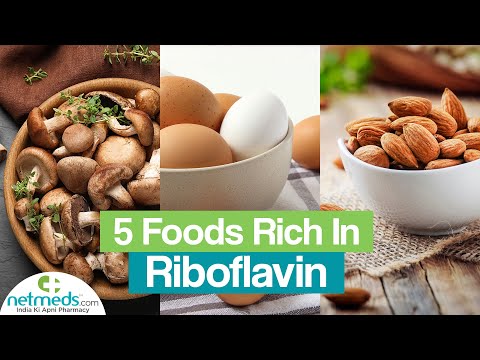
- Nuts: Almonds are not just for snacking; they’re nutritious too!
- Leafy Greens: Spinach includes good amounts of this vitamin.
If you’re looking to include more riboflavin in your diet, think about whole grains as well—things like oatmeal and whole grain bread can help out too.
The Importance of Balance
A healthy diet means balance among various nutrients. Just getting one vitamin isn’t enough! If you suspect you’re not getting enough riboflavin—and it’s worth considering—you might want to chat with someone who knows about nutrition.
The thing is, deficiencies usually hint that there’s something bigger going on with diet or health habits. So paying attention to those signs can lead you toward better choices overall!
Caution Against Misconceptions
A lot of people think that just taking supplements solves everything—like popping a magic pill. While they’re helpful at times, remember that getting nutrients from food is often best for long-term wellness.
The Bottom Line
If you’re feeling unusual fatigue or experiencing symptoms mentioned above—and they persist—it could be worth exploring if riboflavin plays a role in your wellbeing. Your body usually communicates what it needs; it’s just about learning how to listen!
Unlock the Power of Nutrition with Delicious B2-Rich Foods
Understanding Riboflavin
Riboflavin, or vitamin B2, plays a crucial role in our bodies. It helps convert the food we eat into energy. Think of it like fuel for your car; without it, you might not go anywhere!
This vitamin is also essential for healthy skin, eyes, and even red blood cells. It’s like a multitasker for your body—making sure everything runs smoothly.
Why B2-Rich Foods Matter
Eating foods rich in riboflavin can be beneficial for overall health. You know how eating fruits and veggies can boost your vitamins? Well, riboflavin is no different! It can aid in various bodily functions that keep you feeling energized.
If you’re feeling a bit sluggish or fatigued, it might be a signal to check your diet. Lack of riboflavin could contribute to those feelings. Incorporating B2-rich foods can help support better energy levels.
Delicious Sources of Riboflavin
- Dairy products: Milk, yogurt, and cheese are great sources. If you love a creamy yogurt parfait in the morning, you’re doing good!
- Eggs: Eggs are not just versatile but also packed with nutrition! An omelet can be both delicious and nutritious.
- Nuts and seeds: Almonds and sunflower seeds are high in riboflavin too. A handful makes a nice snack anytime.
- The green leafy veggies: Spinach and broccoli give you more than just vitamins; they give you riboflavin as well!
- Lean meats: Chicken and turkey provide a good dose of B2. A grilled chicken breast salad can be very satisfying.
A Quick Comparison
If you’re pondering between two choices—say chicken or tofu—keep in mind that animal products generally have more riboflavin than plant sources. But don’t worry! Vegans can still get their fill with nuts and dark greens.
B2 Deficiency Signs
- Sore throat: Ever notice throat discomfort that seems unexplainable? Low riboflavin might play a part.
- Cuts take longer to heal?: If healing feels slow, consider your B2 intake—it supports skin health after all!
- Pale skin or lips?: That could also hint at low levels of this vitamin; skin needs its nutrients too!
A Balanced Approach
The key here isn’t just piling on the riboflavin-rich foods but rather balancing them with other essential nutrients too. Eating varied foods ensures that you receive all the necessary vitamins and minerals.
You might find that when your meals consist of colorful plates filled with different food groups—you feel better overall! Variety is fun and adds excitement to meal times.
A Final Thought
Nourishing our bodies through diet isn’t about restriction—it’s about inclusion! So next time you’re at the grocery store or preparing dinner think about adding some yummy B2-rich options into the mix.
Nourish Your Body with Delicious Plant-Based Sources of Vitamin B2
Vitamin B2, also known as riboflavin, plays a crucial role in our overall health. It helps our bodies convert food into energy and supports healthy skin and eyes. If you’re looking to boost your riboflavin intake through plant-based sources, there are plenty of tasty options out there.
What Foods are Rich in Riboflavin?
You might be surprised at how many plant-based foods provide vitamin B2. Here are some of the top choices:
- Spinach: This leafy green is not just loaded with iron; it also contains a good amount of riboflavin. Adding spinach to salads or smoothies can be a great way to up your intake.
- Mushrooms: Particularly varieties like crimini and shiitake have riboflavin in them. They can be grilled, sautéed, or tossed into soups.
- Almonds: These crunchy nuts are a fantastic snack packed with nutrients. Just a handful can provide you with a nice dose of vitamin B2.
- Quinoa: This whole grain is not only gluten-free but also rich in essential vitamins including riboflavin. It can serve as a great base for salads or bowls.
- Lentils: Besides being high in protein, lentils also contain riboflavin. Think about adding them to soups or using them as a meat substitute.
Why is Vitamin B2 Important?
The thing is, vitamin B2 is vital for energy production because it helps break down carbohydrates, fats, and proteins. Without enough riboflavin, you might feel tired or sluggish—no one wants that! Plus, it acts like an antioxidant—it helps protect your cells from damage by free radicals.
A Quick Look at Daily Requirements
The daily recommended intake varies depending on age and gender but generally ranges around 1-1.3 mg for adults. If you’re pregnant or breastfeeding, you may need more to support both yourself and your baby.
A Balanced Diet Matters
You know, while focusing on plant-based sources of riboflavin is essential, remember that getting vitamins from various foods will always be beneficial for overall health. Eating a colorful plate packed with fruits and veggies ensures you’re getting all the nutrients you need!
A Few Myths About Riboflavin
You might have heard that vegan diets lack necessary nutrients completely; that’s simply not true! Many plant-based foods provide adequate levels of vitamin B2 when included regularly in the diet.
If you’re ever unsure whether you’re getting enough riboflavin from your meals, paying attention to how you feel is key! Fatigue could indicate deficiency among other things—but it’s best not to self-diagnose without chatting with someone knowledgeable.
Essential Riboflavin-Rich Foods for Optimal Health and Wellness
Riboflavin, also known as vitamin B2, plays a crucial role in energy production and overall health. It helps our bodies convert carbohydrates, fats, and proteins into energy. You know? It’s like the fuel that keeps our engines running smoothly.
Many folks overlook riboflavin, but it’s found in various foods we eat daily. Dairy products like milk and yogurt are excellent sources. They not only provide riboflavin but also calcium and protein, making them a well-rounded choice.
Meats such as lean beef and poultry are rich in riboflavin too. For vegetarians or those looking to switch things up, dark leafy greens like spinach can also pack a punch with this vitamin.
Nuts, especially almonds, offer not just riboflavin but healthy fats as well. Including them in your diet can be beneficial for heart health.
Eggs are another versatile option; they’re great for breakfast or any meal. One egg contains a good amount of riboflavin along with essential amino acids.
Whole grains like oats and quinoa provide riboflavin too. They’re more than just carbs—they offer fiber that aids digestion and keeps us feeling full longer.
The key thing is balance; incorporating these foods into your diet can help ensure you get enough riboflavin along with other important nutrients. Keeping an eye on your diet can lead to better overall wellness.
If you’re concerned about your intake or have dietary restrictions, consider speaking with a nutritionist or healthcare provider—they can offer personalized guidance tailored to your needs.