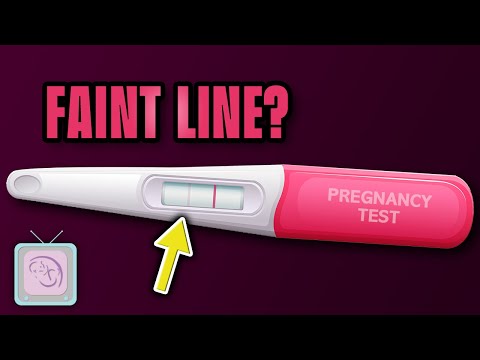
Have you just taken a home pregnancy test and noticed a faint positive line? It can evoke a whirlwind of emotions—hope, confusion, or even anxiety. Understanding what this faint line means is essential for navigating your next steps.
A faint positive pregnancy test usually indicates that the hormone hCG (human chorionic gonadotropin) is present in your urine. This hormone typically increases in early pregnancy. However, the intensity of the line can depend on various factors: when the test was taken, how diluted your urine is, and even if it’s too early in your cycle.
Here are a few key points to consider about faint positives:
The information provided in this article is intended solely for general informational and educational purposes. It does not constitute medical advice, diagnosis or professional treatment, and should not be considered a substitute for consultation with a qualified doctor or other licensed healthcare professional. Any health-related decisions should be made in consultation with accredited medical professionals.
While efforts have been made to ensure the information is accurate and up to date, no guarantees are given—either express or implied—regarding its accuracy, completeness, currency or suitability. Use of this information is at your own discretion.
It is strongly recommended to consult official sources such as the NHS (National Health Service) or other recognised medical institutions before acting on any information contained on this website or article. Under no circumstances should professional medical advice be ignored or delayed due to content read here.
This content is of a general and informational nature only. It is not intended to replace individualised guidance from a healthcare professional or to establish any doctor-patient relationship. The publication of this information does not imply any professional responsibility, guarantee or obligation on the part of the author or this site.
While it’s normal to feel excited or anxious at this stage, it’s crucial to remember that not all faint positives mean you’re definitely pregnant. Sometimes they can result from chemical pregnancies or other factors like hormonal fluctuations.
***Warning:*** It’s important to approach any health information with caution. Relying solely on one source can lead to misunderstanding. Consulting multiple specialists or trustworthy media sources will help clarify what a faint positive pregnancy test means specifically for you. Always seek professional guidance when uncertain—your journey is unique and deserves personalized care.
Understanding Your Faint Line: A Guide to Pregnancy Timeline and What It Means
Understanding your faint line on a pregnancy test can be confusing. It’s important to know what those lines mean and how they relate to your pregnancy timeline.
A faint line often indicates that the test has detected some level of the hormone hCG. This hormone is produced when a fertilized egg implants into the uterus.
However, just because there’s a line doesn’t mean you’re definitely pregnant. Faint lines can occur for several reasons:
It’s also useful to consider when you took the test in relation to your menstrual cycle. A faint line might show up if you’re testing before your expected period.
If you get a faint positive result, wait a few days and test again. Your body will likely produce more hCG as time goes on, leading to a darker line.
If you are unsure about the result, reaching out for professional guidance is always a wise choice. They can provide clarity and support as needed.
Remember, not all situations where faint lines appear indicate pregnancy. Sometimes, it could be an evaporation line or even a chemical pregnancy.
Using multiple tests from different brands might help confirm results too. It’s always better to gather more information rather than jumping to conclusions.
Each woman’s body is different, and timelines vary widely. If you have concerns about your health or potential pregnancy, seeking out tailored advice is essential for your well-being.
Stay curious and informed! Understanding these nuances empowers you in making responsible decisions for yourself and your health journey.
Navigating the Faint Line Dilemma on Your Pregnancy Test
Navigating the world of pregnancy tests can be confusing. One common issue is the faint line dilemma. You take a test, and instead of a clear positive, you see a light line. What does it mean?
First, let’s talk about how pregnancy tests work. They detect a hormone called hCG, which your body produces when pregnant. The darker the line, the more hCG is present.
A faint line can mean several things:
If you see that faint line, it’s important not to panic. Instead, consider retesting in a few days. By then, if you are pregnant, levels of hCG will likely increase.
Always check the instructions on your test for guidance on reading results accurately. Different brands can have different sensitivities to hCG.
Remember not to interpret one test result as definitive. If you’re confused or concerned about your results, reaching out for support from healthcare providers can help clarify things for you.
Keep in mind that false positives are rare but can happen due to certain medical conditions or medications.
In conclusion, seeing a faint positive might feel alarming or uncertain. But it’s often simply part of navigating early pregnancy signs. Trusting your instincts and seeking further guidance is key to understanding what that faint line means for you personally.
Navigating the Waiting Game: Timing Your Next Test After a Faint Positive
Experiencing a faint positive on a pregnancy test can be both exciting and confusing. It’s important to understand what this result might mean for you.
A faint positive could indicate early pregnancy. However, it may also be the result of testing too early. The hormone detected by pregnancy tests, called HCG, takes time to build up in your body after conception.
So, when is the right time to retest? Here are some key points to consider:
If you get another faint positive, or if you have any symptoms of pregnancy like missed period or nausea, it might be worth scheduling an appointment with a healthcare provider for further guidance.
On the flip side, if a subsequent test comes back negative and your period still doesn’t arrive, it’s wise to consult with someone who can help you explore other causes.
Remember, it’s completely normal to feel anxious during this waiting game. Give yourself grace as you navigate these emotions and uncertainties.
Staying informed empowers you to make decisions that feel right for your body and situation. Keep in mind that every person’s experience is unique, and it’s okay to reach out for support when needed.
A faint positive pregnancy test can evoke a mix of emotions, ranging from joy to confusion. Understanding what this result means can help individuals make informed decisions about their health and next steps.
When you see a faint line on a home pregnancy test, it indicates the presence of the hormone hCG (human chorionic gonadotropin). This hormone is released when a fertilized egg implants in the uterus. However, the intensity of the line can vary for several reasons.
Timing is crucial. If you take a test early in your cycle, your hCG levels might be low. Waiting a few days and retesting often provides clearer results as hormone levels rise during early pregnancy.
Variability among tests exists. Different brands have different sensitivities to hCG. A faint line on one test might look different compared to another, leading to further uncertainty.
Consider the context. If there’s any chance you could be pregnant, even a faint positive should prompt you to consider scheduling an appointment with a healthcare provider for confirmation and guidance.
Lastly, miscarriages or chemical pregnancies can also contribute to faint lines initially, as these conditions cause early fluctuations in hCG levels. If subsequent tests are negative or if symptoms arise, seeking professional advice is important.
In summary, while a faint positive result can signal pregnancy, it’s essential not to jump to conclusions. Careful consideration of timing and testing methods will lead you toward clarity and help in making informed decisions about your reproductive health.