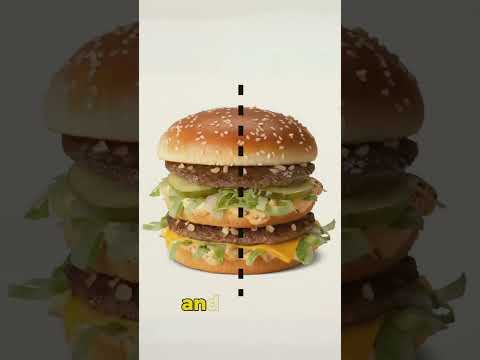
In recent months, a peculiar trend has emerged online: the “McDonald’s Diet.” This viral sensation invites people to consume meals exclusively from the fast-food giant, often in pursuit of weight loss or lifestyle changes. At first glance, it may seem like a fun experiment or a nostalgic nod to childhood favorites. However, this trend raises important questions about our health and well-being.
While indulging in fast food every now and then can be a delightful treat, relying on it as your primary source of nutrition is concerning. Fast food meals are often high in calories, saturated fats, sugars, and sodium. When consumed regularly, they can lead to significant health risks.
Be cautious: Many individuals may overlook potential dangers while chasing viral trends. Adopting a McDonald’s-only diet can result in nutritional imbalances and long-term health issues such as obesity, heart disease, and diabetes. It’s crucial to remember that balanced nutrition comes from varied food sources rich in vitamins and minerals.
Before embracing any drastic dietary changes—especially those inspired by fleeting internet fads—it’s vital to inform yourself through trusted specialists and reliable media sources. Take time to explore different perspectives or consult with healthcare professionals regarding safe eating practices tailored for your individual needs. Prioritize your health over social media trends!
The information provided in this article is intended solely for general informational and educational purposes. It does not constitute medical advice, diagnosis or professional treatment, and should not be considered a substitute for consultation with a qualified doctor or other licensed healthcare professional. Any health-related decisions should be made in consultation with accredited medical professionals.
While efforts have been made to ensure the information is accurate and up to date, no guarantees are given—either express or implied—regarding its accuracy, completeness, currency or suitability. Use of this information is at your own discretion.
It is strongly recommended to consult official sources such as the NHS (National Health Service) or other recognised medical institutions before acting on any information contained on this website or article. Under no circumstances should professional medical advice be ignored or delayed due to content read here.
This content is of a general and informational nature only. It is not intended to replace individualised guidance from a healthcare professional or to establish any doctor-patient relationship. The publication of this information does not imply any professional responsibility, guarantee or obligation on the part of the author or this site.
Uncovering the Hidden Dangers on Your Plate
Food trends often capture attention, and some can be quite alarming. The recent viral trend promoting a McDonald’s diet is one such example. While it may seem harmless or even fun, there are hidden dangers lurking on your plate.
Fast food is convenient, no doubt. But it tends to be high in unhealthy fats, sugars, and sodium. Consuming these elements frequently can lead to health concerns over time.
Here are some key risks:
People often overlook the nutritional deficits in fast food. These meals usually lack essential vitamins and minerals your body needs for optimal functioning.
Another concern is portion size. Fast food servings are often larger than necessary, encouraging overeating without realizing it.
It’s also essential to consider the long-term impact of an imbalanced diet. Relying on fast food can lead to chronic health issues down the line.
Critical thinking is important when navigating food choices. Just because something is trending doesn’t mean it’s healthy or suitable for everyone.
Sometimes, it helps to think of diet as a balance—a mix of proteins, healthy fats, fruits, vegetables and whole grains.
Try meal prepping at home instead of frequently visiting fast-food chains. It’s an engaging way to explore different recipes while controlling what goes onto your plate.
In conclusion, be cautious about jumping on viral diet trends. Understanding the hidden risks associated with certain foods empowers you to make informed choices that support your health in the long run. Your body deserves nourishing foods that truly benefit your well-being!
Discovering Balance: Enjoying McDonald’s Without Sacrificing Your Health
Eating at McDonald’s can fit into a healthy lifestyle if approached thoughtfully. The fast-food chain offers a variety of options, but making informed choices is key.
First, it’s important to understand what your body needs. Everyone has different dietary needs based on age, activity level, and health conditions. Recognizing this diversity can help you choose wisely at any fast-food restaurant.
Balance is crucial when enjoying fast food. Instead of viewing it as entirely good or bad, think of your meals as part of a larger picture. It’s okay to indulge sometimes, but balance those choices with nutritious meals at home.
Here are some tips for enjoying McDonald’s without compromising health:
It’s easy to fall into trends that glorify eating only from one place, but this can lead to nutrient deficiencies and other health issues over time.
Fast food should be an occasional treat rather than a staple diet. Remember that moderation is key in everything we consume.
Lastly, always listen to your body. If you feel sluggish after certain meals, take note and adjust your choices next time.
Enjoying McDonald’s can be part of a balanced lifestyle. The goal is moderation combined with awareness about what makes up the meals consumed daily. By making mindful choices, you can savor those favorites without sacrificing health!
Exploring McDonald’s Shift Towards Wholesome Choices
McDonald’s is making a significant shift in its menu, focusing on healthier choices. This change comes as consumers are becoming more health-conscious. It reflects a broader trend in fast food that aims to cater to evolving preferences.
Many people associate fast food with high calories, unhealthy fats, and sugar. However, McDonald’s is now introducing options that include more fruits, vegetables, and whole grains. This transition can provide more balanced meals.
Why the Shift?
Consumer demand for healthier food is rising. People want quick meals without sacrificing nutrition. McDonald’s recognizes this shift and is responding by enhancing its offerings.
Despite these positive changes, it’s important to consider the potential downsides of any diet based heavily on fast food. While healthier selections exist, not all menu items are created equal.
Many popular items can still be high in sodium and saturated fats. It’s crucial for consumers to read nutritional information before making choices. Understanding what you’re eating can help prevent health risks associated with diets high in processed foods.
A Balanced Diet Matters. Eating at places like McDonald’s occasionally is fine if it fits into an overall healthy eating pattern. Think of it like treating yourself rather than relying on it daily.
Incorporating fresh fruits and vegetables from various sources remains essential for optimal health. Fast food should not become the primary source of nutrition.
This change at McDonald’s shows an awareness of health trends but also highlights the need for critical thinking about what we eat out. We should strive for balance and moderation whenever possible.
As we embrace these new options at fast-food chains, let’s remain informed about our choices and prioritize whole foods as much as possible!
The recent trend of consuming a diet exclusively made up of McDonald’s food raises significant health concerns. While many might view it as a quirky social experiment or a way to enjoy fast food daily, it is essential to recognize the risks involved.
A diet dominated by processed foods, such as those offered by McDonald’s, typically contains high levels of saturated fats, sugars, and sodium. These components can contribute to obesity, heart disease, and diabetes over time. Nutritionists emphasize that a balanced diet is vital for maintaining overall health and well-being.
Moreover, consuming fewer whole foods like fruits, vegetables, and grains can lead to nutrient deficiencies. Our bodies require a variety of vitamins and minerals for proper functioning; depriving ourselves of these essential nutrients can have long-term consequences.
It’s also crucial to remember that trends often overlook individual health needs. What may seem harmless fun for one person could be detrimental for another with pre-existing conditions or unique dietary requirements.
Rather than jumping onto viral trends without consideration,
,
, and
. Making conscious decisions about what we eat promotes not only personal health but also encourages wider awareness around nutrition in our communities.