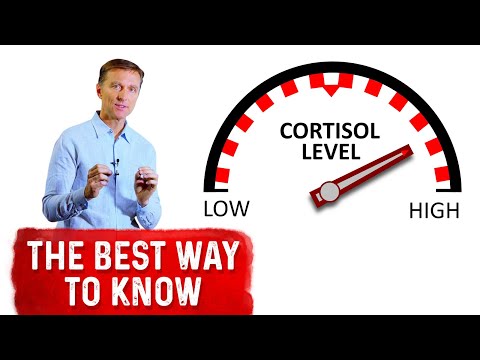
Cortisol is often called the “stress hormone,” but its role in our bodies goes far beyond just responding to stress. Think of cortisol as a helpful assistant that helps regulate your metabolism, immune response, and even your mood. However, when cortisol levels rise too high or remain elevated for prolonged periods, it can lead to a range of health issues.
Imagine your body as a finely tuned machine. Just like an engine needs fuel and maintenance, your body relies on hormones like cortisol to function smoothly. But what happens when that machine starts overheating? You may notice symptoms such as fatigue, weight gain, anxiety, or trouble sleeping. Understanding these signs is the first step toward better health.
High Cortisol Levels: Symptoms, Causes, and Key Insights explores the complex web of factors influencing cortisol in our lives—from chronic stress to lifestyle choices. It aims to shed light on this critical hormone so you can make informed decisions for your well-being.
It’s essential to approach this topic with care and consideration. Information about cortisol levels can vary widely among individuals and sources. Some signs may be subtle or overlap with other health conditions. Always seek insights from qualified specialists and diverse media channels to form a well-rounded understanding—your health deserves it!
The information provided in this article is intended solely for general informational and educational purposes. It does not constitute medical advice, diagnosis or professional treatment, and should not be considered a substitute for consultation with a qualified doctor or other licensed healthcare professional. Any health-related decisions should be made in consultation with accredited medical professionals.
While efforts have been made to ensure the information is accurate and up to date, no guarantees are given—either express or implied—regarding its accuracy, completeness, currency or suitability. Use of this information is at your own discretion.
It is strongly recommended to consult official sources such as the NHS (National Health Service) or other recognised medical institutions before acting on any information contained on this website or article. Under no circumstances should professional medical advice be ignored or delayed due to content read here.
This content is of a general and informational nature only. It is not intended to replace individualised guidance from a healthcare professional or to establish any doctor-patient relationship. The publication of this information does not imply any professional responsibility, guarantee or obligation on the part of the author or this site.
Uncovering the Hidden Triggers Behind Stress and Fatigue
Stress and fatigue can be overwhelming. Understanding their hidden triggers is important for improving your health. One key player in this is cortisol, the body’s main stress hormone.
Cortisol is released during stressful situations. It helps you respond to threats, but when it stays high for too long, it can cause problems. Many people don’t realize they may have high cortisol levels.
What raises cortisol? Several factors contribute:
Recognizing symptoms of high cortisol is essential. They can include:
It’s easy to dismiss these symptoms as part of everyday life. However, listen to your body; ongoing fatigue and stress are signals that something might be off.
So what can you do about it? Try some simple strategies:
Engaging in regular exercise—even a daily walk—can greatly help lower cortisol levels over time.
Cortisol isn’t inherently bad. It’s designed to protect us in dangerous situations. The issue arises when it’s chronically elevated without relief.
Taking control of your lifestyle choices plays a big role in managing stress and fatigue. Remember that change takes time; small steps often yield the best results.
If you find that these strategies don’t help or if symptoms worsen, seeking guidance from a healthcare provider is wise. Understanding the underlying factors contributing to your stress and fatigue allows for better management—and a healthier you!
Exploring the Hidden Impact of Cortisol on Your Health
Cortisol is often labeled the “stress hormone.” It’s produced by your adrenal glands, which sit on top of your kidneys. While it plays a crucial role in your body’s response to stress, its impact goes far beyond just that.
When you face stressful situations, cortisol helps prepare your body. It increases blood sugar levels and supplies energy for a quick response. Think of it like putting gasoline in a car to speed away from danger. But what happens when the tank is always full?
Chronic high levels of cortisol can lead to numerous health issues. You might notice symptoms like weight gain, especially around the abdomen. Mood swings may also become more frequent, leading to anxiety or depression.
High cortisol can affect your sleep too. It might be harder to fall asleep or stay asleep, leaving you feeling tired during the day. This creates a cycle of stress and fatigue that can be tough to break.
These are just a few more effects linked with high cortisol levels. Imagine trying to drive with foggy windows; it’s hard to see where you’re going!
What causes elevated cortisol? Stress is the main culprit, but it can also result from chronic illness or even certain medications. Your body doesn’t distinguish between types of stress—work pressure or personal challenges all count.
It’s important to remember that not all cortisol is bad. In fact, normal levels are essential for many bodily functions! The key lies in balance.
To manage cortisol levels effectively, consider lifestyle changes like regular exercise and mindfulness practices such as yoga or meditation. Even small breaks throughout your day can help keep stress at bay.
Nutrition plays a role too! Eating a balanced diet rich in fruits and vegetables supports overall health and could influence how your body produces hormones.
Finally, if you’re concerned about high cortisol levels or related symptoms, reaching out for professional advice is crucial. Understanding what’s happening in your body is the first step toward making informed health choices! Remember, knowledge leads to empowerment!
Unraveling the Hidden Effects of Stress on Your Brain and Mood
Stress is a normal part of life. It can be caused by work, relationships, or even traffic. However, if stress becomes chronic, it can lead to some serious changes in the body. One key player in this process is a hormone called cortisol.
Cortisol is often referred to as the “stress hormone.” When you’re stressed, your body produces more cortisol. High levels of cortisol can have significant effects on both your brain and mood.
When cortisol levels are elevated for long periods, it can affect how you think and feel. For instance, it might make it harder to concentrate or make decisions. You may also find yourself feeling overwhelmed by simple tasks.
Stress doesn’t only affect your mood but also your ability to regulate emotions. You may find that you react more strongly to situations that wouldn’t usually bother you.
Additionally, high cortisol affects physical health too. It’s linked with issues such as weight gain and heart problems. Imagine your body is trying to escape danger all the time when you’re under stress; it’s not designed for that kind of constant alertness.
So what causes these high levels of cortisol? Stress is an obvious factor, but there are others too:
Managing cortisol involves lifestyle changes. Engaging in regular exercise is beneficial—not only for the body but also for mental well-being.
Practicing mindfulness or deep breathing exercises can help calm the mind and lower stress levels too. Think about how taking a slow walk in nature can bring peace; this helps reduce the burden on your brain and mood.
Always remember though: if you’re feeling persistently stressed or worried about your mental health, it’s important to seek support from trusted resources or professionals who can help guide you through these challenges.
Understanding how stress impacts us empowers us to take steps toward better health, both mentally and physically. Each small change contributes significantly over time!
High cortisol levels can significantly affect our health and well-being. Often referred to as the “stress hormone,” cortisol plays a crucial role in our body’s response to stress. Understanding its symptoms, causes, and implications is essential for making informed health choices.
Symptoms of high cortisol levels can include weight gain, particularly around the abdomen, mood swings, anxiety, fatigue, and sleep disturbances. When we feel stressed, our bodies release more cortisol to help us react quickly. However, chronic stress keeps those levels elevated, leading to various health issues.
Causes of high cortisol levels primarily stem from prolonged stress—either emotional or physical. This could be due to job pressures, financial concerns, or even underlying medical conditions like Cushing’s syndrome. It’s vital to recognize that while short-term increases in cortisol are natural and necessary for survival, constant elevation is not.
Understanding the implications of high cortisol levels encourages us to think critically about how we manage stress. Engaging in regular exercise, practicing mindfulness or meditation, maintaining a balanced diet, and ensuring adequate sleep can help mitigate these effects.
In conclusion, recognizing high cortisol’s symptoms and causes allows us to take proactive steps towards better health. The key takeaway is that managing stress effectively is not just beneficial for mental health but crucial for overall physical well-being too. Always consult a healthcare professional for personalized advice tailored to your situation when navigating these concerns.