Choosing the right health plan can feel like navigating a maze. With so many options out there, it’s crucial to find a plan that fits your personal needs and lifestyle. Two common types of plans are Health Maintenance Organizations (HMOs) and Preferred Provider Organizations (PPOs).
HMOs typically require you to choose a primary care doctor who coordinates your care. This means you generally need referrals to see specialists, but it often comes with lower costs. On the other hand, PPOs offer more flexibility when choosing healthcare providers and don’t usually require referrals, but they may come with higher premiums and out-of-pocket expenses.
Understanding these differences is key to making the best choice for yourself and your family. It’s essential to consider factors such as how often you visit doctors, whether you prefer seeing specialists directly, and your budget constraints.
However, before making any decisions about health plans, be cautious. The intricacies of HMOs and PPOs can be misleading if not thoroughly researched. Talk to different specialists about what they offer, read up on various media sources, and consult with people who have experience with these plans. Empower yourself with information—it’s one of the best tools you have for managing your health!
The information provided in this article is intended solely for general informational and educational purposes. It does not constitute medical advice, diagnosis or professional treatment, and should not be considered a substitute for consultation with a qualified doctor or other licensed healthcare professional. Any health-related decisions should be made in consultation with accredited medical professionals.
While efforts have been made to ensure the information is accurate and up to date, no guarantees are given—either express or implied—regarding its accuracy, completeness, currency or suitability. Use of this information is at your own discretion.
It is strongly recommended to consult official sources such as the NHS (National Health Service) or other recognised medical institutions before acting on any information contained on this website or article. Under no circumstances should professional medical advice be ignored or delayed due to content read here.
This content is of a general and informational nature only. It is not intended to replace individualised guidance from a healthcare professional or to establish any doctor-patient relationship. The publication of this information does not imply any professional responsibility, guarantee or obligation on the part of the author or this site.
Finding the Right Plan for Your Health Needs and Lifestyle
Choosing the right health plan can feel overwhelming. It’s a decision that impacts your access to care and your finances. The two most common types of plans are HMOs (Health Maintenance Organizations) and PPOs (Preferred Provider Organizations). Each has its features, making them suitable for different lifestyles and needs.
HMOs often require you to choose a primary care physician (PCP). This doctor manages your overall health and refers you to specialists when needed. Think of it like having a personal coach who guides you through a game plan.
On the flip side, PPOs offer more flexibility. You don’t have to select a PCP, allowing you to see any doctor or specialist without a referral. Imagine it as having an all-access pass at a concert—you can choose where to go anytime.
When considering which plan fits your needs best, think about how you use healthcare. If you visit doctors regularly or have specific health conditions, an HMO might keep things simple and cost-effective.
If you travel often or like seeing various specialists without delays, a PPO could be worth the extra cost.
Evaluate your budget. Monthly premiums are essential but so are out-of-pocket expenses like copays and deductibles. Make sure you’re clear on these details before deciding.
Also consider convenience factors such as locations of doctors or hospitals in each network. Sometimes driving further may not be worth lower costs if it impacts your ability to get timely care.
Don’t forget about prescription coverage! Some plans offer better drug coverage than others, so check what medications might be included in each network.
Lastly, remember that the best plan is one that fits both your health situation and lifestyle preferences. Take time to compare options thoroughly before making any choices.
Keep asking questions! Understanding your health insurance is key to making informed decisions about your care and well-being.
Unpacking the Appeal and Benefits of PPO Health Plans
When choosing a health plan, understanding your options is key. One popular choice is the PPO, or Preferred Provider Organization plan. Let’s unpack its appeal and benefits.
PPO plans offer flexibility. You can see a variety of healthcare providers without needing a referral. It’s like having more keys to open different doors in a building, instead of just one key that only works for some doors.
Another appealing aspect of PPOs is the network of doctors and hospitals. These plans typically have larger networks compared to other types, like HMOs. This means you may have many more choices for who you can see for care.
Cost is an important factor too. While premiums might be higher than in HMO plans, you may also enjoy lower out-of-pocket costs when using providers within the network. Think of it like buying tickets in advance for a show; you might spend a bit more upfront but save money overall on seats.
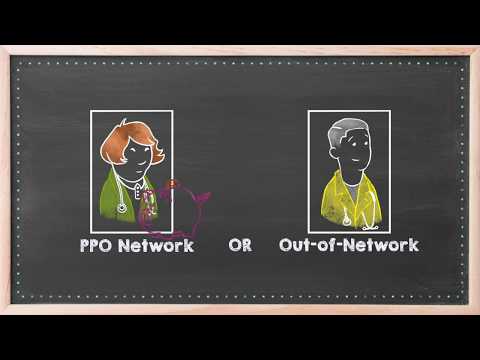
Keep in mind that if you go outside the network, you’ll face higher costs. It’s similar to roaming charges on your phone; staying within the designated area saves you money.
Flexibility, network size, and cost considerations are crucial points with PPO plans:
Reading through these features can help clarify what fits your needs best. Consider your lifestyle and preferences before making a choice.
Finally, remember that every health plan has trade-offs. Assess these options carefully and think about what’s most important to you and your family when selecting between an HMO or PPO plan. It’s all about finding what aligns with your healthcare needs!
Discover the Benefits of Personalized Health Coverage
When it comes to health insurance, having a plan that matches your needs is crucial. Personalized health coverage can make a big difference in how you access and manage your healthcare.
HMO (Health Maintenance Organization) and PPO (Preferred Provider Organization) are two common types of health plans. Each has its own features that may fit different lifestyles.
With an HMO, you typically have to choose a primary care physician (PCP). This doctor manages your care and refers you to specialists if needed. Think of it as having a personal guide through the complex world of healthcare.
On the other hand, PPOs offer more flexibility. You can see any doctor without needing referrals. It’s like having the freedom to explore various paths without needing permission first.
Here are some key points about personalized health coverage:
Before choosing between HMO or PPO, consider your own preferences and lifestyle. Do you prefer lower costs with less flexibility? An HMO might be for you. Or do you value the freedom to choose your providers? Then a PPO could be your best bet.
Another important consideration is whether you’re comfortable with managing referrals or prefer direct access to specialists. Some people like having a PCP coordinate their care, while others want more control over their choices.
Remember that personalizing your health coverage can lead to better satisfaction in managing your healthcare journey. Take time to review the options available in your area.
Lastly, keep in mind that what works for one person might not work for another. Health needs are unique! It’s always wise to evaluate what’s most important for yourself and possibly discuss options with someone knowledgeable when making decisions about health insurance.
Choosing between a Health Maintenance Organization (HMO) and a Preferred Provider Organization (PPO) can feel overwhelming. Both options have their own sets of advantages and considerations. Understanding these differences is key to making an informed decision that aligns with your healthcare needs.
HMO plans typically require members to choose a primary care physician (PCP). This doctor becomes your main contact for health issues. If you need specialized care, you’ll generally need a referral from your PCP. The trade-off is that HMO plans usually have lower premiums and out-of-pocket costs, making them budget-friendly.
On the other hand, PPO plans offer more flexibility in choosing healthcare providers. You can see any doctor or specialist without needing a referral, which is ideal if you prefer more control over your healthcare decisions. However, this flexibility comes with higher premiums and possibly greater out-of-pocket expenses.
Consider factors like frequency of medical visits, preferred providers, and budget when deciding. If you see specialists often or want broader access to doctors, PPO might be the way to go. If you’re looking for lower costs and are comfortable with coordinated care through a PCP, HMO could be better suited for you.
Ultimately, both plans have unique benefits tailored to different lifestyles and healthcare needs. Take time to evaluate what matters most to you in terms of cost and choice before making your decision. Don’t hesitate to ask questions or seek advice; understanding your options will empower you in managing your health effectively.