
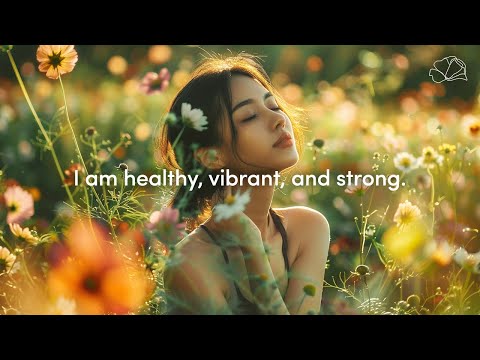
Holistic medicine is like a gentle embrace for your entire being—body, mind, and spirit. Imagine a symphony where each section plays its part beautifully together. In holistic healing, we recognize that our physical health is intertwined with our mental and emotional states. It’s not just about treating symptoms; it’s about nourishing the whole person.
At its core, holistic medicine encourages us to look beyond isolated ailments. It invites us to explore how factors like stress, nutrition, relationships, and even spirituality shape our well-being. Just as we would care for a garden by attending to every plant’s needs—water, sunlight, care—we can nurture ourselves through various practices such as yoga, meditation, acupuncture, and nutrition.
However, it’s essential to approach holistic medicine with an open but critical mind. While many may find relief through these methods, it’s crucial to seek guidance from qualified professionals across diverse fields. Not all approaches work for everyone, and some may even be counterproductive without proper knowledge or supervision.
Be curious! Inform yourself using reputable sources and speak to different specialists who can guide you on your wellness journey. Remember that your health is personal; what works wonders for one person might not be right for another. Educating yourself empowers you to make informed decisions about your well-being!
The information provided in this article is intended solely for general informational and educational purposes. It does not constitute medical advice, diagnosis or professional treatment, and should not be considered a substitute for consultation with a qualified doctor or other licensed healthcare professional. Any health-related decisions should be made in consultation with accredited medical professionals.
While efforts have been made to ensure the information is accurate and up to date, no guarantees are given—either express or implied—regarding its accuracy, completeness, currency or suitability. Use of this information is at your own discretion.
It is strongly recommended to consult official sources such as the NHS (National Health Service) or other recognised medical institutions before acting on any information contained on this website or article. Under no circumstances should professional medical advice be ignored or delayed due to content read here.
This content is of a general and informational nature only. It is not intended to replace individualised guidance from a healthcare professional or to establish any doctor-patient relationship. The publication of this information does not imply any professional responsibility, guarantee or obligation on the part of the author or this site.
Discovering Balance: Nurturing Your Mind, Body, and Spirit for a Fulfilling Life
Finding balance in life is essential for overall well-being. It involves nurturing your mind, body, and spirit. This holistic approach helps create a fulfilling life, allowing you to flourish in many areas.
The mind is an important aspect of our health. Stress can weigh heavily on our mental state. Taking time to practice mindfulness or meditation can help calm the mind. Just like exercising strengthens the body, these practices help strengthen mental resilience.
Physical health is equally important. Our bodies need nourishment from foods rich in vitamins and minerals. Regular exercise is key too; it improves energy levels and keeps the heart healthy. Think of it as tending a garden: watering and weeding keeps plants thriving.
Then there’s the spirit, often overlooked but vital for balance. Engaging in activities that bring joy—like hobbies or spending time with loved ones—nurtures the soul. It’s similar to refilling a gas tank; you can’t keep going without fuel.
Here are some practical ways to achieve balance:
Another key point is rest—don’t underestimate its power! Sleep allows your body and mind to recover and rejuvenate. Lack of sleep can lead to irritability and poor concentration.
Creating balance takes time and effort, much like building a house brick by brick. Start small; choose one area to focus on each week.
Finally, remember that everyone’s journey is different. What works for one might not work for another. Embrace your unique path toward achieving harmony among your mind, body, and spirit.
By incorporating these practices into daily life, you’re taking steps towards a more balanced existence. Each small change contributes cumulatively over time—like drops filling a bucket.
In conclusion, discovering balance means caring for yourself as a whole person: mentally, physically, spiritually. Aim for progress rather than perfection as you nurture yourself along this journey towards fulfillment in life!
A Journey to Wholeness Through Inner Harmony and Self-Discovery
A journey to wholeness often begins with a desire for balance. Holistic medicine embraces the idea that healing involves not just the body, but also the mind and spirit. When these elements align, individuals may find a deeper sense of well-being.
Body, mind, and spirit are like three legs of a stool. If one leg is wobbly, the entire stool becomes unstable. Focusing on all three can help create a more stable life experience.
Self-discovery plays a key role in this process. It encourages us to explore our emotions and thoughts. This exploration can lead to greater self-awareness and understanding of our unique needs.
Meditation is one tool for fostering inner harmony. By spending just a few minutes each day in quiet reflection, we allow ourselves to reconnect with our true selves. This practice can help reduce stress and anxiety.
Another aspect of holistic health is nutrition. What we eat affects our energy levels and mood. Think of food as fuel; nourishing choices can enhance both physical health and mental clarity.
Physical activity also contributes to overall wellness. Exercise releases endorphins, which are chemicals that promote feelings of happiness. Just like watering a plant helps it grow, movement nourishes our bodies.
Connecting with nature is another powerful way to promote inner peace. Whether it’s hiking in the woods or simply sitting in a garden, being outdoors can ground us and bring clarity.
It’s important to remember that each person’s journey is unique. What works for one person might not work for another. Listening to your body and paying attention to your feelings will guide you on your path.
Community support should not be overlooked either. Surrounding yourself with positive people can uplift your spirits and encourage growth on your journey toward wholeness.
In conclusion, embracing holistic medicine means recognizing the interconnectedness of body, mind, and spirit. Engaging in self-discovery through practices like meditation, nutrition, exercise, nature connection, and community support fosters harmony within oneself.
As you travel this path towards wholeness, be gentle with yourself. Healing is not always linear; it’s okay to have ups and downs along the way. The key is persistence and an open heart as you discover what truly resonates with you on this beautiful journey.
Discovering Balance: Embracing Mind, Body, and Spirit for True Wellness
Discovering balance in life is essential for true wellness. We often hear about the importance of taking care of our physical health, but equally important are our mental and spiritual well-being.
Holistic medicine focuses on treating the whole person. Instead of just addressing symptoms, it looks at how the mind, body, and spirit interact. Think of it like a three-legged stool; if one leg is weak, the whole stool can tip over.
Understanding these connections helps us see that neglecting one area can affect others. For example, poor sleep can impair mental clarity and lead to physical fatigue.
It’s also important to debunk some myths around holistic health. Many people think that embracing mind-body-spirit healing means abandoning traditional medicine completely. That’s not true! Holistic practices can complement conventional treatments.
Practices like yoga or mindfulness are gaining popularity because they help reduce stress while improving physical flexibility and strength.
You don’t have to overhaul your life overnight to achieve balance. Start small – perhaps by incorporating five minutes of deep breathing into your day.
Consider finding a community or support group where you feel understood and encouraged. Connection with others plays a crucial role in our sense of belonging.
Above all, be gentle with yourself as you explore different methods for achieving wellness. Everyone’s journey is unique.
True wellness isn’t just about feeling good physically; it’s about nurturing all aspects of yourself: mind, body, and spirit together for long-lasting balance and harmony in life.
Holistic medicine emphasizes the interconnectedness of the body, mind, and spirit in the quest for health and well-being. This approach recognizes that physical ailments often have emotional or spiritual dimensions. By addressing these aspects together, we can create a more comprehensive healing experience.
One key principle of holistic medicine is that individuals are not just a collection of symptoms; they are complex beings shaped by their environments, experiences, and emotions. For example, stress can manifest physically as headaches or digestive issues. Treating only the physical symptoms may provide temporary relief but won’t address the underlying cause.
Holistic practitioners often use a variety of methods to support healing. This might include traditional medical treatments alongside practices such as yoga, meditation, acupuncture, or nutritional counseling. The goal is to foster balance within all parts of a person’s being.
However, it’s essential to approach holistic medicine with an open yet critical mind. Not all alternatives are equally effective or scientifically validated. Always seek evidence-based practices and consult qualified professionals when considering new treatment options.
Ultimately, embracing a holistic perspective can empower individuals to take charge of their health journey. It encourages self-reflection and fosters personal responsibility for well-being while promoting harmony between body, mind, and spirit. Balancing these elements can lead to deeper healing and greater overall wellness.


