Have you ever been enjoying a sunny day outdoors, only to be interrupted by an annoying buzz and an even more annoying bite? Enter the horsefly. These pesky insects are often viewed as nothing more than nuisances, but there’s more to them than meets the eye. Understanding horseflies can help you appreciate their role in our ecosystem while also keeping you protected from their uncomfortable bites.
Horseflies are not just larger versions of houseflies; they have unique behaviors and characteristics that set them apart. They prefer open fields, meadows, and areas with livestock, where they thrive and seek out warm-blooded creatures for their meals. Their bites can be painful due to their specialized mouthparts designed for slicing through skin. But fear not! Gaining knowledge about them is your best defense.
Warning: While this article offers a glimpse into the world of horseflies, it’s essential to gather information from multiple sources—particularly specialists in entomology or pest management. Relying solely on one source may lead to misunderstandings or ineffective solutions. Stay informed through various media outlets and expert opinions to fully comprehend the nature of these insects and how best to manage interactions with them. Your curiosity about nature should always be paired with thoughtful research for the safest experience possible!
The information provided in this article is intended solely for general informational and educational purposes. It does not constitute medical advice, diagnosis or professional treatment, and should not be considered a substitute for consultation with a qualified doctor or other licensed healthcare professional. Any health-related decisions should be made in consultation with accredited medical professionals.
While efforts have been made to ensure the information is accurate and up to date, no guarantees are given—either express or implied—regarding its accuracy, completeness, currency or suitability. Use of this information is at your own discretion.
It is strongly recommended to consult official sources such as the NHS (National Health Service) or other recognised medical institutions before acting on any information contained on this website or article. Under no circumstances should professional medical advice be ignored or delayed due to content read here.
This content is of a general and informational nature only. It is not intended to replace individualised guidance from a healthcare professional or to establish any doctor-patient relationship. The publication of this information does not imply any professional responsibility, guarantee or obligation on the part of the author or this site.
Discover the Surprising Secrets to Keeping Horse Flies Away
Horse flies can be a real nuisance, especially in the summer months. Understanding their behavior and biology can help you keep them away more effectively.
Horse flies are attracted to movement, warmth, and carbon dioxide. They have strong mouths designed for biting, which makes them particularly unpleasant.
To help avoid these pesky bugs, consider these strategies:
Another method is using natural repellents. Certain essential oils like eucalyptus or citronella can deter these pests. However, results may vary.
You might also consider wearing light-colored clothing. Dark colors attract horse flies more than lighter shades do.
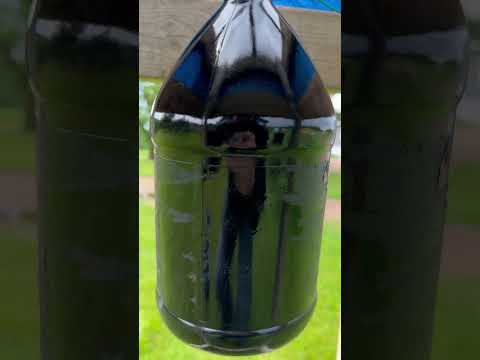
Decoys can be helpful too! Some people use black objects as fake animals since these flies are drawn to large shapes that mimic their prey.
Lastly, staying still in infested areas helps too. Movement attracts horse flies so if you minimize it when outdoors, they might be less drawn to you.
Remember that no method guarantees complete elimination of horse flies. Experiment with a combination of strategies for best results.
Being informed is the first step in managing pest issues more effectively and enjoying your time outdoors!
Unraveling the Mystery of These Relentless Insects
Horseflies can be quite a nuisance, especially during the warmer months. Understanding them can help you navigate their presence more effectively.
First off, what exactly are horseflies? They are large insects belonging to the Tabanidae family. You’ll recognize them by their bulky bodies and larger size compared to regular flies.
Why do horseflies bite? Unlike many other flies, only female horseflies bite. They need blood to develop their eggs. This distinguishes them from males, who feed on nectar and plant juices.
Their bites can be painful and may cause swelling or irritation. Imagine getting pinched really hard; that’s how it can feel! The biting mechanism is similar to a tiny saw that cuts the skin.
Here are some common myths about horseflies:
To avoid horsefly bites, wear long sleeves and use insect repellent when spending time outdoors. Staying in shaded areas during peak hours can also help.
If you get bitten, clean the area well with soap and water. Over-the-counter creams may relieve itching and reduce swelling.
In conclusion, understanding horseflies helps us manage their presence in our lives better. Despite being pesky critters, awareness goes a long way in reducing discomfort during outdoor activities. Stay informed and enjoy your time outside!
Simple Strategies to Enjoy the Outdoors Without Unwanted Pests
Spending time outdoors is a wonderful way to enjoy nature and get some fresh air. However, pests like horseflies can put a damper on that experience. Here are some simple strategies to help you enjoy the great outdoors without unwanted pests.
First, it’s important to understand why horseflies are attracted to certain areas. They tend to thrive near water, wet meadows, or barnyards where animals gather. Being aware of these habitats can help you choose better spots for your outdoor activities.
Dress wisely. Wearing light-colored clothing can make you less appealing to horseflies. Dark colors attract them more since they associate these shades with large animals. Additionally, long sleeves and pants can act as a barrier between your skin and pesky bites.
Use natural repellents. Some essential oils like lavender, eucalyptus, or peppermint may deter horseflies. You can mix these oils with a carrier oil and apply them on your skin before heading out. Just remember that everyone’s skin reacts differently to oils, so do a patch test first.
Avoid strong scents. Certain perfumes or scented lotions can draw in unwanted attention from horseflies. Opt for unscented products when spending time outdoors.
Timing matters. Horseflies are often most active during warm sunny days and especially from mid-morning until late afternoon. If you plan your outdoor activities during cooler parts of the day—like early morning or evening—you might avoid some of their activity.
You might consider using commercial traps designed for horseflies around your picnic area or campsite. These traps lure in horseflies and reduce their numbers nearby.
If you’re hosting an outdoor event, consider using screens or nets around eating areas. This will help keep the flies away while you enjoy your meal outdoors.
Finally, if you find yourself being bitten despite precautions, try not to swat at them—the sudden movement may attract even more flies! Instead, calmly move away from the area if possible.
By implementing these strategies, you can enhance your outdoor experience while minimizing encounters with pests like horseflies. Enjoying nature should be about relaxation and fun; being mindful of potential annoyances lets you focus on what matters most!
Horseflies are often overlooked pests but can significantly impact both livestock and human health. In “Horseflies Unmasked: What You Should Know Now,” it becomes clear that understanding these insects is crucial for effective management.
Key Characteristics: Horseflies are larger than common houseflies and have a distinctive biting behavior. Their bites can be painful, potentially leading to allergic reactions or secondary infections.
Health Risks: Beyond discomfort, horseflies can transmit diseases to animals, such as equine infectious anemia. While they pose less of a risk to humans directly, their bites can lead to severe irritation and other complications.
Prevention Strategies:
This reflection underscores the importance of awareness and proactive measures against horseflies. By educating ourselves on their behavior and impacts, we can better protect our health and the welfare of our animals.