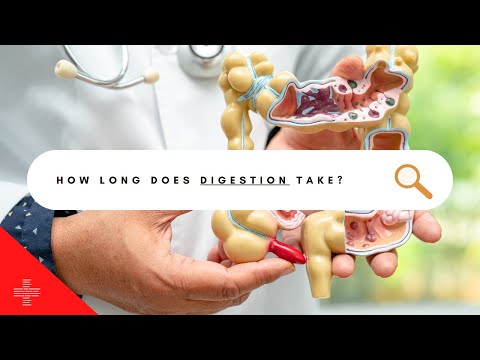
The information provided in this article is intended solely for general informational and educational purposes. It does not constitute medical advice, diagnosis or professional treatment, and should not be considered a substitute for consultation with a qualified doctor or other licensed healthcare professional. Any health-related decisions should be made in consultation with accredited medical professionals.
While efforts have been made to ensure the information is accurate and up to date, no guarantees are given—either express or implied—regarding its accuracy, completeness, currency or suitability. Use of this information is at your own discretion.
It is strongly recommended to consult official sources such as the NHS (National Health Service) or other recognised medical institutions before acting on any information contained on this website or article. Under no circumstances should professional medical advice be ignored or delayed due to content read here.
This content is of a general and informational nature only. It is not intended to replace individualised guidance from a healthcare professional or to establish any doctor-patient relationship. The publication of this information does not imply any professional responsibility, guarantee or obligation on the part of the author or this site.
Ever wondered what’s happening in your stomach after you enjoy a big meal? It might surprise you that the time it takes for your stomach to empty can really vary. You know, we often go about our day, eating this and that, without a thought to the fascinating processes going on inside us.
This article dives into how long it typically takes your stomach to clear out its contents after eating. We’ll explore various factors that influence this time, like what you ate, how much you ate, and even your individual health status. Understanding these things can actually help you make better food choices and manage feelings of fullness or hunger.
It’s relatable—ever felt like you’re still full hours after lunch? Or maybe you’re starving just an hour after dinner? Knowing why this happens matters because it affects your energy levels and cravings. Remember though, while this information is useful, it’s not a substitute for professional medical advice. Always chat with a healthcare provider when making decisions about your health.
Unraveling the Journey of Your Meals from Plate to Toilet
Understanding the Journey of Food
Ever think about what happens to your food after it hits your plate? Well, let’s chop it down into simple bites. Your body goes on quite a journey every time you eat.
The Stomach’s Role
Your stomach is like a mixing bowl. It churns food and combines it with acid and enzymes. This process not only breaks down the food but also get’s it ready for absorption.
Typically, the stomach takes about 2 to 4 hours to empty after eating. But that timeline can vary a lot depending on what you eat.
What Affects Emptying Time?
- Type of Food: Fatty foods generally take longer to digest than carbs or proteins.
- Quantity: The more you eat, the longer it takes for your stomach to process everything.
- Your Health: Certain health conditions can slow things down, like diabetes or gastroparesis.
The Small Intestine
After your stomach does its job, food moves to the small intestine. Here’s where most nutrients are absorbed. This part usually takes another 3 to 5 hours.
The small intestine is about 20 feet long—imagine trying to fit that in your kitchen! It’s also where fat-soluble vitamins and minerals enter your bloodstream. Pretty important, huh?
Your Body’s Rhythm
You know how sometimes you feel full for a long time? That’s because of hormones released during digestion. Ghrelin and leptin play key roles here—ghrelin makes you hungry while leptin signals fullness.
The Final Stretch: The Large Intestine
If the small intestine is like a highway for nutrients, then the large intestine is more like a storage facility. Here, leftover waste gets compacted before it’s finally expelled as stool.
This part can take anywhere from 12 hours to several days! So really… there’s no set timeline; everyone’s body works differently here.
Paying Attention to Your Body
Your journey from plate to toilet isn’t just about timing; it’s also an indication of how effectively your body processes food. If you notice significant changes in digestion speed or patterns, that’s worth discussing with someone who knows better!
If something feels off—like consistent discomfort or drastic changes—it could be helpful talking with a healthcare professional for guidance.
Unraveling the Mystery of Digestion: How Fast Does Your Meal Disappear?
Understanding Digestion
Hey there! Let’s talk about digestion, a fascinating process that happens every time you eat. It might seem straightforward, but it’s actually quite complex. When you eat your meal, your body starts breaking it down into nutrients. This is crucial for energy and health.
The Journey Through Your Body
So, how does this journey happen? Well, after you swallow food, it travels down the esophagus into the stomach. Your stomach acts like a mixing bowl; it churns food and combines it with acids and enzymes to break it down further.
How Long Does It Take?
You might wonder: how long does all this take? Typically, food stays in the stomach for about 2 to 6 hours. But wait—this isn’t the entire picture! The total digestion time can vary depending on several factors.
Factors That Affect Digestion Time
- Type of Food: Heavy meals or fatty foods take longer to digest than lighter options like fruits or vegetables.
- Your Metabolism: Everyone’s body operates at different speeds. Age and physical fitness can influence this rate.
- The Size of the Meal: Larger portions obviously need more time to break down compared to smaller snacks.
- Hydration Levels: Drinking enough water helps your metabolism work efficiently and can speed up digestion.
The Role of the Small Intestine
After leaving the stomach, food enters the small intestine where most nutrient absorption takes place. This part can take around 3 to 5 hours for food to pass through completely. It’s fascinating because your body is literally extracting everything good from what you eat!
A Quick Note About Fiber
If you’re munching on high-fiber foods, like beans or whole grains, those may slow down digestion slightly. Fiber keeps things moving through your digestive tract but also brings bulk that needs time to process—sort of like a traffic jam on a busy road!
The Final Stop: The Large Intestine
The last stop of digestion is in the large intestine (or colon). Here water is absorbed and any leftover waste gets prepared for elimination. This process can take anywhere from 12 hours up to several days depending on individual factors.
Your Unique Digestion Timeline
The bottom line? Everyone’s digestion timeline is unique! Factors such as what you eat and even stress levels affect how fast things go through your system. So while one person feels hungry again after just a few hours, another might still feel full much later.
Coping with Digestive Issues
If you often feel discomfort after eating or have concerns about how long meals seem to linger in your stomach, consider talking to someone who knows about these matters so they can give tailored insight just for you.
Diving into how our bodies digest food reveals just how intricately designed we really are! Being mindful of what we eat—and listening to our bodies—can enhance our understanding of this daily miracle called digestion.
Discover How Long It Takes for Your Favorite Foods to Fuel Your Body
Understanding Digestion Timing
Ever wonder how long it takes for that delicious pizza or salad to fuel your body? It’s a great question! The time your stomach needs to empty after eating can vary based on several factors. Let’s dive into it!
What Happens When You Eat?
When you eat, your food goes down the esophagus into the stomach. Here, it’s mixed with acids and enzymes. This process breaks food down into smaller pieces, making it easier for nutrients to be absorbed later.
Stomach Emptying Time
Your stomach typically takes about 2 to 4 hours to empty after a meal. However, this is just a general rule. What you eat matters. For example:
- If you have a high-fat meal, like fried chicken, it may take longer.
- A light snack like yogurt might empty faster than a big plate of pasta.
Easier Comparisons
Think of your stomach as a blender. If you throw in something thick and heavy, like ice cream, it’ll take longer to blend than if you toss in some water. Foods high in fiber or fat are similar—they require more time for digestion.
How Do Different Foods Affect Digestion?
Certain foods move through the digestive system at different rates:
- Carbohydrates: Foods like bread and rice typically digest quicker, around 1-2 hours.
- Proteins: Meats can take around 4-6 hours to fully digest.
The Role of Other Factors
Your individual health plays a role too! Things like age, metabolism, and overall well-being can affect digestion speed. Stress levels also matter; being anxious may slow down the process!
A Quick Recap on Timing
The ideal timeframe for your body’s fuel loading varies widely based on what you eat and who you are. Between meals or snacks should be guided by how hungry you feel—not solely by time.
The Bottom Line
You know what? Listen to your body! Pay attention to how certain foods make you feel over time—this is the best way to understand when you’re ready for more fuel! It’s all about balance and knowing what works for you personally.
Understanding Stomach Emptying Time
When you eat, your stomach doesn’t just sit there. It works hard to break down the food and get it ready for your intestines. But you might be wondering, how long does this process really take?
On average, it takes about two to six hours for your stomach to empty after a meal. This timing can depend on several factors, which is pretty interesting.
- Type of Food: Foods high in fat can slow down the process. Think of a fatty steak versus a salad.
- Meal Size: Bigger meals take longer to digest than smaller ones. It’s like trying to fit a lot of things in a small bag—it just takes more time.
- Your Health: Conditions like diabetes or gastroparesis (where the stomach doesn’t empty properly) can also affect timing.
The whole thing is regulated by hormones and nerve signals that tell your body when to move things along. It’s fascinating how intricate our bodies are, right?
If you’ve ever felt bloated or full after eating, it’s likely due to this whole process taking its course. Sometimes, digestion is influenced by stress and physical activity too—so don’t forget those factors!
It’s important not to stress over exact times; everyone’s digestion is different based on lifestyle and personal health. Listening to your body is key! Overall, understanding this natural process helps us appreciate what goes on inside us every day.