The information provided in this article is intended solely for general informational and educational purposes. It does not constitute medical advice, diagnosis or professional treatment, and should not be considered a substitute for consultation with a qualified doctor or other licensed healthcare professional. Any health-related decisions should be made in consultation with accredited medical professionals.
While efforts have been made to ensure the information is accurate and up to date, no guarantees are given—either express or implied—regarding its accuracy, completeness, currency or suitability. Use of this information is at your own discretion.
It is strongly recommended to consult official sources such as the NHS (National Health Service) or other recognised medical institutions before acting on any information contained on this website or article. Under no circumstances should professional medical advice be ignored or delayed due to content read here.
This content is of a general and informational nature only. It is not intended to replace individualised guidance from a healthcare professional or to establish any doctor-patient relationship. The publication of this information does not imply any professional responsibility, guarantee or obligation on the part of the author or this site.
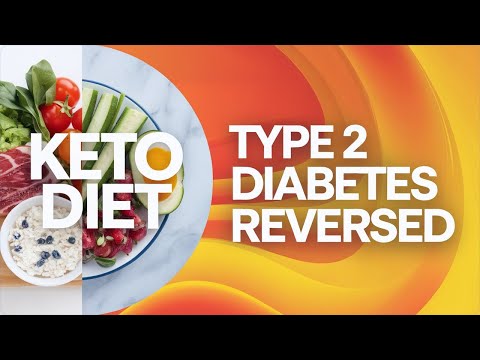
How the Keto Diet Helped My Diabetes Management Journey
Have you ever felt overwhelmed by managing diabetes? You’re not alone. Many people face the daily struggle with blood sugar levels and food choices. It can feel daunting, right?
Here’s an interesting fact: research shows that diet plays a crucial role in diabetes management. Seriously, what we eat can make a huge difference! That’s where the ketogenic diet comes into play.
This article explores my personal journey with the keto diet and how it helped me take control of my diabetes. You’ll learn about the principles of the ketogenic diet, its potential benefits—along with some challenges I faced along the way.
If you’ve been curious about low-carb diets or different ways to manage your blood sugar, this might resonate with you. But remember, while I’m sharing my experiences here, it’s really important to consult with a healthcare professional before making any major changes to your eating habits.
Your health is personal and best managed through informed discussions with experts who understand your unique situation.
Unveiling the Hidden Risks of Ketosis for Those Living with Diabetes
The Keto Diet and Diabetes: What You Need to Know
Hey, so the keto diet has become popular for many people looking to manage their weight or blood sugar levels. But if you have diabetes, it’s important to understand both the benefits and risks involved. Sometimes people jump into it without realizing what might happen.
What is Ketosis?
Ketosis is a metabolic state where your body burns fat for fuel instead of carbohydrates. This happens when you eat very few carbs and a lot of fats. It can help lower blood sugar in some cases, but it also changes many processes in your body.
The Blood Sugar Roller Coaster
Managing blood sugar is crucial for those with diabetes. When you go on a keto diet, your blood sugar can drop significantly. Sometimes too much—leading to hypoglycemia. This means your levels can swing back and forth, making things pretty tricky.
Potential Risks
- Ketoacidosis: This condition occurs when the body produces high levels of ketones—acids that can build up in your bloodstream. It’s more common in type 1 diabetes but can happen in type 2 as well.
- Nutrient Deficiencies: Cutting carbs often means missing out on fruits, whole grains, and veggies that provide essential vitamins and minerals.[/b]
- Increased Cholesterol: For some people on keto, cholesterol levels may rise due to higher fat intake which could raise cardiovascular risks.
Anecdotal Benefits
You might hear stories from folks who say the keto diet helped them manage their diabetes better. They often talk about fewer cravings and steadier energy levels—but individual experiences vary widely!
The Importance of Monitoring
If you’re considering this diet, it’s super important to monitor your blood sugar more closely than usual at first. Frequent checking helps you catch any dangerous swings before they become big problems.
Telling Your Healthcare Provider
You should definitely chat with a healthcare provider before diving into ketosis! They can offer personalized advice based on your health history and current situation—which is so valuable.
Wrapping Up: Informed Choices Matter
This isn’t just about jumping onto the latest trend; it’s about making choices that are informed and safe for you personally. The keto diet may offer some benefits but comes with hidden risks—especially if you have diabetes.
So take your time! Do research, ask questions, and don’t hesitate to seek support from professionals who know the landscape well!
Unlocking Better Blood Sugar Control with the Ketogenic Diet
Understanding the Ketogenic Diet
The ketogenic diet, often called “keto,” is a high-fat, low-carb eating plan. The idea is to shift your body into a state called ketosis. In ketosis, your body burns fat for fuel instead of carbohydrates. This can lead to lower blood sugar levels and may help some people manage diabetes.
Why Blood Sugar Matters
Blood sugar control is crucial for those with diabetes. When your blood sugar levels are too high or too low, it can cause various health problems. Think of blood sugar like gas in a car; if it’s too high or low, the vehicle doesn’t run smoothly.
How Keto Affects Blood Sugar
A ketogenic diet may help stabilize blood sugar levels by reducing insulin spikes after meals. Insulin is a hormone that helps manage glucose in the bloodstream. By eating fewer carbs, there’s less glucose entering your system at once.
Real-Life Example
Let’s say you usually have toast with breakfast. This can cause your blood sugar to rise quickly after eating due to the carbs in bread. Switching to avocado and eggs as a keto option might lead to more stable levels because they contain healthy fats and protein but very few carbs.
The Role of Fats and Proteins
On keto, you’ll consume more healthy fats—like avocados, olive oil, and nuts—and moderate amounts of proteins from sources like fish or chicken. This change benefits many because fats don’t spike blood sugar like carbs do.
Potential Pitfalls
That said, it’s not all smooth sailing. Some people may experience what’s known as the “keto flu.” It can occur when transitioning into ketosis and may include symptoms like fatigue or headaches as your body adapts.
Cautions and Considerations
If you’re considering trying this diet for diabetes management, it’s smart to talk with a healthcare provider first. Everyone’s body reacts differently; there’s not one-size-fits-all solution when it comes to eating plans.
Misinformation Around Keto
A common myth is that ketogenic diets are only about bacon and butter! While those foods can be included, balance is key. Incorporating vegetables—especially leafy greens—is vital for nutrients.
The Bottom Line
Keto could be helpful in managing blood sugar levels for some individuals by lowering carb intake and emphasizing healthy fats and proteins instead. Keeping track of how foods affect one’s own body is essential since everyone has different experiences with this diet type.
Your journey with managing diabetes through dietary changes should be personal—what works for one person might not work as well for another! Taking small steps toward understanding what impacts your health most can go a long way.
Unlocking the Potential: Managing Type 1 Diabetes with a Ketogenic Approach
Understanding Type 1 Diabetes
Type 1 diabetes is a condition where your body doesn’t produce insulin. Insulin is a hormone that helps regulate blood sugar levels. Without it, managing your blood sugar can get tricky. It’s like trying to keep a garden alive without water.
The Ketogenic Diet Basics
The ketogenic diet, or keto for short, is a low-carb, high-fat diet. The main idea here is to switch your body’s fuel source from glucose (sugar) to ketones (fat). When you cut carbs, your body starts breaking down fats into these ketones for energy. It’s like switching from gasoline to electricity for powering your car.
Keto and Blood Sugar Control
Because the keto diet lowers carb intake, many people find their blood sugar levels stabilize better. Think of it this way: fewer carbs mean less sugar in the bloodstream, which can lead to fewer spikes in blood sugar levels. However, it’s crucial to monitor how you feel when adjusting your food choices.
Benefits You Might Experience
- More stable energy throughout the day.
- Potential weight loss if needed.
- A reduced frequency of high blood sugar episodes.
The Importance of Monitoring
If you’re considering a ketogenic approach with type 1 diabetes, it’s essential to keep track of your blood sugar regularly. This helps you understand how different foods impact you personally. Everyone reacts differently—what works for one person might not work for another.
Potential Challenges
Switching to a keto diet isn’t all sunshine and rainbows, though! Some folks experience what’s called “keto flu.” This can happen during the initial phase when your body adapts—symptoms may include headaches and fatigue. It’s temporary but something you should be prepared for.
Carb Counting and Insulin Adjustments
You’ll need to become pretty good at counting carbs since they have the most direct effect on insulin needs. As you lower carb intake, be ready to adjust insulin dosages with healthcare guidance—just like learning how much gas your car needs based on distance traveled!
A Balanced Approach Matters
While a ketogenic diet can show promise in managing type 1 diabetes symptoms for some individuals, balance is key! Not all fats are created equal; aim for healthy fats rather than processed ones like trans fats found in some fried foods or snacks.
Your Health Team Is Important!
- Your healthcare provider can guide dietary changes effectively.
- A registered dietitian might help tailor meal plans just right for you.
The Bottom Line?
A ketogenic approach may help some people manage their type 1 diabetes better by stabilizing blood sugars and improving overall health—but everyone’s journey is unique! Listen to your body and work closely with professionals who understand both diabetes and nutrition.” Remember that any dietary change should be taken seriously—it’s not just about losing weight or trying something new; it’s about maintaining health long-term!
You know, the journey of managing diabetes can be pretty overwhelming at times. There are so many factors to consider—diet, exercise, medication. Honestly, it’s like juggling multiple balls in the air. When I first heard about the keto diet, I was skeptical. A high-fat diet? Isn’t that counterintuitive for someone with blood sugar concerns?
But here’s the thing: keto focuses on reducing carbohydrate intake and replacing it with fat. This shift leads your body into a state called ketosis, where it burns fat for energy instead of sugars. For me, this was a game changer.
As I transitioned into keto, I noticed remarkable changes in my blood sugar levels. Lower carb intake meant fewer spikes and crashes throughout the day. It felt liberating to not have to constantly monitor how every meal would impact my glucose levels.
Real-life examples from others who had similar experiences also encouraged me. Many shared how switching to keto improved their insulin sensitivity—a key factor for those managing diabetes.
However, it wasn’t all smooth sailing. Initially, I experienced what some call the “keto flu,” where you might feel fatigued or irritable as your body adapts to burning fat instead of carbs. But I pushed through and soon discovered an abundance of tasty recipes that fit my new lifestyle.
Overall, while the keto diet may not work for everyone with diabetes—it’s important to remember that each person’s body is different—it gave me tools to manage my condition more effectively. It’s a reminder that exploring different options is essential in finding what truly works best for you.