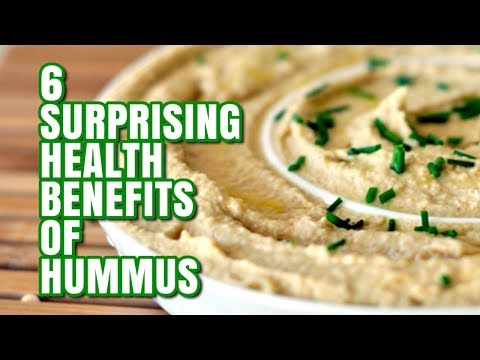
Hummus is more than just a delicious dip; it’s a powerhouse of nutrients wrapped in creamy goodness. Originating from the Middle East, this blend of chickpeas, tahini, olive oil, lemon juice, and garlic has captured taste buds worldwide. But did you know that it’s also packed with health benefits? In this article, we’ll explore eight surprising advantages of incorporating hummus into your diet.
As you dive into these benefits, remember that while hummus is nutritious, it’s essential to enjoy it as part of a balanced diet. Seeking advice from various health specialists can help you understand how it fits into your unique nutritional needs. Not all claims are created equal—be sure to consult multiple sources and trusted media for well-rounded information on nutrition and health. Your body deserves the best!
The information provided in this article is intended solely for general informational and educational purposes. It does not constitute medical advice, diagnosis or professional treatment, and should not be considered a substitute for consultation with a qualified doctor or other licensed healthcare professional. Any health-related decisions should be made in consultation with accredited medical professionals.
While efforts have been made to ensure the information is accurate and up to date, no guarantees are given—either express or implied—regarding its accuracy, completeness, currency or suitability. Use of this information is at your own discretion.
It is strongly recommended to consult official sources such as the NHS (National Health Service) or other recognised medical institutions before acting on any information contained on this website or article. Under no circumstances should professional medical advice be ignored or delayed due to content read here.
This content is of a general and informational nature only. It is not intended to replace individualised guidance from a healthcare professional or to establish any doctor-patient relationship. The publication of this information does not imply any professional responsibility, guarantee or obligation on the part of the author or this site.
Discover the Tastiest and Nutritious Hummus Options for Your Healthy Lifestyle
Hummus is a popular dip that’s not only tasty but also packed with nutrients. It’s made primarily from chickpeas, which are legumes rich in protein and fiber. This makes hummus a great choice for anyone looking to eat healthier.
When you’re choosing hummus, consider the ingredients. Traditional hummus has simple ingredients: chickpeas, tahini, olive oil, lemon juice, and garlic. These components offer healthy fats and essential vitamins.
You can also find flavored hummus options that add variety to your meals. Here are some tasty choices:
These flavors can make eating veggies more enjoyable! Pair hummus with carrots, cucumbers, or whole grain pita for a healthy snack.
Looking at health benefits, hummus is rich in fiber, which supports digestion. Fiber helps keep you full longer too—great if you’re trying to manage appetite.
It’s also high in protein. Protein is essential for building and repairing tissues in your body. Plus, it contributes to muscle health.
Do not forget about the healthy fats. Olive oil in hummus provides monounsaturated fats that are heart-friendly.
Many folks think all spreads are unhealthy due to added sugars or unhealthy fats. But with hummus made from whole food ingredients, you can enjoy guilt-free snacking!
When buying store-bought hummus, check the labels carefully. Some brands might add preservatives or excessive salt. Opt for ones with fewer ingredients whenever possible.
Making your own at home can be even better! You control what goes in it—and it’s simple! Blend cooked chickpeas with tahini and spices; then adjust flavors as desired.
Experimenting with different beans is another fun twist on traditional recipes! Black beans or white beans create unique flavors while maintaining nutritional benefits.
Ultimately, enjoying hummus as part of balanced meals encourages a healthy lifestyle without sacrificing taste. It complements various diets by providing essential nutrients effectively!
Incorporating these delicious options into your routine not only satisfies cravings but enriches your diet with important nutrients—keeping you energized throughout the day!
Unpacking the Myths and Benefits Behind This Popular Dip
Hummus has become a popular dip worldwide, but it’s important to separate fact from fiction. Many people enjoy it without knowing its true health benefits or the myths surrounding it. Let’s delve into what makes hummus so special.
First off, hummus is primarily made from chickpeas. These legumes are rich in protein and fiber. They help keep you full longer and can support digestive health. Think of them as little helpers that make your tummy happy.
One common myth is that hummus is high in fat and unhealthy. While it does contain fats from ingredients like tahini (sesame paste) and olive oil, these are mostly healthy fats. They are similar to the good fats found in avocados or nuts.
Another benefit of hummus is its nutrient profile. It’s packed with vitamins and minerals, including B vitamins, iron, and magnesium. These nutrients play crucial roles in energy production and overall health.
Many worry about calories when enjoying dips like hummus. However, a small serving can be quite satisfying due to its creamy texture and flavor. This means you might not need to eat as much compared to less nutritious options.
Let’s talk about some specific benefits:
Despite these advantages, it’s essential to keep portion sizes in mind. Hummus can be calorie-dense if eaten in large amounts, especially with high-calorie accompaniments like pita chips.
Another myth worth debunking is the idea that all store-bought hummus is created equal. Some brands add preservatives or extra oils that may lower nutritional value. It’s often best to check the ingredient list or try making it at home!
Finally, remember that moderation is key in any healthy diet. While hummus provides many benefits, pairing it with fresh veggies rather than fatty snacks can maximize its positive effects.
In conclusion, enjoy your hummus! Just be aware of what you choose to dip into it and how much you eat at once. With the right approach, this tasty dip can be a delightful addition to your meals!
Exploring the Benefits and Joys of Enjoying Hummus Every Day
Hummus is more than just a tasty dip; it’s a nutritious powerhouse. Made primarily from chickpeas, tahini, olive oil, lemon juice, and garlic, it’s beloved worldwide for its flavor and health benefits. Let’s explore some joys of enjoying hummus every day.
Rich in Nutrients
Chickpeas are packed with essential nutrients. They contain protein, fiber, vitamins, and minerals. This makes hummus not just delicious but also a great addition to your diet for overall health.
Boosts Digestion
The fiber in hummus can help keep your digestive system running smoothly. Think of it like a broom that helps clean out your intestines. Regular fiber intake promotes regularity and can prevent constipation.
Supports Heart Health
The olive oil in hummus is rich in healthy fats. These fats can help reduce bad cholesterol levels and improve heart function. It’s like giving your heart a gentle hug.
Provides Sustained Energy
Combining proteins from chickpeas with healthy fats from olive oil provides steady energy. This makes hummus a great snack before activities or workouts, as it keeps you full longer without that heavy feeling.
Eases Inflammation
Many ingredients in hummus have anti-inflammatory properties. Garlic and olive oil may help reduce inflammation in the body over time – think of them as nature’s soothing agents.
Aids Weight Management
Incorporating hummus into meals can help with weight management because it’s filling yet low in calories compared to many snacks. It’s an easy way to satisfy cravings without overindulging.
Diverse Pairing Options
Hummus is incredibly versatile! You can enjoy it with raw veggies, pita bread, or even spread on sandwiches. This variety keeps meals exciting while adding nutrition to every bite.
Makes Eating Fun!
Let’s not forget the joy of eating! Hummus encourages creativity in the kitchen – try different flavors like roasted red pepper or garlic herb variations to keep things interesting.
Incorporating humous into your daily routine can be both fun and beneficial for you. Just remember that balance is key; enjoy it alongside other wholesome foods for the best results! Always consider personal dietary needs when making changes to your eating habits.
Hummus, a staple in many diets, deserves more attention for its health benefits. This delicious spread is made primarily from chickpeas, tahini, olive oil, garlic, and lemon juice. While many enjoy it as a dip or spread, it’s essential to understand its nutrition-packed profile and the positive impacts it can have on our health.
1. Nutrient Density: Hummus is rich in protein and fiber, which are crucial for muscle repair and digestive health. A serving can provide a good amount of plant-based nutrients that support overall wellness.
2. Heart Health: The ingredients in hummus contribute to heart health. Olive oil is known for its healthy fats that can lower cholesterol levels while chickpeas may reduce blood pressure.
3. Anti-inflammatory Properties: Garlic and olive oil both possess anti-inflammatory effects. Regular consumption may help reduce inflammation in the body, potentially lowering the risk of chronic diseases.
4. Blood Sugar Control: The fiber content helps stabilize blood sugar levels by slowing digestion. This is particularly beneficial for those managing diabetes or seeking sustained energy.
5. Weight Management: Hummus can be a satisfying snack due to its combination of protein and fiber, helping with satiety and possibly aiding in weight control.
6. Bone Health: Chickpeas contain important minerals like calcium and magnesium that play roles in maintaining strong bones.
7. Digestive Health: As a source of dietary fiber, hummus promotes healthy digestion by supporting beneficial gut bacteria.
8. Versatile Use: Hummus is incredibly versatile; it can be used as a dip, dressing, or sandwich spread—making it easy to integrate into various meals.
In summary, incorporating hummus into your diet offers numerous health benefits without sacrificing flavor or enjoyment. Its versatility makes it an excellent choice for anyone looking to improve their nutritional intake while still savoring their meals.