The information provided in this article is intended solely for general informational and educational purposes. It does not constitute medical advice, diagnosis or professional treatment, and should not be considered a substitute for consultation with a qualified doctor or other licensed healthcare professional. Any health-related decisions should be made in consultation with accredited medical professionals.
While efforts have been made to ensure the information is accurate and up to date, no guarantees are given—either express or implied—regarding its accuracy, completeness, currency or suitability. Use of this information is at your own discretion.
It is strongly recommended to consult official sources such as the NHS (National Health Service) or other recognised medical institutions before acting on any information contained on this website or article. Under no circumstances should professional medical advice be ignored or delayed due to content read here.
This content is of a general and informational nature only. It is not intended to replace individualised guidance from a healthcare professional or to establish any doctor-patient relationship. The publication of this information does not imply any professional responsibility, guarantee or obligation on the part of the author or this site.
Have you ever woken up with itchy red bumps on your skin and wondered, “What’s going on?” You’re not alone. Bed bug bites can sneak up on anyone, leaving behind uncomfortable marks that can be alarming.
These tiny critters are masters of disguise. They often hide in the seams of mattresses or behind headboards, waiting for the perfect moment to feast on human blood. But identifying their bites is crucial for your health and peace of mind. That’s why we’re diving into the ins and outs of bed bug bites.
You’ll learn what these bites look like, how they feel, and how to tell them apart from other insect bites or skin conditions. Plus, we’ll discuss some effective ways to deal with a bed bug issue if you find yourself facing one.
Remember, though: this information isn’t a substitute for professional medical advice. It’s always best to chat with a healthcare expert about any concerns you have regarding your health!
Intimate Insights into the Unseen Impact of Bed Bug Bites
Understanding Bed Bug Bites
Hey there! So, bed bug bites can be a real pain—literally. These little critters, often found in beds or furniture, bite to feed on human blood. This can lead to some itchy and uncomfortable reactions.
How to Identify Bed Bug Bites
First off, bed bug bites usually look like small red welts. They often appear in clusters or a straight line on your skin. You might notice them within a few hours after being bitten. Sometimes people don’t even realize they’ve been bitten until days later.
The first sign that something’s up might just be the itching. It’s really similar to mosquito bites but can happen anywhere on your body. Some people react strongly while others barely notice it.
Why Do They Itch?
The itching comes from your body’s response, you know? When the bed bug bites you, it injects saliva that contains proteins which help them digest blood and prevent clotting. Your immune system reacts to these proteins, causing the itchiness and inflammation.
Are Bed Bugs Dangerous?
A lot of folks wonder if bed bugs are dangerous beyond the annoyance of bites. Luckily, they don’t transmit diseases like other pests such as mosquitoes or ticks do. However, scratching the bites can lead to infections—so it’s best not to scratch too much!
Common Misconceptions
You might’ve heard that bed bugs are always associated with dirty environments, but that’s not completely true! They can hitch a ride on luggage or clothing from seemingly clean places too.
- No need for panic when you think you’ve got bed bugs. Look for signs like tiny blood spots on sheets or dark stains which are their droppings.
- If you suspect an infestation: Check your mattress seams and wood furniture carefully; these guys love hiding there!
- Cleansing fabrics: Washing bedding at high temperatures can help get rid of them; heat is their nemesis!
Treatment Options
If you do get bitten, some over-the-counter creams or antihistamines may help with the itching and swelling. Applying cold packs can also provide relief—it’s like giving your skin a little TLC!
When to Seek Help
If you’re seeing signs of infection around the bites—like increased redness or pus—it might be time to talk with someone who knows more about this stuff than I do.
Taking Action Against Bed Bugs
The key is prevention and awareness. Regularly inspect sleeping areas when traveling or even at home if you notice any unusual symptoms.
The thing is: being informed helps reduce anxiety about these pests! Just remember that while they’re annoying and itchy, they’re not something that will cause serious health issues for most people.
Visual Guide to Identifying and Understanding Bed Bug Bites
Identifying Bed Bug Bites: What You Need to Know for Health
Bed bug bites can be a real nuisance. They often appear as small, red bumps on your skin. You might notice them after sleeping in a place where these pests are hiding.
So, what do these bites look like? Typically, they’re flat or raised and may itch. Sometimes they resemble mosquito bites but usually have a more clustered appearance, like little lines of dots.
How Do You Know It’s a Bed Bug Bite?
A key sign is timing. Bed bugs tend to bite at night when you’re sleeping. If you wake up with new bites but your roommates or family don’t have any, that could be a clue.
In addition, the bite marks usually develop into itchy welts within a day or two. They can last about one to two weeks before fading. If you’re noticing lots of them in similar patterns—like some in straight lines—that’s another indicator.
Where Do These Pesky Bugs Hide?
Look, bed bugs are sneaky! They often hide in places like mattresses, box springs, headboards, and even behind wallpaper or picture frames. Sometimes you might find dark spots on your bedding or mattress; those could be bed bug droppings.
If you suspect bed bugs are the cause of your bites, do some detective work around your sleeping area.
Treating the Bites
If you do find yourself bitten by these critters, treatment mainly focuses on itching relief. Over-the-counter creams that contain hydrocortisone can help reduce itching and swelling. Oral antihistamines may also help if the itching is bothersome.
Avoid scratching to prevent infection because open wounds can become infected easily!
Myths About Bed Bugs
- Myth: Bed bugs spread diseases.
- Reality: Fortunately, there isn’t strong evidence linking bed bug bites to serious diseases.
- Myth: Only dirty places have bed bugs.
- Reality: Bed bugs don’t care about cleanliness; they just need blood and a hiding spot!
The Bottom Line
If you think you’ve been bitten by bed bugs, keep calm and check your surroundings. Identifying the issue early can help you get rid of them before they become an even bigger problem.
Your home doesn’t need to turn into a battle zone with these little pests! Knowing what to look for is half the game—just stay alert and take care of those bites right away!
Unraveling the Mystery Behind Mysterious Bites and Hidden Pests
Identifying Bed Bug Bites: What You Need to Know for Health
Hey there! If you’ve ever woken up with itchy, red bumps on your skin, you might be wondering what’s going on. Bed bug bites can be confusing. These tiny pests are sneaky and often leave us scratching our heads—literally!
What Are Bed Bugs?
Bed bugs are small insects that feed on blood. They’re about the size of an apple seed and hide in places like mattresses, box springs, and even behind wallpaper. Can you believe they can go months without eating? That’s why they’re so hard to get rid of!
How Do You Recognize Bed Bug Bites?
So, how do you know if those bumps are from bed bugs? Well, their bites usually appear in clusters or lines on your skin. They can be red and swollen, similar to mosquito bites. Sometimes they itch a lot, sometimes not at all.
If you notice these signs after a night’s rest, it might be more than just a coincidence.
What Do Bites Look Like?
You know how with some insect bites, there’s one bump? With bed bugs, it often looks like more than one. It could be two or three in a row or even patches if a bunch of bugs decided to party on your arm!
Where Do You Get Bitten?
The most common areas for bites are exposed skin—the arms, legs, necks and sometimes the face. Think about where you sleep; if these areas are uncovered at night while the pests come out to feast.
Do Bed Bugs Carry Diseases?
This is an important question! While bed bugs can cause itching and discomfort from their bites, they’re not known to transmit diseases like some other insects do—like ticks or mosquitoes. That’s a bit comforting!
What Should You Do Next?
If you suspect bed bug bites or find signs of them (tiny dark spots might indicate droppings), it’s time for action! Start by washing the affected area gently with soap and water to reduce irritation.
You could also try over-the-counter creams for itching but consult someone who knows about this stuff for sure before applying anything new.
If I See Bugs…
If you’re seeing actual bugs crawling around—uh oh! It’s best to contact pest control professionals who understand these critters well. They have methods that aren’t harmful but effective too.
Mysteries Behind Other Hidden Pests
Sometimes those itchy marks aren’t from bedbugs at all! Fleas and mites can mimic similar symptoms too. If you’ve got pets or spend time outside frequently—those might be suspects as well.
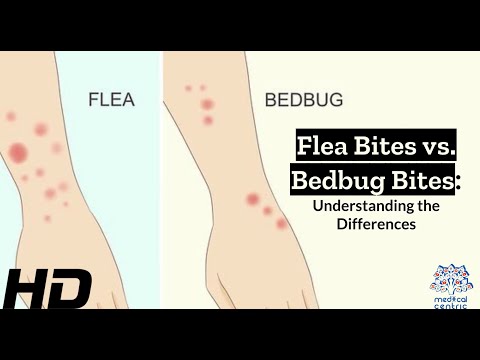
A good clue? Flea bites often cluster around ankles instead of arms like bedbug bites do!
Your Health Matters
Catching bedbugs early is key since dealing with an infestation later isn’t fun at all! Being aware helps keep your space comfortable and minimizes stress levels.
The thing is; being mindful about where you sleep—even checking hotels when traveling—can save headaches later.
- If unsure about bite origins: track symptoms over time
- Nobody likes feeling itchy; don’t ignore potential signs
- Your home should feel safe—not like something out of a horror movie!
The mystery around bed bug bites might seem daunting at first glance but knowing what to look out for empowers people just like us! So keep an eye open folks; health comes first!
Identifying Bed Bug Bites: What You Need to Know for Health
Bed bug bites can be a nuisance, but understanding them is key to maintaining health and peace of mind. These tiny pests are nocturnal, feeding on human blood which can lead to itchy welts on the skin. The thing is, not everyone reacts the same way.
Typically, bed bug bites appear as small red bumps that can be quite itchy. They often show up in clusters or a straight line, usually where skin is exposed during sleep. It’s pretty easy to confuse them with other insect bites or skin conditions, so careful observation is important.
Some individuals may experience no reaction at all, while others might have allergic reactions leading to swelling or blisters. If you notice such symptoms after waking up in an infested area—perhaps a hotel or even your home—it’s wise to take action.
To identify these bites properly, keep track of when and where they occur. Make sure you inspect bedding and furniture for signs of bed bugs themselves—like tiny dark spots which are their droppings. This can help confirm if you’re dealing with bed bugs specifically.
If you’re unsure about your symptoms lasting longer than a few days or worsening over time, consulting a healthcare provider might be beneficial. While bed bugs don’t transmit diseases like some other insects do, excessive scratching can lead to secondary infections.
Prevention plays an essential role too! Regularly washing bedding in hot water and inspecting any secondhand furniture before bringing it home can go a long way in reducing your risk of infestation.
In essence, being informed makes all the difference when it comes to recognizing and dealing with bed bug bites effectively. You want peace of mind while sleeping soundly through the night!