The information provided in this article is intended solely for general informational and educational purposes. It does not constitute medical advice, diagnosis or professional treatment, and should not be considered a substitute for consultation with a qualified doctor or other licensed healthcare professional. Any health-related decisions should be made in consultation with accredited medical professionals.
While efforts have been made to ensure the information is accurate and up to date, no guarantees are given—either express or implied—regarding its accuracy, completeness, currency or suitability. Use of this information is at your own discretion.
It is strongly recommended to consult official sources such as the NHS (National Health Service) or other recognised medical institutions before acting on any information contained on this website or article. Under no circumstances should professional medical advice be ignored or delayed due to content read here.
This content is of a general and informational nature only. It is not intended to replace individualised guidance from a healthcare professional or to establish any doctor-patient relationship. The publication of this information does not imply any professional responsibility, guarantee or obligation on the part of the author or this site.
Ever looked at a mole on your skin and wondered, “Is this normal?” You’re not alone. Many people have moles, but not everyone knows when to be concerned. It’s actually pretty common for folks to mix up harmless moles with something more serious like skin cancer.
Did you know that skin cancer is one of the most common types of cancer in the world? That might sound alarming, but here’s the thing: early detection greatly increases your chances of successful treatment. So understanding what to look for in your moles is crucial.
This article aims to help you identify differences between regular moles and potential signs of skin cancer. We’ll break down some important characteristics, offer tips on monitoring changes in your skin, and explain why those little spots matter more than you’d think.
Remember though, this isn’t a substitute for medical advice. If you notice any changes or have concerns about your skin health, it’s always best to consult with a healthcare professional who can provide personalized guidance.
Understanding the Key Differences for Better Skin Health
Understanding Moles and Skin Cancer
Skin health is super important, right? One of the key topics here is knowing the difference between moles and skin cancer. It’s like having a roadmap for your skin. Moles are those small, often brown spots that pop up on your skin. They’re usually harmless.
Now, let’s think about moles as little stickers on your body. Most people have them—they’re pretty common! But if a mole starts changing in size, shape, or color, that could be a warning sign. You wouldn’t want to ignore it.
What is Skin Cancer?
Skin cancer happens when skin cells grow uncontrollably. This can happen due to sun exposure or other risks like genetics. The most common types of skin cancer are basal cell carcinoma, squamous cell carcinoma, and melanoma.
Melanoma is the one you hear about often because it’s more aggressive. If you think of a mole as a peaceful neighbor, melanoma can be like an intruder that’s trying to take over your space.
Identifying Warning Signs
- A: Asymmetry: If one half of the mole doesn’t match the other half, it’s worth checking out.
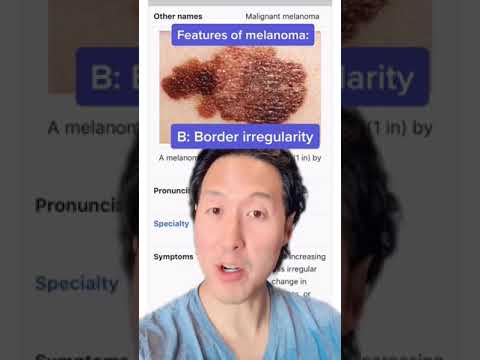
- B: Borders: Look for edges that are ragged or irregular.
- C: Color: Moles with multiple colors could signal something’s off.
- D: Diameter: If it’s larger than a pencil eraser (about 6 mm), take note.
- E: Evolving: Any changes in size or color should prompt attention.
This ABCDE rule helps spot potential problems early on. Think of these signs as tiny alarms going off—it’s better to investigate than to ignore them.
The Importance of Regular Checks
You might wonder how often you should check your skin. Honestly? Regular self-checks every month are great! Just look at your body from head to toe. Use mirrors if you have trouble seeing certain areas.
If you spot anything unusual or if something seems off about a mole—like it hurts or bleeds—it’s time to see someone who knows their stuff! Early detection makes a huge difference in outcomes when it comes to skin cancer.
The Role of Sun Protection
Sunscreen isn’t just for beach days; it’s crucial every day! Wearing SPF protects against UV rays which can cause damage leading to skin cancer over time.
A good rule? Use broad-spectrum sunscreen with at least SPF 30 whenever you’re outside—even on cloudy days!
Coping with Worries About Skin Changes
If you’re anxious about changes in your skin or moles, talk it out with someone close—friends or family can help ease concerns! And remember that medical professionals can provide clarity and support too.
This whole process boils down to being proactive about skin health while not letting worries consume you unnecessarily. It’s all about awareness and understanding what might be normal versus what needs attention!
Recognizing the Signs Before It’s Too Late
Skin cancer is something many people worry about, and rightfully so. It can be scary to think about, but knowing what to look for can make a big difference. Understanding moles and their potential dangers is key.
What is a Mole?
Moles are usually harmless growths on your skin. They come in different shapes and colors—most are brown or black. Think of them like little beauty marks! Most people have them, and they often change over time.
When Should You Be Concerned?
Here’s the thing: not all moles are the same. Some can change in shape or color, which might be a warning sign. So how do you recognize when it might be more than just a mole? One handy way to remember is the ABCDE rule:
- A: Asymmetry – If you drawing a line through it, does one half look different from the other?
- B: Border – Is the edge smooth or uneven? Jagged edges aren’t typically good news.
- C: Color – Is it all one color? Moles with multiple colors can raise flags.
- D: Diameter – Bigger than a pencil eraser? It’s time to check in with someone.
- E: Evolving – Has it changed in size, shape or color recently? Change is something to take seriously.
Real-Life Example
Imagine you spot a mole on your arm that’s been there for years—perfectly round and brown. Then, one day, you notice it’s growing rapidly and becoming bumpy with some shades of blue and black mixed in. This could be alarming.
Mole vs Skin Cancer
The tricky part is that not every change means cancer; many moles are still just that—moles! But keeping an eye out helps catch problems early.
The Importance of Regular Skin Checks
It’s smart to check your skin regularly, sort of like how we check our cars before long trips. Regular self-exams help you notice any changes sooner rather than later.
When Should You See Someone?
If you’re ever unsure about a mole’s appearance or if anything seems off, don’t hesitate to reach out for help. Professionals have tools and expertise that can offer clarity on those uncertainties.
A Common Myth Debunked
You might hear that skin cancer only affects fair-skinned people—that’s not true! Anyone can develop skin cancer regardless of skin tone. It’s essential for everyone to stay vigilant about their skin health.
The bottom line here is awareness. By knowing what to look for—with some basic understanding—you increase your chances of catching unwanted changes early on!
Unveiling the Truth: How Visual Cues Reveal the Secrets of Moles
Understanding Moles and Skin Cancer
Hey, let’s talk about moles. We all have them, right? Most of the time, they’re just harmless little specks on our skin. But sometimes they can signal something more serious, like skin cancer. So how do you tell the difference?
What Are Moles?
Moles are small growths on your skin that happen when skin cells called melanocytes grow in clusters. These are the cells responsible for producing melanin, which is what gives us our skin color. You might have noticed moles appearing during childhood or adolescence; that’s pretty normal.
When to Pay Attention
Most moles look pretty similar: small, round, brown or black spots. But some changes can indicate a problem. It’s wise to keep an eye on any mole that starts to change size, color, or shape. For instance, if a mole turns irregular and has jagged edges—or gets bigger fast—it could be a cause for concern.
The ABCDE Rule
This is a helpful way to remember what’s important when looking at moles:
- A: Asymmetry – If you draw a line through the middle of the mole and it doesn’t mirror itself.
- B: Border – Look for edges that are uneven or scalloped.
- C: Color – A mix of different colors in one mole can be alarming.
- D: Diameter – A mole larger than 6mm (about the size of a pencil eraser) should get attention.
- E: Evolving – Any changes in size, shape, color over time are worth checking out.
The Importance of Visual Cues
You might wonder why these visual cues matter so much? Well, recognizing patterns is key to identifying potential issues early on. Imagine your body as a canvas; any odd brush strokes could hint something needs fixing!
Other Signs of Skin Cancer
Moles aren’t the only indicators; other warning signs include itchy patches or sores that won’t heal. Sometimes you may notice red or tender areas where no injury has occurred before—that’s another red flag.
The Role of Sun Exposure
A lot of folks know that too much sun exposure raises your risk for skin cancer. Even if you don’t burn easily doesn’t mean you’re off the hook! Sunscreen should be part of your daily routine—we’re talking every day!
If You Notice Changes
If you see something unusual with one of your moles or get worried about any changes in your skin—don’t hesitate! Go have it checked out by someone who knows their stuff in dermatology.
Mole Myths vs Facts
A common myth is that all moles need removal if there’s ever doubt. Not true! Many stay benign throughout life. What’s crucial is distinguishing between those ordinary ones versus potentially dangerous ones.
In short: stay observant and proactive but don’t panic unnecessarily!
Your Responsibility
The bottom line is being aware and informed about what you’re seeing on your own skin isn’t just smart—it’s essential! Remember those ABCDE rules next time you’re looking at your own reflection!
Identifying Moles vs. Skin Cancer: What You Need to Know
When it comes to the skin, understanding the difference between moles and potential skin cancer is crucial. Moles, also called nevi, are quite common and often harmless. They can vary in color and size, appearing anywhere on the body.
However, not all moles are created equal. Certain characteristics can indicate that a mole might be cancerous. The ABCDE rule is a handy way to remember what to look for:
- Asymmetry: If you draw a line through the mole, does one half look different from the other?
- Border: Is the edge irregular or jagged?
- Color: Are there multiple colors present, or is one color changing?
- Diameter: Is it larger than a pencil eraser?
- Evolving: Has it changed in size, shape, or color recently?
If you notice any of these signs, it’s important to see a healthcare professional promptly. Early detection can make a significant difference in treatment outcomes for skin cancer.
In everyday life, many people ignore changes in their skin—thinking they’re just part of aging or normal variations. But being proactive about skin changes helps catch potential issues early on.
The more you know about your own body and its signals, the better prepared you’ll be to act if something seems off. Just remember that any concerns should always be discussed with a healthcare provider who can provide personalized guidance.