Have you ever heard of a niacin flush? It’s one of those health phenomena that piques curiosity. Imagine feeling a warm wave spreading across your skin, possibly with a subtle tingle, after taking a vitamin or supplement. This sensation, often associated with niacin (also known as vitamin B3), can leave many wondering: is it harmless or potentially harmful?
A niacin flush happens when the blood vessels expand after ingesting niacin. This can lead to redness, itching, or a burning feeling on your skin. While it’s usually harmless and sometimes even a sign that the supplement is working, understanding its effects on your body is essential.
However, while many people experience niacin flushing without serious issues, it’s crucial to ask: Is a niacin flush dangerous for your health? The answer isn’t straightforward. In some cases, excessive doses can lead to complications like liver damage or gastrointestinal distress. Therefore, it’s vital to approach any supplement cautiously.
Before diving into the world of supplements and their effects, take time to inform yourself through reliable sources. Consult different specialists and explore various media outlets. Your health decisions should be informed by diverse perspectives and credible information rather than hype or popular trends. Understanding what you put in your body is key to staying healthy!
The information provided in this article is intended solely for general informational and educational purposes. It does not constitute medical advice, diagnosis or professional treatment, and should not be considered a substitute for consultation with a qualified doctor or other licensed healthcare professional. Any health-related decisions should be made in consultation with accredited medical professionals.
While efforts have been made to ensure the information is accurate and up to date, no guarantees are given—either express or implied—regarding its accuracy, completeness, currency or suitability. Use of this information is at your own discretion.
It is strongly recommended to consult official sources such as the NHS (National Health Service) or other recognised medical institutions before acting on any information contained on this website or article. Under no circumstances should professional medical advice be ignored or delayed due to content read here.
This content is of a general and informational nature only. It is not intended to replace individualised guidance from a healthcare professional or to establish any doctor-patient relationship. The publication of this information does not imply any professional responsibility, guarantee or obligation on the part of the author or this site.
Unraveling the Myths and Realities Behind Niacin Flushing Effects
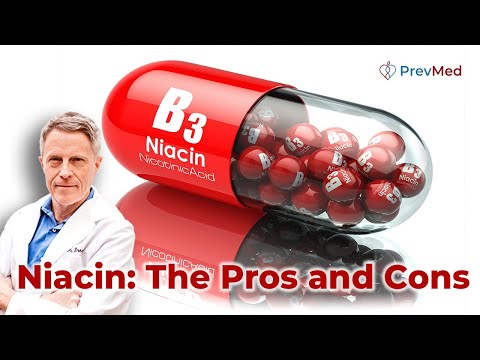
Niacin, also known as vitamin B3, plays an important role in our body. It’s found in foods like meat, fish, and whole grains. While it can help with cholesterol levels and improve overall heart health, it can also cause a flushing effect.
When people talk about a “niacin flush,” they usually refer to a warming feeling and redness in the skin. This happens because niacin causes blood vessels to expand. Imagine turning on the heat in your home during winter—just like that warm feeling spreads through your body.
Many people wonder if this flush is dangerous. The good news is that for most individuals, it’s not harmful. However, it can be unpleasant. Some might experience itching or tingling along with the redness.
Some myths suggest that flushing means an overdose or serious health risk. This isn’t true for most people. Flushing is more of an indication that the niacin dosage is higher than what your body is used to.
Certain individuals may have more severe reactions to niacin supplementation, especially those with liver issues or specific skin conditions. It’s always smart to discuss any supplements with a healthcare provider before starting them.
Flushing can also depend on several factors such as age, gender, and whether you’re taking other medications. Each person’s body reacts differently.
If you find niacin flush uncomfortable but want its benefits, consider slow-release forms of niacin. These release slowly into the bloodstream and may reduce flushing.
In summary, while a niacin flush can feel intense and surprising, it’s generally not dangerous for healthy individuals. Understand your body, listen to how it responds, and stay informed about what you’re putting into it. Always make sure you’re making the best choices for your health!
Exploring the Risks and Lesser-Known Facts Behind Niacin Use
Niacin, also known as vitamin B3, plays a crucial role in our body. It helps convert food into energy and supports proper functioning of the digestive system, skin, and nerves. However, it’s important to understand both its benefits and the risks associated with its use.
Many people use niacin supplements to help lower cholesterol levels. While some studies suggest it may be helpful for certain individuals, it’s not a one-size-fits-all solution. Not everyone should take niacin supplements.
A common side effect of taking niacin is what’s known as a “niacin flush.” This occurs when blood vessels dilate due to increased circulation. You might experience redness on your skin, particularly on the face and neck. It can feel warm or tingly.
Most of the time, a niacin flush is not dangerous and usually goes away after about 30 minutes. But if you are experiencing this for the first time or have underlying health conditions like liver disease or gastric ulcers, it’s wise to discuss this with someone knowledgeable.
Some lesser-known facts include:
The potential risks shouldn’t be overlooked either. High doses of niacin over time can lead to more serious issues like liver problems or glucose intolerance. It’s crucial to find out what dosage is appropriate for you.
If you think about taking niacin supplements, start by talking with someone who understands your health background. Consider natural sources of niacin too—foods like chicken, fish, peanuts, and whole grains are excellent options.
Always approach health decisions mindfully and critically; don’t rely solely on trends or popular advice without doing thorough research first. Understanding both benefits and risks empowers you to make informed choices for your health journey.
Exploring the Risks and Benefits of Niacin for Your Health
Niacin, also known as vitamin B3, plays a crucial role in the body. It helps convert food into energy and supports various cellular functions. However, like many nutrients, it comes with both benefits and risks.
One common effect of niacin is the “niacin flush.” This happens when blood vessels widen, leading to a warm sensation, redness, or itching on the skin. It can feel uncomfortable but is generally harmless. Many people experience this after taking higher doses of niacin.
It’s important to know that while niacin can help manage cholesterol levels and support heart health, not everyone needs it. Excessive amounts can lead to side effects like nausea or liver damage in severe cases.
Here are some key points about niacin:
Niacin is often found in foods like meat, fish, eggs, and green vegetables. A balanced diet typically provides enough niacin without the need for supplements.
If you’re considering taking niacin supplements for health reasons, it’s vital to consult with someone who understands your individual health situation. Listen to your body—if you experience any unusual symptoms after taking it, reassess your use.
In summary, while niacin has potential health benefits, it’s essential to approach its use thoughtfully. Understanding both the risks and benefits helps make informed decisions about your health journey.
Niacin, also known as vitamin B3, has gained attention for its potential benefits in managing cholesterol levels. However, one common side effect associated with high doses of niacin is the “niacin flush.” This phenomenon causes a temporary reddening of the skin, often accompanied by warmth and itching.
While the flush itself is not dangerous, it can be uncomfortable. Understanding this can help individuals manage their expectations and experiences when taking niacin supplements. The flush occurs as blood vessels dilate due to an increase in prostaglandin levels—compounds that promote inflammation and circulation.
It’s crucial to distinguish between flushing and serious side effects that can arise from excessive niacin intake, such as liver damage or gastrointestinal issues. Consuming high doses without medical supervision is not advisable. Consulting a healthcare provider before starting any supplement is essential to tailor the approach based on individual health needs.
In summary, while a niacin flush is generally harmless, awareness and responsible usage are key to ensuring safety and effectiveness when considering niacin for health purposes.