The information provided in this article is intended solely for general informational and educational purposes. It does not constitute medical advice, diagnosis or professional treatment, and should not be considered a substitute for consultation with a qualified doctor or other licensed healthcare professional. Any health-related decisions should be made in consultation with accredited medical professionals.
While efforts have been made to ensure the information is accurate and up to date, no guarantees are given—either express or implied—regarding its accuracy, completeness, currency or suitability. Use of this information is at your own discretion.
It is strongly recommended to consult official sources such as the NHS (National Health Service) or other recognised medical institutions before acting on any information contained on this website or article. Under no circumstances should professional medical advice be ignored or delayed due to content read here.
This content is of a general and informational nature only. It is not intended to replace individualised guidance from a healthcare professional or to establish any doctor-patient relationship. The publication of this information does not imply any professional responsibility, guarantee or obligation on the part of the author or this site.
Have you ever found yourself munching on ice? You’re not alone. Many people snack on those crunchy little cubes, often without a second thought. But is it actually safe? Is there a downside to this frosty habit?
Well, there’s more to it than just the satisfying crunch. Eating ice can seem pretty harmless, but there are potential risks and benefits worth exploring. You might be curious: does it help with hydration? Or could it lead to dental woes?
This article digs into both sides of the ice-eating debate. We’ll break things down so you can understand why some people enjoy this habit and what health issues might arise from it.
Your well-being is important, and knowledge is power. However, remember that this content doesn’t replace professional medical advice. Always consult with a healthcare professional for questions about your health decisions.
Discover the surprising effects of daily ice consumption on your health and well-being.
The Impact of Daily Ice Consumption
Many people enjoy crunching on ice. It’s a refreshing habit, especially in hot weather. But have you thought about how this might impact your health? Let’s break it down.
What is Ice Eating?
Eating ice, also known as pagophagia, is often linked to a condition called pica. Pica involves cravings for non-food items, like dirt or chalk. But wait—people eat ice for other reasons too! Some enjoy the texture or the sensation it brings.
Are There Any Benefits?
- Hydration: Consuming ice can help with hydration. You’re still getting water, just in a crunchy form.
- Soothe Sore Throats: People sometimes find relief by sucking on ice when they have a sore throat. It can feel soothing and reduce swelling temporarily.
The Risks of Chewing Ice
Despite some benefits, there are risks involved with daily ice consumption. This includes:
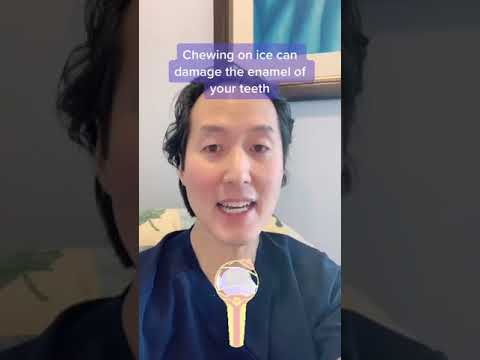
- Dental Damage: Chewing hard ice can crack or chip your teeth over time. Imagine your teeth like glass—they’re strong but not indestructible!
- Mouth Injuries: Sharp pieces of ice can cause cuts in your mouth or gums.
A Possible Sign of Nutritional Deficiency
If you’re eating lots of ice, it could signal an underlying issue. Sometimes cravings for non-food items indicate nutrient deficiencies—like iron or zinc—so it’s smart to think about what you’re missing in your diet.
Mental Connection
Ice consumption may also be psychological. If you’re feeling stressed, chewing on something can provide comfort and distraction. Just like some people bite their nails when anxious.
A Balanced Approach
If you love eating ice, moderation is key here. Too much can lead to dental problems or other health issues down the road. Think about mixing it up with healthier snacks instead!
In the end, enjoying some crunchy ice now and then isn’t likely to harm you drastically—but maybe keep an eye on how much you’re munching! And remember: if any cravings concern you, talking to someone knowledgeable might be helpful.
Unveiling the Surprising Effects of Ice on Your Digestive System
What Happens When You Eat Ice?
So, let’s get straight to it: eating ice isn’t just a quirky habit. It can actually have various effects on your digestive system. When you munch on ice, your body responds in interesting ways.
Cooling the System
The first thing to note is that chewing ice cools down your mouth and throat. This might feel refreshing, especially on hot days. However, if you constantly eat ice, it can affect how your stomach processes food.
Stimulating Digestion
Your body uses heat to digest food effectively. Consuming cold substances like ice might slow down digestion temporarily. Imagine trying to make a warm soup colder—it just doesn’t work that well! Your digestive enzymes prefer a warmer environment.
Mouth Health Considerations
There’s also the impact on your teeth and gums. Chewing hard pieces of ice can lead to cracks in teeth or damage dental work like fillings. Ouch! If you’re prone to tooth sensitivity or other dental issues, this could be an added risk.
Potential Risks of Ice Consumption
- Dental Damage: As mentioned earlier, biting into hard ice can chip teeth.
- Cramps: Eating lots of cold things may lead to stomach cramps for some people.
- Pica: Craving ice more than normal may signal an issue called pica; this is when someone eats non-food items heavily.
The Benefits?
You might wonder if there are any advantages to eating ice. Well, some folks find that chewing ice helps with hydration goals—especially for those who don’t enjoy drinking water much. It can also offer temporary relief from nausea or dry mouth.
A Closer Look at Pica
Pica is a condition where people crave non-food items like dirt or chalk—yep, really odd stuff! If someone finds themselves munching on lots of ice frequently and they can’t stop it might be worth checking in with a healthcare professional for guidance.
Coping Strategies
If you’re worried about hurting your teeth but still love the crunch of ice, consider blending it into drinks instead! Or try flavored water—which tastes nice and keeps you hydrated without the risks. Listening to what your body needs is key here.
Final Thoughts on Eating Ice
The bottom line is: enjoying some ice every now and then isn’t generally harmful for most people—but moderation is crucial! Be mindful if it’s becoming a go-to snack, as overdoing it could lead to problems down the line.
Chilling Consequences: What Happens When You Chew on Ice Cubes?
Chewing ice cubes might seem harmless, but there’s a bit more to it. Lots of people enjoy the crunch, especially on a hot day. But is it really okay? Let’s dive in!
What Are the Risks?
First off, chewing ice can be tough on your teeth. The hard surface can cause cracks or chips, leading to dental problems down the line. Think of your teeth like little rocks—if you pound them with something hard, they can break.
Another issue is sensitivity. If you already have sensitive teeth, eating ice might make things worse. You could feel pain or discomfort as cold hits those nerves.
Ineffective Hydration
You might not believe this, but chewing ice doesn’t actually hydrate you well. Sure, it’s water in a fun form! But the body doesn’t get much benefit when it’s frozen solid.
Pica: An Interesting Connection
Pica is when someone craves non-food items like ice. Sometimes it’s linked to iron deficiency or nutritional deficiencies more broadly. If you find yourself regularly wanting to chew on ice, it could be worth a chat with a healthcare provider to explore possible causes.
The Benefits? Really?
While some enjoy chewing ice for its crunch and coolness, there aren’t significant benefits compared to drinking regular water! Some people say that it helps them focus or curb cravings—but these effects are mostly subjective.
If you’re looking for alternatives, consider chilled fruits or veggies that can offer hydration without those risks.
A Common Habit
You know how some folks have strange habits? Ice chewing is one of them! It’s not super rare; many people do it as a nervous habit or simply because they like the texture.
The Bottom Line
Chewing on ice isn’t ideal for everyone and carries some risks for dental health and hydration needs; however, if it’s just an occasional treat and you’re careful about your teeth, perhaps it’s not such a big deal for you personally.
If you’ve got concerns about your habits with ice—or anything else—it never hurts to reach out for advice from someone who understands health better than most!
Eating ice might seem harmless or even refreshing, especially on a hot day. But is it really? Let’s break down the risks and benefits of this habit.
Potential Risks
One concern is dental health. Ice can be hard. Chewing on it may lead to cracked teeth or damage fillings. This is particularly true for people who are prone to dental issues.
Another issue is digestive discomfort. Some individuals might experience stomach cramps after consuming cold substances like ice, as the body reacts to the sudden drop in temperature.
Benefits and Reasons People Eat Ice
On the flip side, some people enjoy eating ice due to its crunchy texture and cooling effect. For those living in hot climates, it’s a simple pleasure that can offer comfort.
A more clinical perspective suggests that some individuals crave ice because of a condition called pica. Basically, pica is when someone eats non-food items, which could indicate an iron deficiency or other nutritional concerns.
Conclusion
The bottom line? Moderation is key. If you’re simply enjoying ice occasionally and don’t have underlying health concerns, it’s generally fine. However, if you’re eating large quantities or experiencing negative symptoms afterwards talk to a healthcare professional to rule out any issues.