
The information provided in this article is intended solely for general informational and educational purposes. It does not constitute medical advice, diagnosis or professional treatment, and should not be considered a substitute for consultation with a qualified doctor or other licensed healthcare professional. Any health-related decisions should be made in consultation with accredited medical professionals.
While efforts have been made to ensure the information is accurate and up to date, no guarantees are given—either express or implied—regarding its accuracy, completeness, currency or suitability. Use of this information is at your own discretion.
It is strongly recommended to consult official sources such as the NHS (National Health Service) or other recognised medical institutions before acting on any information contained on this website or article. Under no circumstances should professional medical advice be ignored or delayed due to content read here.
This content is of a general and informational nature only. It is not intended to replace individualised guidance from a healthcare professional or to establish any doctor-patient relationship. The publication of this information does not imply any professional responsibility, guarantee or obligation on the part of the author or this site.
Have you ever felt a strange tingle on your skin, wondering if it was just a random itch or something more? It might surprise you to know that many people experience mild symptoms of shingles without even realizing it. Shingles, caused by the varicella-zoster virus (the same one that causes chickenpox), can manifest in surprising ways.
This article dives into the possibility of mild shingles symptoms and what they might look like. You might think of shingles as only causing painful rashes, but that’s not always the case. Sometimes, those early signs can be subtle—maybe just fatigue or a light sensitivity in one area of your body.
Understanding these symptoms is important because early recognition can make a difference in managing the condition. Not everyone experiences it severely; some folks brush it off as nothing significant. But knowing what to look for could help you—or someone you know—get the right care sooner.
Keep in mind that this content doesn’t replace medical advice. It’s always smart to consult with a healthcare professional for any health concerns or decisions.
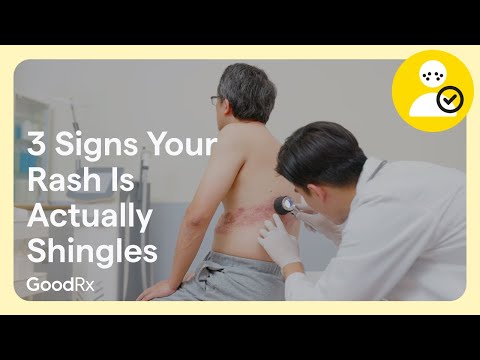
A Visual Guide to Understanding Mild Shingles Rashes
Hey, let’s talk about shingles. You may have heard about it mainly as a painful rash, right? But what if I told you that it can also be mild? Yeah, mild shingles symptoms are totally possible.
What is Shingles?
Shingles happens when the varicella-zoster virus, which causes chickenpox, gets reactivated in your body. After you recover from chickenpox, this virus doesn’t just disappear; it hangs out in your nerve cells and can come back later.
Can You Have Mild Symptoms?
The answer is yes! Sometimes shingles doesn’t hit you as hard as it could. Instead of intense pain and large blisters, you might just notice some red patches or small blisters that don’t bother you too much.
Recognizing Mild Rashes
- Patches of redness: These might look like any other skin irritation.
- A few small blisters: They could appear but not always be very painful.
- Mild itching: You may feel a slight itch rather than discomfort.
This kind of mild rash can make it tricky to identify shingles since many people think it has to be severe. Honestly, most folks might not even think anything of it at first.
Mild Symptoms Compared to Severe Ones
If you compare mild symptoms to severe ones, you’ll see some pretty stark differences. Severe shingles usually involves more pain and larger rashes that cover more area on the body. With mild cases, it’s often localized and not as bothersome. That being said if you’re unsure whether what you’re experiencing is shingles, reaching out for advice is never a bad move.
Treatment Options
If symptoms are indeed mild, treatment often focuses on easing discomfort—think over-the-counter remedies like antihistamines for itching or topical treatments for the rash itself. In certain instances, antiviral medications may still come into play but are typically reserved for those with stronger symptoms or risk factors.
When to Seek Help
If your rash doesn’t improve or if you’re feeling off in other ways—like fever or extreme fatigue—it’s best to chat with a healthcare professional. Remember that complications can happen even in seemingly mild cases.
Conclusion
Mild shingles rashes are indeed possible and can resemble other skin issues. Keeping an eye on your symptoms while knowing when to ask for help is important!
Fast-Track Your Recovery and Find Relief from Painful Outbreaks
Understanding Shingles: Mild Symptoms and Recovery
Shingles is a condition that most of us have heard of, but we might not know a lot about it. Basically, it’s caused by the varicella-zoster virus—the same one that gives you chickenpox. After you recover from chickenpox, this virus can lie dormant in your body. Later in life, it can reactivate and cause shingles.
Now, many people think that if they get shingles, the symptoms will be super intense. The truth? It’s possible to experience mild symptoms. Some folks might just feel slight pain or itching without the full-blown rash we often associate with shingles.
What Do Mild Symptoms Look Like?
Mild shingles symptoms can include:
- A small patch of redness on the skin
- Minor itching or tingling sensation
- A little sensitivity or tenderness in a localized area
This contrasts sharply with the common experience of sharp pain followed by a painful rash. So yes, mild symptoms are quite real and can often be overlooked.
The Importance of Early Recognition
If someone experiences these milder signs, it’s still important to pay attention. Many people might write off these feelings as just stress or aging discomfort. Recognizing them early may help speed up recovery time.
Fast-Tracking Recovery
You may wonder if there’re ways to alleviate these symptoms and recover faster? Well, some strategies focus on soothing discomfort and supporting your immune system.
Rest and Hydration
Getting enough rest is key because your body needs energy to heal itself. Staying hydrated also helps keep your body functioning well—think about how you feel better after drinking water when you’re under the weather.
Pain Relief Options
If you have mild pain or discomfort, over-the-counter medications like ibuprofen or acetaminophen might offer some relief. But remember: everyone’s different! What works for one person may not work for another.
Coping Mechanisms
A cool compress applied to the affected area can soothe irritation as well! It’s like putting on a band-aid for those pesky feelings—just be careful not too overdo it!
Myths about Shingles Recovery
There are some myths floating around regarding shingles recovery. One common belief is that once you’ve had chickenpox, you’re immune forever; that’s simply not true! The virus can reactivate at any time.
Anouther misconception is that only seniors get shingles; however, younger individuals who’ve had chickenpox are also at risk—even those under stress or experiencing immuno-compromised conditions.
Final Thoughts on Mild Shingles Symptoms
Mild symptoms of shingles do exist and recognizing them allows for faster intervention and relief from discomfort. While it’s essential to stay aware of how our bodies feel at all times, being open-minded towards what mild cases may look like helps demystify this issue overall.
If anything feels off or concerning—seek advice from a healthcare provider who knows your unique situation better than anyone else!
A Visual Guide to Healthy Shingle Roofs
Shingles are a serious topic when it comes to health, but not the kind of shingles you might be thinking of. We’re talking about the condition known as herpes zoster, which is caused by the varicella-zoster virus—the same virus that causes chickenpox. Let’s dig into it.
Can You Experience Mild Symptoms?
Honestly, yes! It’s absolutely possible for some people to have mild shingles symptoms. The classic symptoms include a painful rash, usually on one side of the body, but some folks might just experience mild discomfort or even itchiness without much pain at all.
Think of shingles like a rowdy neighbor who occasionally throws loud parties. Sometimes the noise is unbearable; other times it’s just a soft thumping in the background.
What Are Mild Symptoms?
- Localized itching: You might notice an area on your skin that feels itchy but isn’t very painful.
- Mild burning sensation: Instead of sharp pain, some people feel just a slight burning feeling in one spot.
- Slight rash: Instead of extensive blisters, there could be minimal red spots that don’t expand much.
If you think you’re experiencing these milder forms of shingles symptoms, don’t panic. It doesn’t mean you’re immune to more severe issues later on! It’s like having a warning light come on in your car—better pay attention!
The Importance of Monitoring Symptoms
You know how ignoring small issues can lead to bigger problems? Same goes for shingles. Even if symptoms are mild initially, they deserve attention. Sometimes they can evolve into more intense pain and complications if left unchecked.
This doesn’t mean rushing to an emergency room at the first sign of slight discomfort. Instead, keeping track and noting if things change can be really helpful for your healthcare provider later on if needed.
Misinformation About Shingles
A common myth is that only older adults get shingles or that it’s always excruciatingly painful. Not true! Folks under 50 can develop it too and their experiences may vary widely from severe to mild symptoms.
You could say it’s like baking a cake: sometimes you end up with something rich and decadent; other times it’s just flat and unsweetened. Both outcomes are valid experiences!
Conclusion
The key takeaway here is: yes, mild shingles symptoms can happen and shouldn’t be dismissed outright. Just like any health issue really—keeping an eye on your body is always wise!
Many people associate shingles with intense pain, rash, and discomfort, but it’s not uncommon to wonder about the possibility of mild symptoms. The thing is, shingles is caused by the reactivation of the varicella-zoster virus, which also causes chickenpox.
Typically, a person may experience a burning sensation or localized pain before any visible rash appears. Some might notice just slight tingling or itching in the affected area. These early symptoms can be pretty subtle and might easily be brushed off as something else.
Interestingly, not everyone will experience the typical severe manifestations. Some individuals might indeed have what could be described as mild shingles symptoms. This could involve minor discomfort or just a small patch of rash that doesn’t seem too bothersome.
The underlying reason for these milder cases isn’t fully understood but can relate to factors like age, immune system strength, and individual pain tolerance levels. For instance, younger individuals with a robust immune system may fare better than older adults.
If someone suspects they have shingles—even if it feels mild—it’s important to consult with a healthcare professional for advice. Even mild cases can have complications like postherpetic neuralgia (pain that lingers after the rash heals), which can be quite troublesome.
So yes, experiencing mild shingles symptoms is indeed possible; however, recognizing and addressing them early on can lead to better outcomes. Plus, vaccination against shingles significantly reduces the likelihood of developing this condition in both its severe and mild forms.


