The information provided in this article is intended solely for general informational and educational purposes. It does not constitute medical advice, diagnosis or professional treatment, and should not be considered a substitute for consultation with a qualified doctor or other licensed healthcare professional. Any health-related decisions should be made in consultation with accredited medical professionals.
While efforts have been made to ensure the information is accurate and up to date, no guarantees are given—either express or implied—regarding its accuracy, completeness, currency or suitability. Use of this information is at your own discretion.
It is strongly recommended to consult official sources such as the NHS (National Health Service) or other recognised medical institutions before acting on any information contained on this website or article. Under no circumstances should professional medical advice be ignored or delayed due to content read here.
This content is of a general and informational nature only. It is not intended to replace individualised guidance from a healthcare professional or to establish any doctor-patient relationship. The publication of this information does not imply any professional responsibility, guarantee or obligation on the part of the author or this site.
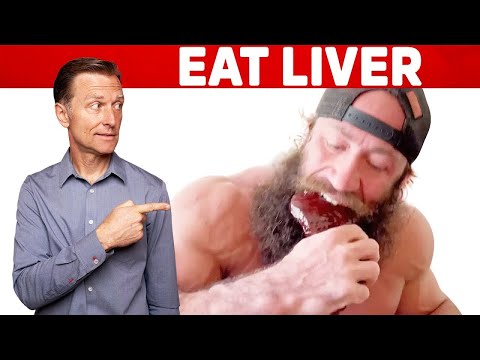
Have you ever thought about what goes into your body? You might be surprised to learn that liver, often seen as a taboo food, is considered a powerhouse of nutrients. Seriously, this organ meat is packed with vitamins and minerals that many of us are lacking. But is eating liver really beneficial for your health?
In this article, we’ll dive into the benefits and potential downsides of consuming liver. You’ll discover why some health enthusiasts swear by it, while others urge caution. It’s not just about what’s trendy; it’s about understanding what works for you.
You know, the idea of eating organ meat can spark mixed feelings—excitement for the benefits or hesitation because of texture and taste. We want to make sure you’re informed, so you can make decisions that align with your health goals.
This content doesn’t replace professional medical advice. Always consult your healthcare provider before making significant changes to your diet or lifestyle. Your health is personal, and it matters!
Discover the Hidden Benefits and Surprising Drawbacks of Adding Liver to Your Diet
Understanding Liver Consumption
Liver is often hailed as a superfood, but what does that really mean? Look, it’s packed with nutrients. It’s loaded with vitamins A, B12, iron, and folate. For folks looking to boost their nutrient intake, liver can be a great addition.
Benefits of Eating Liver
- Nutrient Density: You get a lot of bang for your buck in terms of nutrition. Just a small portion can cover your daily needs for several vitamins and minerals.
- B Vitamin Boost: Particularly B12. This vitamin is crucial for energy production and brain health. Many people don’t get enough from their diet alone.
- Iron Levels: Liver contains heme iron, which is easier for the body to absorb compared to plant-based sources like spinach or beans.
Surprising Drawbacks
- Vitamin A Toxicity: Here’s the catch—too much vitamin A can lead to toxicity. That’s why moderation is key when including liver in your diet.
- Cholesterol Content: Liver is high in cholesterol. For some people, this might be a concern if they have existing heart issues or other risk factors.
- Pesticide Residue: Animals store toxins in their liver. Depending on how the animal was raised or fed, there could be some risks involved with consuming it regularly.
How Much Should You Eat?
You don’t need to eat liver every day to reap its benefits. In fact, once or twice a week could be enough for most people. Think of it as a nutrient-dense treat rather than a staple.
A Real-Life Example
An example might help: consider someone who decides to include liver pâté in their diet occasionally. They enjoy the taste while also benefiting from added nutrients without overdoing it on portion sizes.
Cultural Perspectives
Culturally speaking, many cuisines around the world embrace organ meats like liver as delicacies! In countries like France and Nigeria, it’s ingrained into traditional dishes—not just because they’re nutritious but also delicious when prepared right!
The Bottom Line
Liver can definitely have health benefits thanks to its rich nutrient profile; however moderation is absolutely important due to potential drawbacks like excessive vitamin A intake and cholesterol concerns. Always consider your individual health circumstances—what works wonders for one person may not suit another!
Unlocking the Secrets of Liver: A Surprising Ally in Your Weight Loss Journey
Understanding the Liver
The liver is an incredible organ. It’s located in your abdomen, right under the ribs on the right side. Think of it as your body’s multi-tasker. It plays a role in metabolism, detoxification, and even storing nutrients.
Liver’s Nutrient Profile
When we talk about consuming liver, we’re often referring to animal liver—like beef or chicken. This organ meat is packed with vitamins and minerals. For example, it’s rich in vitamin A, which supports vision and immune function.
It’s also loaded with B vitamins, such as B12, crucial for energy levels and brain health. Plus, it contains iron—an important mineral for transporting oxygen in your blood. Imagine having a small power pack of nutrients all in one bite!
Weight Loss Benefits?
Liver can be a valuable part of a weight loss journey because of its high nutrient density. Nutrient-dense foods are those that offer a lot of vitamins and minerals without a high calorie count.
Eating liver may help you feel full longer due to its protein content, which can reduce cravings and snacking between meals. But hey, balance is key! Just because something is healthy doesn’t mean you should overdo it.
Potential Risks
While there are benefits to consuming liver, there are some things to consider too. The liver stores certain toxins and excess vitamins like vitamin A; this means eating too much might lead to toxicity or other health concerns.
If you have conditions like gout or certain types of kidney issues, it’s best to consult with someone who knows your health history before diving into liver regularly.
How to Incorporate Liver Into Your Diet
- You could try making chicken liver pâté—it’s tasty on whole-grain crackers!
- Add sautéed beef liver slices for an iron boost in salads.
- Pies made with liver might not sound appealing at first but can be delicious if done right.
Conclusion: A Healthy Choice?
The thing is: consuming liver can offer some excellent nutritional benefits while being an enjoyable addition to meals when eaten moderately. People often overlook it because of its strong flavor or texture. But when prepared properly? It could become a staple rather than just something your grandma used to make!
If you’re curious about adding this nutritious food into your diet or making changes for weight management goals, chatting with someone knowledgeable can give you tailored advice that suits your lifestyle.
Uncovering the Hidden Downsides of a Nutritional Powerhouse
Is Liver Consumption Beneficial for Your Health?
When talking about nutrient-rich foods, liver often comes up. It’s packed with vitamins and minerals, making it a nutritional powerhouse. But there are hidden downsides that you might want to consider before diving in.
The Nutritional Benefits
Liver is incredibly high in certain nutrients. For instance, it’s chock-full of vitamin A, iron, and B vitamins. Just one small serving can cover your daily needs for these important nutrients. It’s like a little treasure trove of goodness!
But hey, too much of a good thing isn’t always great. Consuming liver regularly can lead to excess vitamin A intake because the body stores it. This could cause health issues over time.
Potential Risks
Now let’s talk about one big concern: toxins. The liver is an organ that filters toxins from the blood. While it doesn’t store them like fat does, some people worry about the possible accumulation of toxins in the liver tissue.
This brings us to another point: sourcing. Not all livers are created equal! Liver from animals raised in poor conditions might have higher levels of harmful substances. Picking organic or grass-fed options can help reduce this risk.
Iron Overload
If you’re someone who eats red meat or takes iron supplements, adding liver into your diet might not be the best idea for you. Too much iron can lead to a condition called hemochromatosis, which affects how your body processes iron and can cause serious health problems.
You know what’s also interesting? Some people experience allergic reactions or sensitivity to organ meats like liver and may not even realize it until they consume it regularly.
A Balance is Important
The bottom line here? Liver can absolutely be part of a healthy diet but moderation is key! You don’t need to eat it every week; even once a month offers benefits without overdoing it on certain nutrients.
Cultural Perspective
In many cultures around the world, eating liver is traditional and often celebrated as a delicacy. That said, whether or not you choose to include it in your diet should depend on personal preferences and individual health circumstances.
No matter what you decide about liver consumption, it’s always wise to pay attention to how your body reacts after eating different foods—including liver!
The topic of liver consumption often stirs up quite a bit of discussion. On one hand, liver is packed with essential nutrients. On the other, concerns about toxins and dietary balance often come into play.
Liver is a powerhouse of vitamins and minerals. For instance, it’s rich in Vitamin A, iron, and B vitamins like B12 and folate. These nutrients can be particularly beneficial for people who may have deficiencies or specific health goals, like improving energy levels.
However, liver also has its downsides. It can accumulate toxins from the body since it acts as a filter. Consuming too much liver might lead to toxic buildup of substances like Vitamin A which can be harmful in large amounts.
Portion control is key here. Eating liver once or twice a week is generally considered safe and beneficial for most people. It’s about balance—integrating it into an otherwise varied diet can help you reap its benefits without overdoing it.
Look at individual dietary needs too; some folks might need to avoid organ meats due to specific health conditions like gout or certain allergies. Listening to your body and consulting with nutritionists can guide you way better than following trends blindly.
Ultimately, while liver can be part of a nutritious diet, understanding how much to consume and why makes all the difference in reaping its potential health benefits.