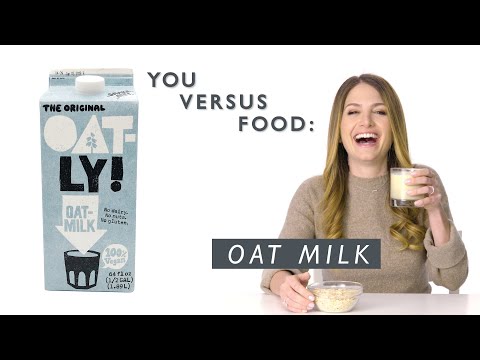
Oat milk has gained popularity as a dairy alternative in recent years. It’s creamy, versatile, and often seen as a healthier option. But is it the right choice for you? Let’s explore the benefits and considerations.
When you think of milk, your mind probably jumps to cow’s milk. Oat milk, made from oats and water, is like a friendly neighbor offering a different flavor to your daily routine. It’s great in coffee, smoothies, or just by itself. Many appreciate its nutritional profile, boasting fiber and vitamins while being free from lactose.
However, it’s important to understand that oat milk isn’t suitable for everyone. It may contain added sugars or be fortified with various nutrients that might not align with your dietary needs. Plus, those with gluten sensitivities should choose certified gluten-free options if that’s a concern.
Before making changes to your diet or switching to oat milk full-time, take time to inform yourself. Consult with different specialists like dietitians or nutritionists and review various media sources. Everyone’s body is unique; what works for one person may not work for another. Stay curious and make the choice that best fits your health journey!
The information provided in this article is intended solely for general informational and educational purposes. It does not constitute medical advice, diagnosis or professional treatment, and should not be considered a substitute for consultation with a qualified doctor or other licensed healthcare professional. Any health-related decisions should be made in consultation with accredited medical professionals.
While efforts have been made to ensure the information is accurate and up to date, no guarantees are given—either express or implied—regarding its accuracy, completeness, currency or suitability. Use of this information is at your own discretion.
It is strongly recommended to consult official sources such as the NHS (National Health Service) or other recognised medical institutions before acting on any information contained on this website or article. Under no circumstances should professional medical advice be ignored or delayed due to content read here.
This content is of a general and informational nature only. It is not intended to replace individualised guidance from a healthcare professional or to establish any doctor-patient relationship. The publication of this information does not imply any professional responsibility, guarantee or obligation on the part of the author or this site.
Unpacking the Health Benefits and Drawbacks of Oat Milk
Oat milk has gained popularity, especially among those looking for dairy alternatives. It’s a plant-based option that many find appealing for various reasons. However, it’s important to look at both the pros and cons before making it a staple in your diet.
First, let’s talk about the benefits of oat milk.
1. Lactose-free: Oat milk is naturally free from lactose. This makes it a great choice for those who are lactose intolerant or allergic to cow’s milk.
2. Rich in Fiber: Oat milk contains beta-glucans, a type of soluble fiber that can help lower cholesterol levels. Think of fiber as a broom sweeping through your digestive system.
3. Good for the Environment: Compared to dairy production, growing oats has a smaller carbon footprint. Choosing oat milk can be seen as an eco-friendly action.
4. Versatile Flavor: Many find oat milk to have a creamy texture and pleasant taste, making it easy to use in coffee, cereals, or smoothies.
Now let’s cover some drawbacks of oat milk:
1. Added Sugars: Many brands add sugars and flavors to enhance taste. Always check labels; too much added sugar can be unhealthy.
2. Lower Protein Content: Oat milk typically has less protein than cow’s milk or soy milk. If you rely on it for protein intake, consider other sources too.
3. Gluten Concerns: Though oats are naturally gluten-free, cross-contamination can occur during processing if they’re made in facilities that also handle gluten-containing grains.
4. Caloric Content: Some versions of oat milk may have higher calories compared to other non-dairy options like almond or coconut milks.
In conclusion, oat milk comes with its share of benefits and drawbacks just like any food choice does. It’s essential to look closely at product labels and choose high-quality brands when considering this alternative.
Think about your dietary needs and preferences when deciding if oat milk is right for you!
Exploring the Hidden Drawbacks of Your Favorite Plant-Based Alternative
More people are turning to plant-based alternatives like oat milk. It’s creamy, versatile, and often seen as a healthier choice. But before you stock up on those cartons, let’s explore some hidden drawbacks of this popular milk substitute.
First, consider the nutritional content. Oat milk is not as rich in protein as cow’s milk or soy milk. This could be a concern if you’re relying on it for muscle repair or overall nutrition. Many brands add vitamins and minerals to make it more appealing, but they might not fully replace natural nutrients.
Next is the glycemic index. Oat milk can have a higher glycemic index than other plant milks like almond or coconut. This means it might raise your blood sugar levels more quickly. If you have diabetes or watch your sugar intake, it’s important to read labels carefully.
Another aspect is calories. Some oat milks can be calorie-dense due to added sugars and oils. This can lead to unintended weight gain if consumed in large amounts without proper attention to overall diet.
Also, think about environmental impact. While oats generally require less water than almonds, they still need resources for growth. Therefore, even plant-based products have an environmental footprint that varies by brand and farming practices.
Don’t forget about allergies. Although rare, some individuals may be allergic to oats or gluten (if processed incorrectly). Always check packaging if you have sensitivities or allergies.
Lastly, there’s the issue of processing. Many commercial oat milks go through various steps that can strip them of beneficial fibers and nutrients found in whole oats. Homemade versions might retain these benefits better but require time and effort.
In summary:
Understanding these points helps create a well-informed decision about whether oat milk fits into your lifestyle effectively. Always consider your own health needs when evaluating any dietary changes!
The Rise and Fall of a Dairy Alternative Trend
The rise of dairy alternatives has transformed grocery shelves and coffee shops. Among these alternatives, oat milk has gained a lot of attention. Many people have turned to it for various reasons, including lactose intolerance, vegan diets, or just a desire for something new.
Oat milk is made by blending oats with water and straining out the liquid. Its creamy texture and mild flavor make it appealing for many uses. You can find oat milk in lattes, smoothies, or even in cereal.
But what has fueled the popularity? First, it’s sustainable. Oat farming typically requires less water compared to almond farming. This makes it an attractive option for environmentally conscious consumers.
Second, it’s often enriched. Many brands add vitamins and minerals like calcium and vitamin D to match the nutritional profile of cow’s milk. This can be beneficial for those avoiding dairy.
However, there are some downsides to consider. Oat milk usually contains added sugars which can drive up calorie content. So when choosing oat milk, it’s wise to look at the label carefully.
Also, not everyone enjoys its taste. Some people may find it too sweet or not as versatile as other alternatives like almond or soy milk.
As with any trend, there was a peak and now a bit of a plateau in oat milk’s popularity. Consumer tastes evolve quickly. Newer players like pea protein-based milks are emerging too.
Still, it’s important to think critically about personal health needs when choosing a dairy alternative. Each has its own benefits and drawbacks that should align with your dietary goals.
In summary:
Choosing what’s right for you means exploring different options and understanding how they fit into your lifestyle. Keep experimenting until you find the perfect match!
Oat milk has surged in popularity as a dairy alternative, sparking conversations about its health benefits and suitability for different diets. This reflection explores the nuances of choosing oat milk, considering personal needs and nutritional profiles.
Many people opt for oat milk due to lactose intolerance or dairy allergies. It provides a creamy texture that can resemble cow’s milk and is often fortified with essential vitamins like B12 and calcium. However, it’s crucial to examine individual dietary requirements.
Here are a few key considerations:
For those seeking a plant-based option that delivers fiber along with its nutrients, oat milk can be an excellent choice. Its sustainability aspect also appeals to environmentally conscious consumers.
However, it’s not universally better than all other options; each type of milk alternative has its pros and cons. Always align your selection with your health goals and lifestyle preferences.
In conclusion, whether oat milk is right for you depends on understanding your body’s needs and how this choice fits within your overall diet plan. Exploring various options allows for informed decisions that promote long-term health without sacrificing enjoyment in what you consume.