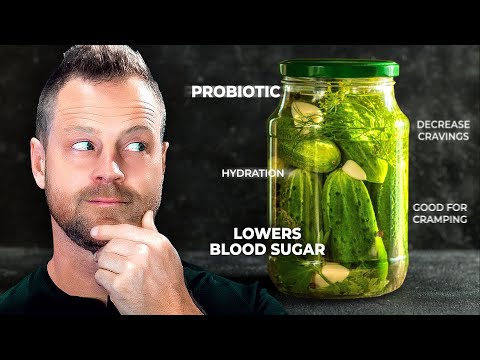
Have you ever sipped pickle juice straight from the jar and thought, “Could this really be good for me?” Many people are curious about the health benefits of this tangy liquid. Some say it can alleviate muscle cramps, improve hydration, or even boost your gut health. But is it all just a briny myth, or does pickle juice have genuine health benefits?
Let’s dive into the interesting world of pickle juice and explore its potential perks, as well as some things to keep in mind before you start guzzling it. After all, knowledge is power when it comes to making informed health choices.
However, a word of caution: while there are claims surrounding pickle juice’s benefits, it’s essential to approach them carefully. Not everyone will experience the same results. It’s always best to consult with healthcare professionals and seek information from various reputable sources before making significant changes to your diet or lifestyle. The journey towards better health should always be based on sound advice and personal understanding!
The information provided in this article is intended solely for general informational and educational purposes. It does not constitute medical advice, diagnosis or professional treatment, and should not be considered a substitute for consultation with a qualified doctor or other licensed healthcare professional. Any health-related decisions should be made in consultation with accredited medical professionals.
While efforts have been made to ensure the information is accurate and up to date, no guarantees are given—either express or implied—regarding its accuracy, completeness, currency or suitability. Use of this information is at your own discretion.
It is strongly recommended to consult official sources such as the NHS (National Health Service) or other recognised medical institutions before acting on any information contained on this website or article. Under no circumstances should professional medical advice be ignored or delayed due to content read here.
This content is of a general and informational nature only. It is not intended to replace individualised guidance from a healthcare professional or to establish any doctor-patient relationship. The publication of this information does not imply any professional responsibility, guarantee or obligation on the part of the author or this site.
Discover the hidden nutritional secrets behind your pickle juice cravings.
Pickle juice has been a topic of interest lately, especially if you’ve found yourself craving it. What’s behind this sudden urge? Let’s explore the nutritional secrets hidden in that tangy liquid.
First, pickle juice comes from cucumbers that have been fermented in a saltwater solution. This fermentation process creates probiotics, which are good bacteria that can aid your gut health. Think of probiotics as friendly helpers for your digestive system.
Secondly, pickle juice is rich in electrolytes. When you’re sweating—like after a workout—you lose these important minerals. Consuming pickle juice can help replenish what you’ve lost. It’s like filling up a gas tank after running low; you need those electrolytes to keep going.
Another reason for those cravings might be the sodium content. Your body needs sodium to function properly. If you’re low on it, especially after intense exercise or dehydration, your taste buds might start to seek out salty flavors like pickle juice.
There are also claims about its potential benefits for cramps. Some athletes drink it to see if it helps relieve muscle tightness during sports activities. While there isn’t solid proof that it works for everyone, some people swear by its effectiveness.
It’s worth considering the flavor too! The sour and salty taste can be quite appealing and satisfying when you’re looking for a snack or drink that feels refreshing yet robust.
Keep in mind that while pickle juice has some benefits, it’s not a miracle solution. Balance is key in any diet. Too much sodium might not be suitable for everyone, especially those with certain health conditions.
If you’re enjoying pickle juice as part of your diet, consider keeping an eye on how much you’re consuming and what else is on your plate each day. It should complement healthy eating habits rather than replace them.
In summary, when those pickle juice cravings hit, remember they may come from your body’s need for hydration and nutrients like electrolytes and sodium. Listen to your body but always strive for moderation and balance in your overall nutrition choices!
Unveiling the surprising truth behind pickle juice and hydration
Pickle juice might sound unusual, but it’s gaining attention for its potential benefits, especially in hydration. Many people wonder if this tangy liquid can really help them recover from exercise or stay hydrated.
First, let’s break down what pickle juice actually is. It’s made from cucumbers that have been fermented in a salty brine, often with vinegar and spices. This process gives it a unique flavor and some surprising properties.
One common belief is that pickle juice helps prevent muscle cramps. Some studies suggest that the vinegar and salt content may send signals to your nervous system, helping to calm cramping muscles. Think of it like hitting the reset button on your body when it’s under stress.
In terms of hydration, pickle juice can be very salty. Salt is important because it helps retain water in your body. This means that after intense exercise—like a long run or workout—pickle juice might offer more than plain water alone by replenishing lost electrolytes.
However, moderation is key here. Drinking large amounts of salty liquids can lead to increased thirst or even other health concerns. It’s like adding too much salt to food; just a pinch enhances flavor but overdoing it can ruin the dish.
If you’re considering trying pickle juice for hydration, remember these points:
Keep in mind that research on pickle juice and hydration is still ongoing. What works for one person might not work for another, so listen to your body and observe how you feel after consuming it.
Pickle juice isn’t a magical solution, but for some people, it could be an interesting addition to their routine. As always, maintaining a balanced diet and staying hydrated with a variety of fluids are essential for overall health.
Before making any big changes to your diet or health routine, consider discussing with someone who understands your personal health needs well—this includes nutritionists or healthcare providers who are familiar with you as an individual.
The Surprising Effects of Sipping on Brine Daily
Many people have started sipping on pickle juice, hoping for some unexpected health benefits. But what’s in that tangy brine, and could it help you? Let’s break it down in a simple way.
Pickle juice is mainly made of water, vinegar, salt, and sometimes spices. Vinegar is often praised for its potential benefits. Some studies show that vinegar might help with blood sugar control after meals.
The high salt content is a key feature of pickle juice. It helps replenish electrolytes lost during sweating. This makes it a go-to option for some athletes recovering from intense workouts.
However, be cautious about the salt levels. Consuming too much sodium can lead to high blood pressure and other issues.
There’s also the topic of digestion. Some believe that the probiotics found in fermented pickles may support gut health. However, not all pickles contain these beneficial bacteria.
While there are some possible effects to consider, it’s important not to rely solely on pickle juice for health improvements. Eating a balanced diet filled with fruits, vegetables, proteins and whole grains is key for overall well-being.
Don’t forget that everyone’s body reacts differently to foods and drinks. What works wonders for one person might not work for another.
If you’re curious about adding pickle juice to your routine, start small. Listen to your body and see how it feels.
Always remember that lifestyle choices—like exercise habits or sleep—play a significant role in how you feel overall too! Exploring new food options can be fun but keep them as part of a bigger picture of health choices rather than a quick fix or magic solution.
Pickle juice has recently gained popularity in health discussions, with some enthusiasts claiming it offers various benefits. It’s essential to approach such trends with a careful lens.
First, the idea behind pickle juice as a health boost often relates to its electrolyte content. Pickle juice is rich in sodium and may help replenish electrolytes after exercise. This can be particularly beneficial for those who engage in intense workouts or endurance activities.
However, there are several points to consider:
Before incorporating pickle juice into your routine, consider your overall dietary patterns and consult with healthcare professionals if you have specific health concerns. Remember that while it might offer some benefits, balance and moderation are key components of good health.