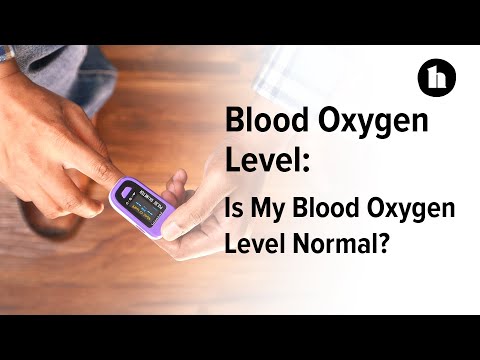
Have you ever thought about how much you rely on your blood? It carriers oxygen, the very essence of life. Just like a car needs fuel to run smoothly, our bodies need the right amount of oxygen in our blood to function well. So, just how do you know if your blood oxygen level is where it should be? This question is a bit like checking your car’s gas gauge—essential for ensuring everything runs smoothly.
A healthy blood oxygen level typically hovers between 95% and 100%. Think of it as the sweet spot for wellness. If levels drop significantly below this range, it might signal an issue that needs attention. Conditions like respiratory infections or chronic lung diseases can impact these numbers and generally mean it’s time to see a healthcare professional.
However, understanding blood oxygen levels can be tricky because not everyone feels symptoms right away. It’s crucial to gather information from qualified specialists and trustworthy sources. Don’t solely rely on one perspective; seek out different viewpoints through reputable medical resources and health professionals. Being curious and informed can empower you to take control of your health decisions wisely!
The information provided in this article is intended solely for general informational and educational purposes. It does not constitute medical advice, diagnosis or professional treatment, and should not be considered a substitute for consultation with a qualified doctor or other licensed healthcare professional. Any health-related decisions should be made in consultation with accredited medical professionals.
While efforts have been made to ensure the information is accurate and up to date, no guarantees are given—either express or implied—regarding its accuracy, completeness, currency or suitability. Use of this information is at your own discretion.
It is strongly recommended to consult official sources such as the NHS (National Health Service) or other recognised medical institutions before acting on any information contained on this website or article. Under no circumstances should professional medical advice be ignored or delayed due to content read here.
This content is of a general and informational nature only. It is not intended to replace individualised guidance from a healthcare professional or to establish any doctor-patient relationship. The publication of this information does not imply any professional responsibility, guarantee or obligation on the part of the author or this site.
Finding Your Ideal Oxygen Level for Better Health and Well-Being
Understanding your blood oxygen level is important for overall health. Oxygen levels can significantly impact how your body functions. It’s like keeping the gas tank of a car filled to ensure it runs smoothly.
Normal blood oxygen levels typically range from 95% to 100%. Levels below 90% are considered low and might indicate a problem. Imagine trying to breathe in a crowded, stuffy room; you might feel more tired or lethargic, much like how low oxygen impacts your body.
Monitoring your oxygen level can be done using a simple device called a pulse oximeter. It clips onto your finger and gives you real-time readings. You’re looking for that sweet spot—ideally between 95-100%.
If you notice low readings over time, it is important to consider what could be causing this. Common reasons include lung conditions, heart issues, or even anemia. Just like checking the oil in a car can point out underlying problems, monitoring oxygen levels helps alert you to health concerns.
There are factors that could affect your oxygen levels, such as altitude or smoking habits. Higher altitudes have thinner air which means less available oxygen. It’s similar to trying to breathe through a straw; the fewer resources available can make things harder.
Engaging in regular exercise enhances lung capacity and efficiency. Think of it like training for a marathon—you gradually build stamina over time which helps with endurance, including breathing better.
Staying hydrated also plays a role in maintaining healthy blood flow and supporting lung function. Water is essential for all bodily processes; think of it as the oil that keeps everything running smoothly.
Key Takeaways:
Be aware of symptoms of low oxygen such as shortness of breath or confusion—these signal it’s time to seek help. Remember, managing your health takes awareness and action!
In summary, keeping an eye on your oxygen levels promotes overall well-being. Awareness leads to better choices about lifestyle and activities that support optimal health—that’s empowering information!
Discover the Critical Oxygen Threshold That Can Lead to Unconsciousness
Understanding the importance of oxygen in our bodies is crucial for overall health. Oxygen is vital for our cells to produce energy. Without it, our bodies can’t function properly.
Normal blood oxygen levels typically range from 95% to 100%. When levels drop below this range, it can become concerning. Oxygen saturation below 90% is considered low and may lead to serious consequences.
The critical threshold where unconsciousness can occur varies among individuals. Generally, when oxygen saturation falls below 60%, brain function becomes significantly impaired. This is often referred to as the “critical threshold.”
Why does this happen? Think of oxygen as fuel for a car. If a car runs out of fuel, it stops working. Similarly, if your body lacks oxygen, organs and tissues cannot perform their roles effectively.
Symptoms of low oxygen levels include confusion, shortness of breath, and rapid heart rate. If these symptoms arise, seeking help immediately is essential.
It’s also important to know that some people with chronic lung issues may tolerate lower oxygen levels better than others. This doesn’t mean it’s okay; rather, their bodies have adjusted over time.
Monitoring blood oxygen levels can be done using a pulse oximeter—a small device that clips onto your fingertip. It’s a simple way to check if your levels are in a healthy range.
Remember that various factors can affect your oxygen levels. These include altitude, lung conditions like asthma or COPD, and even anemia.
It’s vital not to ignore any signs of low oxygen. Consistent fatigue or difficulty concentrating may warrant further investigation with a healthcare professional.
In conclusion, being aware of your blood oxygen level is part of maintaining good health. Recognizing the signs and understanding what they mean empowers you to take action when necessary.
Staying informed promotes healthier choices about your well-being!
Understanding the Implications of Low Oxygen Levels on Your Health
Oxygen is vital for our bodies. It fuels our cells and helps us function. When oxygen levels drop, it can lead to a variety of health issues.
Low oxygen levels in the blood are known as hypoxemia. This can happen for many reasons, like respiratory problems, heart conditions, or even high altitudes. Understanding how low oxygen impacts your body is important.
When there isn’t enough oxygen, your organs start to struggle. The brain is particularly sensitive to low oxygen. Symptoms can include confusion, dizziness, and headache.
The heart also feels the effects of low oxygen. It might pump harder to get more blood circulating. This can lead to a rapid heartbeat or even chest pain in some cases.
Some common signs of low oxygen levels are:
If you’re active and feel unusually breathless or tired, it may be worth checking your blood oxygen level.
Many people use pulse oximeters at home to monitor their levels. These small devices clip onto a fingertip and provide a quick reading of your blood’s oxygen saturation.
A normal reading usually falls between 95% and 100%. Levels below this range might signal a problem that needs attention.
It’s important not to jump to conclusions if you see an unusual reading. Multiple factors can influence these numbers, including altitude and temperature.
Always consult with healthcare providers if you have concerns about your oxygen levels or experience symptoms related to breathing difficulties.
Myth-busting: Some believe that only athletes or people in serious health conditions need to worry about their oxygen levels—that’s not true! Anyone can experience hypoxemia under certain circumstances.
Maintaining good lung health is key for keeping your oxygen levels stable. This includes avoiding smoking and staying active with regular exercise.
In summary, understanding how low blood oxygen affects health empowers informed choices about well-being. Don’t hesitate to seek professional advice if you’re concerned!
Understanding your blood oxygen level is crucial for your overall health. Blood oxygen levels indicate how well your body is circulating oxygen, which is essential for every cell’s function. Normal levels typically range from 95% to 100%.
When your blood oxygen level drops below normal, it can lead to fatigue, shortness of breath, and even confusion. Think of it like a car with a low fuel tank; eventually, it won’t run efficiently or at all.
Several factors can affect these levels. High altitudes can lower blood oxygen due to thinner air. Chronic conditions like asthma or COPD (Chronic Obstructive Pulmonary Disease) can also impact oxygen saturation.
Monitoring your blood oxygen can be as simple as using a pulse oximeter—a small device you clip onto your finger. It gives real-time readings of your saturation levels without needing a blood test.
It’s important to note that temporary dips in oxygen may not always signal a serious issue. However, consistently low levels should prompt a discussion with a healthcare professional.
In summary, being aware of your blood oxygen level enhances your health management and empowers you to make informed decisions. A little knowledge about something seemingly complex can lead to significant improvements in well-being.