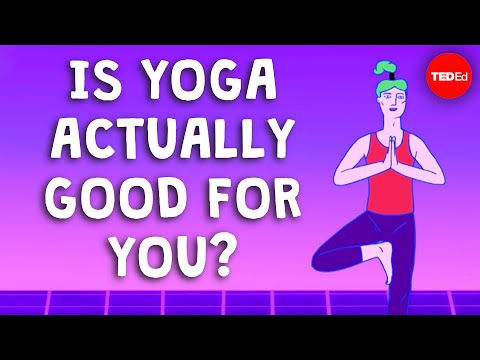
Yoga is more than just poses and stretches; it’s a journey that can lead you to greater understanding of yourself and your body. With roots in ancient Indian philosophy, yoga has evolved into various styles that cater to different needs, energies, and goals. Whether you seek relaxation, strength, flexibility, or spiritual growth, there’s a style for everyone.
In your exploration of yoga—think of it like tasting different cuisines—each style offers unique flavors and experiences. From the calming flow of Hatha to the intense workout of Ashtanga, or the meditative practices of Kundalini, these diverse approaches can enhance physical health while nurturing mental well-being.
Yet, as with any journey, it’s important to navigate wisely. Beware of quick fixes and trendy fads. Everyone’s body is unique; what works for one person may not work for another. It’s crucial to inform yourself through credible sources—whether they be experienced instructors or trusted articles—and consult various specialists when diving into new practices. Your wellness journey should be safe and tailored to you!
The information provided in this article is intended solely for general informational and educational purposes. It does not constitute medical advice, diagnosis or professional treatment, and should not be considered a substitute for consultation with a qualified doctor or other licensed healthcare professional. Any health-related decisions should be made in consultation with accredited medical professionals.
While efforts have been made to ensure the information is accurate and up to date, no guarantees are given—either express or implied—regarding its accuracy, completeness, currency or suitability. Use of this information is at your own discretion.
It is strongly recommended to consult official sources such as the NHS (National Health Service) or other recognised medical institutions before acting on any information contained on this website or article. Under no circumstances should professional medical advice be ignored or delayed due to content read here.
This content is of a general and informational nature only. It is not intended to replace individualised guidance from a healthcare professional or to establish any doctor-patient relationship. The publication of this information does not imply any professional responsibility, guarantee or obligation on the part of the author or this site.
Discover the Diverse Paths to Mindfulness and Well-Being
Mindfulness is a powerful tool for enhancing well-being. It involves being present and fully engaged in the moment. Many paths can lead to mindfulness, and one popular route is through yoga.
Yoga is not just about poses; it’s a rich tradition with many styles. Each style offers unique benefits and ways to connect with your body and mind.
Hatha Yoga focuses on gentle movements and basic postures. It’s often used as an introduction because it emphasizes alignment and breathing.
Vinyasa Yoga, on the other hand, links breath with movement in a flowing sequence. This style can be more dynamic, often leading to a feeling of peace through rhythm and flow.
Bikram Yoga takes things up a notch by practicing in a heated room. The heat is said to improve flexibility, but it also requires careful attention to hydration.
Restorative Yoga slows everything down. With props like blankets and bolsters, this style encourages relaxation and deep breathing, making it perfect for stress relief.
Kundalini Yoga combines movements with chants or mantras. The goal here is to awaken energy at the base of your spine using specific techniques that promote spiritual growth.
Yin Yoga focuses on holding postures for longer periods, usually targeting deep connective tissues. This can help increase circulation in the joints and improve flexibility over time.
As you explore these diverse styles of yoga, remember they all share core principles: mindfulness, awareness of breath, and connection between body and mind.
Try different classes or online sessions to find what resonates with you. You might discover that certain styles suit your mood or needs at different times in life.
It’s essential to approach each practice without expectations or judgments—much like life itself!
Many people find themselves turning to yoga as a way to cope with stress or anxiety. It’s worth noting that while yoga can enhance well-being, it’s not a substitute for professional help when facing serious mental health concerns.
So whether you’re looking for physical fitness or emotional balance, there’s likely a style of yoga waiting for you!
Engagement with these diverse paths can nurture not only mindfulness but also pave the way toward overall well-being. Remember—it’s about the journey together rather than rushing toward an end goal!
Discover the Most Challenging Yoga Practices That Push Your Limits
Yoga is a beautiful and diverse practice that comes in many styles. Some forms of yoga are designed to challenge both the body and the mind. Let’s explore some of these intense practices that really push your limits.
Ashtanga Yoga is one of the most physically demanding styles. It follows a specific sequence of postures, moving through them in a flow that builds strength and flexibility. Think of it like a dance; the movements are synchronized with your breath, creating a rhythm that can be incredibly powerful.
Power Yoga takes this intensity up a notch. It’s often faster-paced and focuses on building core strength. The idea here is to get your heart rate up while working on different muscle groups. Imagine turning your body into an endurance machine!
Bikram Yoga, sometimes called hot yoga, involves practicing in a heated room with 26 poses. The heat can make you sweat buckets, which some say helps release toxins from your body (though that’s debated). Just remember to hydrate well before class—you’re gonna need it!
Anusara Yoga encourages practitioners to find joy in their practice while still pushing physical boundaries. It focuses on alignment but encourages creative expression in poses, much like painting a landscape where you’re both artist and canvas.
Kundalini Yoga might be challenging for more than just muscles. This style integrates breathing techniques, meditation, and chanting to awaken energy at the base of your spine. It’s about reaching higher levels of consciousness while pushing physical limits.
When trying any intense yoga practice, listen closely to your body. It’s easy to get caught up in what others are doing or reaching for advanced poses too quickly. Always prioritize safety over perfection.
Finally, it’s essential to recognize that each style has its benefits and drawbacks. What might seem perfect for one person could be too challenging or not appealing for another.
Always approach new practices with curiosity and respect for where you’re at today—each journey is unique!
Discover the Benefits and Techniques Behind Each Pose
Yoga is a journey that invites you to explore your mind and body through various poses. Each pose offers unique benefits and can be adapted to suit all levels of practice. Let’s dive into some popular styles and their key poses.
Hatha Yoga is a good starting point for beginners. It focuses on balance and alignment.
– **Mountain Pose (Tadasana)**: This pose helps improve posture and balance. Imagine standing tall like a mountain, grounding yourself.
– **Downward-Facing Dog (Adho Mukha Svanasana)**: A great stretch for the hamstrings and shoulders. Picture yourself as an inverted V, connecting with the earth.
Next is Vinyasa Yoga, which links movement with breath.
– **Sun Salutation (Surya Namaskar)**: A series of flowing movements that warm up the body. Think of it as choreographed dance, moving fluidly from one pose to another.
– **Warrior II (Virabhadrasana II)**: This pose develops strength in the legs and opens the hips. Visualize being strong like a warrior facing challenges confidently.
Ashtanga Yoga involves a set sequence of poses practiced in a specific order.
– **Standing Forward Bend (Uttanasana)**: This forward fold calms the mind while stretching your back. Imagine letting go of worries as you bow forward.
– **Half Moon Pose (Ardha Chandrasana)**: Balances strength and flexibility while challenging your focus. Think of yourself as a crescent moon shining brightly against the night sky.
Restorative Yoga emphasizes relaxation using props to support the body.
– **Supported Child’s Pose (Balasana)**: Perfect for stress relief, this grounding pose allows you to pause and breathe deeply.
– **Reclining Bound Angle Pose (Supta Baddha Konasana)**: Opens the hips gently while promoting calmness. Imagine cradling your heart space in comfort.
Each style has its advantages based on what you’re looking for in your practice.
Keep an open mind when exploring these styles and poses. Remember, there is no right or wrong way to do yoga—only what feels good for you. Each session can teach you something new about yourself both physically and emotionally, encouraging growth at your own pace!
Yoga is more than just a physical practice; it is a journey that encompasses various styles and philosophies. Each type of yoga has its unique focus, whether it’s relaxation, strength-building, or spiritual growth. Understanding these diverse styles can greatly enhance one’s experience and personal growth in yoga.
Hatha Yoga is often seen as the foundation. It introduces basic postures (asanas) and breath control (pranayama). It’s like learning the building blocks of a language; once you master Hatha, you have a solid base to explore other styles.
Vinyasa Yoga, on the other hand, connects breath with movement. It flows from one pose to another seamlessly. Think of it as dancing; it’s rhythmic and energizing, making it excellent for those who prefer a dynamic workout.
Ashtanga Yoga offers a more rigorous approach with defined sequences that are practiced in the same order every time. This style requires commitment and discipline, much like studying for an exam where consistency leads to mastery.
Bikram Yoga takes place in a heated room, focusing on detoxification through sweating. It’s akin to taking yourself outside your comfort zone—challenging yet rewarding.
Moving into Kundalini Yoga, this style emphasizes awakening energy at the base of the spine through chanting and meditation along with physical poses. You might think of it as tapping into your inner potential—like finding hidden treasures within yourself.
Finally, Restorative Yoga focuses on relaxation and regeneration. It uses props to support the body in gentle poses for extended periods. This approach teaches us the importance of rest—just like recharging your phone prevents it from dying out.
Exploring various yoga styles can lead to profound personal insights and well-being. Each style teaches us something unique about ourselves and our bodies—a reminder that there are many ways to find balance in life. As you navigate this journey, be open-minded, listen to your body, and choose what resonates most with you.