The information provided in this article is intended solely for general informational and educational purposes. It does not constitute medical advice, diagnosis or professional treatment, and should not be considered a substitute for consultation with a qualified doctor or other licensed healthcare professional. Any health-related decisions should be made in consultation with accredited medical professionals.
While efforts have been made to ensure the information is accurate and up to date, no guarantees are given—either express or implied—regarding its accuracy, completeness, currency or suitability. Use of this information is at your own discretion.
It is strongly recommended to consult official sources such as the NHS (National Health Service) or other recognised medical institutions before acting on any information contained on this website or article. Under no circumstances should professional medical advice be ignored or delayed due to content read here.
This content is of a general and informational nature only. It is not intended to replace individualised guidance from a healthcare professional or to establish any doctor-patient relationship. The publication of this information does not imply any professional responsibility, guarantee or obligation on the part of the author or this site.
Have you ever felt that your mood can change how your body feels? It’s funny, isn’t it? The connection between our actions and our well-being goes deeper than you might think.
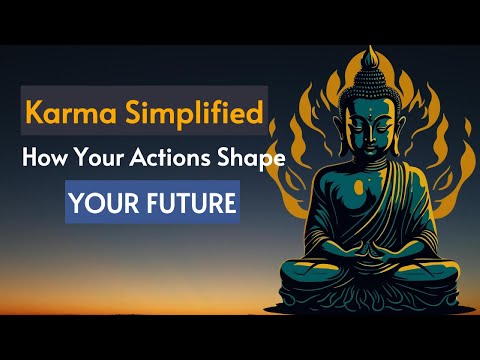
Karma isn’t just a spiritual concept; it’s actually rooted in how we treat ourselves and others. Our daily choices can influence our health in surprising ways. Sometimes, a small act of kindness or even a positive thought can shift your entire day, right?
This article explores how these ideas tie into wellness. We’ll look at how your actions, thoughts, and interactions shape not only your mental health but also your physical well-being. It matters because understanding this connection can empower you to take charge of your life. You know—make intentional choices that contribute to better health.
While we’re diving into some fascinating insights here, remember that this isn’t a replacement for professional medical advice. Always consult with a healthcare professional when making health decisions. Let’s get started on this journey together!
Exploring the Connection Between Actions and Well-Being
The Connection Between Actions and Well-Being
Hey, have you ever thought about how what we do affects our health? There’s this idea called karma, which is often about the actions we take and their consequences. It suggests that our behaviors can influence not just our happiness, but also our physical well-being.
What is Karma?
Karma comes from ancient Indian philosophy. It basically means that every action has a reaction—like a boomerang. If you throw out positivity, good things can come back at you. Similarly, negative actions might lead to unpleasant experiences down the line.
The Ripple Effect on Health
Now, let’s think of a real-life example. Imagine someone who regularly helps others by volunteering. This person might feel happier and more fulfilled. Studies show that altruistic behavior—even small acts like helping a friend—can reduce stress and boost mood.
Stress and Its Impact
Speaking of stress, it plays a huge role in overall health. When we engage in negative actions or harbor resentment, it can keep us tense and anxious. Chronic stress isn’t good for the body; it can lead to headaches, digestive issues, or even heart problems.
Positive Actions for Well-Being
You know how some people practice mindfulness or meditation? These are considered positive behaviors that help cultivate inner peace and awareness. Engaging in activities like exercise or spending time with loved ones enhances not just emotional wellness but physical health too.
Building Good Karma
The idea of building good karma isn’t just spiritual; it’s practical too! When we act kindly or make healthy choices—like eating well or exercising—we’re likely to feel better inside and out. But it’s important to remember that well-being is complex: one good deed doesn’t erase past mistakes.
The Balance of Life Choices
A significant aspect of karma is balance. Think about how you treat yourself versus how you treat others. If you eat junk food all week but volunteer on weekends, you may still feel out of sync overall. Making consistent healthy choices can create a more harmonious life experience.
Cultivating Awareness
Developing self-awareness helps us recognize how our actions affect our health and mood. Maybe journal your experiences! Noticing patterns in your feelings linked to specific actions can be eye-opening.
A Healthy Mindset is Key
You don’t have to be perfect; nobody is! Acknowledge mistakes but try focusing on improving gradually over time. Setting small goals makes change less overwhelming which can actually help with this karmic connection.
The Bottom Line
Your actions hold weight! While karma explains that there are results to your choices—good or bad—it’s also crucial to understand the impact on personal well-being as interconnected elements of life itself shape everything around us like dominoes falling over one another.. Choosing kindness usually leads back to kindness towards ourselves, reinforcing positive outcomes along the way!
Exploring the Ripple Effects of Our Choices in Life
The Ripple Effects of Our Choices
Ever thought about how your choices impact not just yourself but others around you? It’s kind of like tossing a pebble into a pond. The ripples spread out, touching everything in their path. This is especially true when looking at karma and wellness.
What is Karma?
Karma is often viewed as the idea that what you do comes back to you. If you’re kind, kindness may come back your way. If you’re negative or harmful, well, those vibes can circle back too. It’s not just about moral actions; it’s about every choice we make.
Choices and Health
Your daily choices—what you eat, how much you move, even the way you think—can shape your health significantly. Positive choices tend to lead to positive outcomes. For instance, eating nutrient-rich foods can boost your energy levels and mood.
- Consider someone who practices gratitude daily. They might feel happier and less stressed over time.
- On the flip side, let’s say another person consistently opts for junk food. They could experience sluggishness or health issues down the line.
The Mind-Body Connection
This brings us to something called the mind-body connection. It’s simple: our thoughts and emotions can affect our physical health. Stress can lead to headaches or stomach problems—it’s all interlinked.
- If you’re constantly anxious, that could trigger issues like high blood pressure or insomnia.
- A relaxed mind? That often leads to better immune function and healing!
Building Positive Habits
You might be wondering how to create these positive ripples in your life. It’s not as daunting as it seems! Small steps can lead to big changes over time.
- Start with mindful eating—pay attention to what you’re consuming instead of mindlessly munching while watching TV.
- Add some movement into your day; even a short walk counts!
- Connect with others positively through acts of kindness; it doesn’t have to be grand gestures—a compliment works wonders.
The Bigger Picture
The thing is, we’re all interconnected in this web of life. Your actions don’t just stay within your personal bubble; they ripple outwards toward friends, family, and community members too.
If everyone practices kindness and wellness little by little, we start creating a healthier environment for everyone involved—kind of like setting off a chain reaction that benefits all parties involved!
Cultivating Awareness
A key aspect here is being aware of our habits and adjusting them if needed. Self-reflection helps in recognizing patterns that may not serve us positively anymore. Sometimes simply asking yourself why you make certain choices opens doors for change!
- Kicking bad habits can be hard! But honestly recognizing them is the first step toward growth.
- A supportive community also plays its part in encouraging positive change!
Your Journey Matters
Every choice we make contributes towards a larger narrative—not just ours but collectively as a society too! Embracing this interconnectedness adds depth and meaning to our lives…
You know? Life’s about learning from mistakes while striving for improvement through positive actions each day…
Karma isn’t just some abstract concept; it’s lived experience for many people across various cultures… So next time you consider making a choice—even something small—remember that it might have effects beyond what you see right away!
Unlocking the Hidden Power of Choices and Consequences
Understanding Karma and Wellness
The concept of karma is often linked to spiritual beliefs. But, you know, it has a real impact on our well-being too. Basically, karma suggests that our actions—good or bad—tend to come back to us in some way.
Choices Matter
Every little choice we make can influence our health. Imagine choosing to eat a salad instead of fries. At first glance, it seems simple, right? But over time, those small decisions build up.
If you often choose healthier foods, you might feel more energetic and less prone to illness. On the other hand, repeatedly opting for junk food can lead to health issues like obesity or heart disease.
The Ripple Effect
Your choices don’t just impact your own health; they can affect those around you too. If you’re active and prioritize your wellness, friends and family might be inspired to follow suit.
This doesn’t just mean eating better; think about mental health as well. Positive actions like expressing gratitude or being kind create a happier environment for everyone—which can boost overall wellness!
Consequences are Real
Let’s talk consequences—both good and bad. When you exercise regularly or meditate, the benefits stack up over time. Stress levels decrease, mood improves; it’s like building a healthy fortress around yourself.
However, neglecting your needs has its consequences too. Chronic stress from work obligations or poor diet choices may lead to long-term issues such as anxiety or fatigue.
Breaking the Cycle
You might wonder how to break negative cycles in life. It’s really about awareness! Knowing how certain choices affect your mood or health gives you power over them.
For example: if you notice that staying up late makes you grumpy the next day, maybe it’s time for an earlier bedtime? Recognizing these patterns helps reshape how we respond moving forward.
A Mindful Approach
This whole idea ties into mindfulness—a practice of staying present and aware of what we do and why we do it. Mindfulness encourages thoughtful decision-making rather than acting on impulse.
You know how sometimes we reach for snacks when we’re bored? Being mindful means recognizing that urge without judgment—and maybe choosing an apple instead.
The Bigger Picture
Karma isn’t just about punishment or reward; it’s about learning from experiences too! Every action teaches us something valuable regarding our lifestyles and decisions futurehealth-wise.
- Actions have effects that ripple through our lives beyond what we see immediately.
- Cultivating positive habits leads not only to better physical health but emotional wellness as well.
- Sparking change starts with self-awareness!
Your Power in Choices
In a nutshell? Remember that your choices weave together into the fabric of your life experience—both good and challenging ones shape who we are becoming every day!
Karma often evokes ideas about fate and justice, but when you think about it in terms of wellness, it takes on an interesting dimension. The essence of karma is about actions and consequences—what we put out into the world comes back to us. This idea can really impact our health.
Imagine you’re kind to others. This sets off a positive ripple effect. You feel good about yourself, which can lower stress levels and boost your mood. Science shows that kindness can even strengthen your immune system. So, in a way, being compassionate not only uplifts those around you but also enhances your well-being.
On the flip side, negative actions or emotions like anger and hostility don’t just hurt others; they can harm us too. Stress from holding onto grudges or negativity can lead to health issues—like high blood pressure or heart disease. Recognizing this connection inspires us to be more mindful of our choices.
Practices like mindfulness and gratitude directly relate to this concept of karma in wellness. They encourage self-reflection and awareness of how our actions affect not only ourselves but also others in our lives.
Ultimately, thinking about karma in the context of health reminds us that we have a say in shaping our wellness journey. Each action contributes to a larger picture—of both personal health and community well-being.