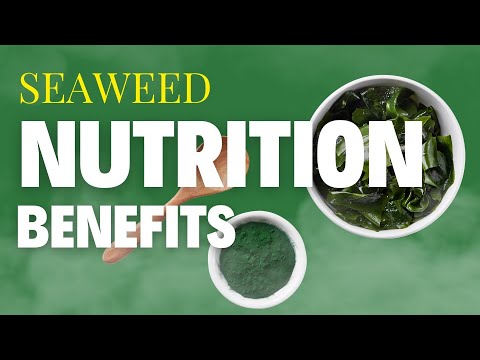
Kelp is more than just a staple in sushi rolls; it’s a nutritional powerhouse that deserves your attention! This seaweed, thriving in underwater forests, is packed with vitamins, minerals, and antioxidants that can elevate your health in surprising ways. Imagine harnessing the energy of the ocean to boost your well-being—sounds intriguing, right?
Kelp is rich in iodine, which supports thyroid health and helps regulate metabolism. It also boasts fiber that aids digestion and keeps you feeling full longer. Additionally, it contains antioxidants that can combat inflammation and protect against chronic diseases. When incorporated into your diet, kelp might just be the secret ingredient you’ve been missing!
However, before diving into kelp’s benefits wholeheartedly, it’s crucial to exercise caution. Kelp absorbs minerals from seawater, which means it can also contain high levels of iodine or heavy metals if harvested from polluted areas. Always consult reliable sources and talk to healthcare professionals about integrating kelp into your diet. Checking various specialists’ opinions ensures you make informed decisions for your health journey. Keep exploring and stay curious—you’re worth it!
The information provided in this article is intended solely for general informational and educational purposes. It does not constitute medical advice, diagnosis or professional treatment, and should not be considered a substitute for consultation with a qualified doctor or other licensed healthcare professional. Any health-related decisions should be made in consultation with accredited medical professionals.
While efforts have been made to ensure the information is accurate and up to date, no guarantees are given—either express or implied—regarding its accuracy, completeness, currency or suitability. Use of this information is at your own discretion.
It is strongly recommended to consult official sources such as the NHS (National Health Service) or other recognised medical institutions before acting on any information contained on this website or article. Under no circumstances should professional medical advice be ignored or delayed due to content read here.
This content is of a general and informational nature only. It is not intended to replace individualised guidance from a healthcare professional or to establish any doctor-patient relationship. The publication of this information does not imply any professional responsibility, guarantee or obligation on the part of the author or this site.
Discover the Surprising Superfood from the Ocean That Boosts Your Wellbeing
Kelp is an incredible sea vegetable that often flies under the radar when we think about healthy foods. It’s a type of brown seaweed that grows in underwater forests. Many places around the world use it in dishes, but its health benefits are even more fascinating.
One of the top benefits of kelp comes from its rich nutrient profile. Kelp is loaded with vitamins, minerals, and antioxidants. It’s especially known for being high in iodine, which helps maintain healthy thyroid function. The thyroid is like a control center for your metabolism, energy levels, and overall hormonal balance.
Kelp also contains important vitamins such as A, C, E, and K. These help protect our body from oxidative stress—the kind of damage caused by free radicals in our environment. Think of these vitamins as little shields defending your cells.
On top of that, kelp is a good source of fiber. Fiber is essential for digestive health and can help you feel full longer. This can aid in weight management by curbing snacking between meals.
Another interesting aspect is kelp’s potential role in heart health. Some studies suggest that consuming seaweed may help reduce cholesterol levels and support cardiovascular health due to its effects on blood pressure and circulation.
When it comes to gut health, kelp may also play a part. The fiber in kelp acts like food for your gut bacteria, promoting a balanced microbiome. A healthy gut contributes to better digestion and overall well-being.
Here are some easy ways to enjoy kelp:
It’s essential to remember that while adding kelp to your diet can be beneficial, moderation is key due to its iodine content. Too much iodine can lead to thyroid issues as well.
As with any food changes you make, consider how they fit into your lifestyle and habits. Also remember that it’s always good practice to consult with someone knowledgeable about diet if you have any concerns or specific health issues.
Incorporating this ocean superfood into your meals can be both delicious and rewarding! Discovering new ways to enjoy foods like kelp can elevate your well-being while expanding your culinary horizons at the same time.
Uncovering the Hidden Effects of Kelp on Your Health
Kelp is a type of seaweed that’s gaining attention for its potential health benefits. It’s rich in various nutrients and has been used in traditional diets, especially in Asian cuisine. But what exactly can kelp do for your health? Let’s explore some of its notable effects.
Rich Source of Nutrients: Kelp contains essential vitamins and minerals. It’s particularly high in iodine, which is vital for thyroid function. Think of iodine like fuel for our body’s engine—without it, the engine can’t run efficiently.
Supports Thyroid Health: The thyroid gland uses iodine to produce hormones that regulate metabolism. Including kelp in your diet may help ensure you get enough iodine. Just remember, balance is key; too much iodine can be harmful.
Packed with Antioxidants: Antioxidants are compounds that protect our cells from damage caused by free radicals—unstable molecules that can lead to chronic diseases over time. Kelp’s antioxidants support overall health by combating this oxidative stress.
Aids Digestion: The fiber found in kelp helps keep the digestive system running smoothly. Fiber acts like a broom, sweeping through your intestines and promoting regular bowel movements.
Potential Heart Health Benefits: Some studies suggest that kelp may help lower cholesterol levels due to its unique fiber composition. This effect might promote better heart health over time when included as part of a balanced diet.
However, it’s important to consume kelp responsibly. Too much kelp can lead to excessive iodine intake or other imbalances in the body. Moderation matters!
Also, if you’re considering adding kelp supplements or large quantities to your meals, it’s wise to consult with a healthcare provider first.
In conclusion, while kelp holds exciting potential as a nutritious food source with several benefits—such as supporting thyroid function, providing essential nutrients, aiding digestion and possibly benefiting heart health—it’s vital to approach it thoughtfully. A balanced diet combined with varied food sources usually offers the best nutrition without the risks associated with excess consumption of any one item!
Unlocking the Surprising Benefits of Daily Seaweed Consumption
Seaweed, especially varieties like kelp, is becoming increasingly popular in our diets. It’s not just a trendy food; it has some surprising health benefits worth exploring.
First off, seaweed is packed with nutrients. It contains essential vitamins and minerals like iron, calcium, and magnesium. Think of it as nature’s multivitamin, but in a natural form.
Another incredible aspect is that seaweed is rich in iodine. Iodine is crucial for thyroid function, which helps regulate metabolism. A well-functioning thyroid supports overall energy levels and can aid weight management.
Seaweed also offers dietary fiber. Fiber helps support digestive health by promoting regularity and feeding good gut bacteria. Imagine fiber as a broom that sweeps through your digestive system, keeping things clean and functioning well.
Additionally, seaweed can be a source of antioxidants. These compounds help combat oxidative stress in the body—like armor protecting against damage from harmful free radicals.
Eating seaweed may also support heart health. Some studies suggest that the unique compounds found in seaweed can help lower cholesterol levels and maintain healthy blood pressure.
Furthermore, it’s low in calories yet filling due to its high fiber content. This means you can enjoy it without feeling guilty about extra calories—it’s an ideal snack or side dish!
When adding seaweed to your diet, consider incorporating it into soups or salads. It can also serve as seasoning for various dishes, bringing both flavor and nutrition to your meals.
However, moderation is key! Too much iodine could lead to thyroid issues for some individuals. So it’s best to include seaweed as part of a balanced diet rather than relying on it alone for nutritional benefits.
In summary:
Exploring the world of seaweed might just unlock new flavors and nutritional benefits in your diet! Just remember to enjoy it thoughtfully as part of an overall healthy eating pattern.
Kelp, a type of seaweed, has gained attention for its numerous health benefits, earning the title of “superfood.” Understanding these advantages can empower individuals to make informed dietary choices.
Nutrient-Rich Profile: Kelp is packed with essential nutrients. It contains vitamins A, C, E, and K, as well as minerals like calcium and magnesium. Think of it as a natural multivitamin sourced directly from the ocean.
Rich in Iodine: One standout benefit of kelp is its high iodine content. Iodine is crucial for proper thyroid function. Imagine your thyroid as the body’s thermostat—it regulates metabolism and energy levels. Without enough iodine, this system may struggle to maintain balance.
Supports Gut Health: Kelp provides dietary fiber that aids digestion. This fiber acts like a broom sweeping out your intestines and feeding beneficial gut bacteria. A healthy gut contributes to overall well-being and enhances nutrient absorption.
Antioxidant Properties: Seaweed contains antioxidants that help protect the body from oxidative stress caused by free radicals. Think of antioxidants as shields against damage at the cellular level, supporting long-term health.
While incorporating kelp into your diet offers many benefits, it’s vital to do so in moderation due to its high iodine content. Excessive intake can lead to thyroid dysfunction rather than improvement.
In conclusion, understanding kelp’s benefits allows individuals to elevate their diets wisely while promoting overall health. It’s always wise to consult with a healthcare provider before making significant dietary changes—especially when exploring powerful foods like kelp.