The information provided in this article is intended solely for general informational and educational purposes. It does not constitute medical advice, diagnosis or professional treatment, and should not be considered a substitute for consultation with a qualified doctor or other licensed healthcare professional. Any health-related decisions should be made in consultation with accredited medical professionals.
While efforts have been made to ensure the information is accurate and up to date, no guarantees are given—either express or implied—regarding its accuracy, completeness, currency or suitability. Use of this information is at your own discretion.
It is strongly recommended to consult official sources such as the NHS (National Health Service) or other recognised medical institutions before acting on any information contained on this website or article. Under no circumstances should professional medical advice be ignored or delayed due to content read here.
This content is of a general and informational nature only. It is not intended to replace individualised guidance from a healthcare professional or to establish any doctor-patient relationship. The publication of this information does not imply any professional responsibility, guarantee or obligation on the part of the author or this site.
Ever felt that gnawing pain in your stomach, especially after a spicy meal? You’re not alone. Peptic ulcers are more common than you might think, affecting millions of people worldwide. They can be painful and annoying, often leading to discomfort after eating.
The good news is that managing your symptoms may start with your diet. Certain foods can actually make things worse, while others can help soothe the irritation. Understanding what to avoid is key in this process.
This article will walk you through key foods to steer clear of when dealing with peptic ulcer symptoms. We’ll discuss why these foods can trigger discomfort and provide insight into how they affect your gut health.
Your health matters, so remember: this information isn’t a substitute for professional medical advice. It’s always best to consult a healthcare professional before making significant changes to your diet or treatment plan.
Let’s dive in and explore how simple dietary choices can make a difference in your journey towards feeling better!
Discover soothing recipes to help heal and nourish your gut in just one week.
Understanding Peptic Ulcers
Peptic ulcers are open sores that develop on the lining of your stomach or the upper part of your intestines. The main causes are an infection with a bacteria called Helicobacter pylori and long-term use of nonsteroidal anti-inflammatory drugs (NSAIDs). Stress and spicy foods used to be thought to cause them, but they don’t directly create ulcers.
Foods to Avoid
If you have peptic ulcers, certain foods can aggravate your symptoms. It’s a good idea to watch what you eat closely. Here’s a look at some foods you might want to steer clear of:
- Spicy foods: You know that burning feeling? Spicy food can irritate the stomach lining.
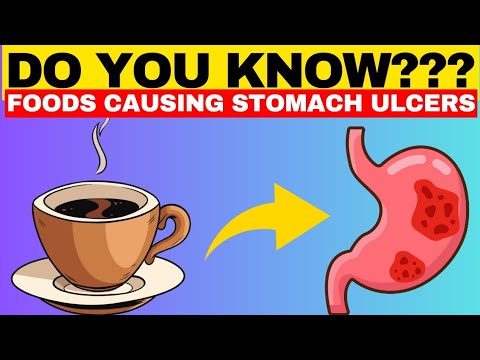
- Caffeinated beverages: Coffee, tea, and soda may increase acid production in your stomach.
- Alcohol: It can irritate your stomach and increase acid production as well.
- Citrus fruits: Foods like oranges or lemons may worsen symptoms for some people due to their acidity.
- Tomato products: Ketchup and sauces can also be acidic, making them potentially troublesome.
- Saturated fats: Fatty cuts of meat and fried foods might slow digestion and cause discomfort.
Nourishing Your Gut
The goal is not just avoiding trigger foods but also including those that nourish your gut. You can think about incorporating soothing recipes that feature gentle on your digestive system ingredients like oats, bananas, yogurt without sugar added, and cooked vegetables. These whole foods tend to be easier on the stomach while providing necessary nutrients.
A Sample Recipe Idea: Comforting Oatmeal
You could make a simple bowl of oatmeal with water or low-fat milk. Adding ripe bananas makes it naturally sweet without any added sugar. Oats are high in fiber which helps digestion.
An Option for Dinner: Gentle Veggie Soup
A warm soup made from cooked carrots, zucchini, potatoes, and broth might just hit the spot after a long day. Cooking these veggies until they’re tender makes them easier to digest.
The Importance of Moderation
You don’t have to eliminate every single food on the “bad” list forever; moderation is key! Sometimes having small amounts can be okay if you pay attention to how they affect you personally.
A Personal Touch: Listen To Your Body
Your experience will guide what works best for you. Keeping a food diary is one way some folks track what they eat alongside their symptoms; this way they gain insights into what truly helps or hurts their gut health over time.
Your Next Steps
If you’re dealing with peptic ulcers or digestive issues more generally, discussing changes in diet with someone who understands your specific situation would be wise. Adjusting meals doesn’t need to be stressful; think comfort rather than restriction!
Steer Clear of These Foods to Soothe Your Stomach and Promote Healing
Peptic ulcers can be a real pain, literally. These sores develop on the lining of the stomach or the first part of your small intestine. If you’ve got one, certain foods can make your symptoms worse. It’s helpful to know what to steer clear of.
Foods High in Acidity
Citrus fruits like oranges and grapefruits might sound refreshing, but they can irritate an ulcer. Acidy foods can cause an increase in stomach acid, which is not what you want. Think of it as adding fuel to a fire.
Spicy Foods
If you’re a fan of spicy dishes, it might be time to take a break. Spices like chili powder or pepper can exacerbate ulcer pain for some folks. It’s similar to rubbing salt into a wound—just makes everything hurt more.
Caffeinated Beverages
Coffee, tea, and sodas with caffeine might give you that morning boost, but they also stimulate acid production in your stomach. When dealing with an ulcer, less stimulation is generally better.
Fatty and Fried Foods
These types of food might sit heavy in your stomach and lead to discomfort. They take longer to digest and may trigger more acid production too.
Alcohol
This one’s tricky since many people enjoy drinks socially. However, alcohol can irritate the stomach lining significantly. It’s like putting up a big flashing sign saying “please inflame my ulcer.” Moderation helps—but cutting back entirely could be wise when experiencing symptoms.
Dairy Products
You may think milk soothes an upset stomach—it does offer temporary relief sometimes—but high-fat dairy products can actually worsen symptoms long term for some individuals.
Sour Foods
Pickles or sour candies? They might sound good at first glance but are often too harsh on the sensitive linings during flare-ups.
- Avoid: Tomato-based products like sauces or ketchup as they can be acidic.
- Avoid: Processed snacks that are high in salt; they might irritate as well.
- Avoid: Artificial sweeteners because they may lead to digestive issues for some people with ulcers.
The key here is listening to your body and figuring out what doesn’t work for you personally. Everybody’s different—some foods that bother one person may not faze another at all!
The Bottom Line
Paying attention to what you eat plays an important role in managing peptic ulcers. While it’s smart to avoid certain foods known for aggravating symptoms, always consult with someone knowledgeable if you have questions about specific dietary needs or restrictions related to your health condition.
Navigating Your Plate: Discover What to Skip for a Happier Stomach
Navigating Your Plate: Foods to Skip for a Happier Stomach
Peptic ulcers can be a real pain—literally. These sores form in the lining of your stomach or the upper part of your small intestine due to too much acid. If you’re struggling with ulcer symptoms, certain foods can make things worse. Let’s look at what you might want to avoid.
Spicy Foods
Hey, if you love spicy food, it’s time for a little rethink. Spices like chili peppers can irritate your stomach lining and increase acid production. This doesn’t mean you need to say goodbye to flavor completely, just maybe tone it down a bit.
Caffeinated Beverages
Caffeine is another one that often doesn’t help. Coffee or energy drinks may boost your mood but they also stimulate acid secretion, leading to discomfort later on. You know how sometimes that cup of coffee feels great but then you feel icky? Yeah, that could be the caffeine talking.
Drinks containing alcohol can be pretty harsh on your stomach as well. They irritate the digestive tract and disrupt its natural healing process. Plus, alcohol might mess up how some medications work if you’re taking them for ulcer symptoms.
Acidic Foods
Foods like citrus fruits and tomatoes are healthy but also acidic. High acidity can worsen ulcer pain for some people. You don’t have to cut them out entirely—just be mindful if they cause discomfort.
Fried and Fatty Foods
No one wants greasy food all the time anyway! Fried foods take longer to digest and might increase stomach pressure, which isn’t fun when you’re dealing with ulcers. Think about switching fried meals for grilled or steamed options instead.
Considerations Beyond Food
A lot of times it’s not just what you eat but how you eat it too! Eating smaller meals can relieve pressure on your stomach and help prevent those pesky symptoms from flaring up. Also, try eating slowly; it gives your body more time to digest properly.
If you’re unsure about any specific food or drink item in relation to peptic ulcers, keep track of what seems alright and what doesn’t work well for you personally—it’s kind of like creating your own food diary!
The Bottom Line
Navigating diet with peptic ulcers involves being aware of certain trigger foods. While everyone’s body responds differently, keeping an eye on spicy dishes, caffeine sources, alcohol intake and greasy meals could lead to less irritation down there in the belly area.
You don’t have to give up everything; just find balance within moderation! And always remember: It’s fine to ask questions about what works best for you—it’s all part of figuring out this digestion puzzle together!
Key Foods to Avoid for Managing Your Peptic Ulcer Symptoms
Peptic ulcers can be a real pain, quite literally. They’re sores that develop on the lining of your stomach or the upper part of your small intestine. Managing them often involves not just medication but also paying attention to what you eat. Some foods can really crank up those symptoms, so it’s good to know which ones to avoid.
Spicy Foods
First off, spicy foods can be problematic. They often irritate the stomach lining and cause discomfort. If you notice heartburn after a spicy meal, it might be time to ease off on those hot peppers.
Caffeinated Beverages
You might love your daily cup of coffee, but caffeine can increase stomach acid production. This can lead to more irritation, so consider limiting coffee and sodas.
Alcohol
Here’s another biggie: alcohol can damage the stomach lining and slow down the healing process of ulcers. Cutting back or eliminating alcohol altogether is usually a smart move.
Acidic Foods
Citrus fruits and tomatoes are tasty, but their acidity might aggravate ulcer symptoms for some people. You don’t have to completely ditch them; just pay attention to how they make you feel.
Fatty Foods
High-fat meals—think fried foods and rich sauces—can delay stomach emptying. This may lead to increased pressure and discomfort in your stomach.
The Bottom Line
Avoiding these foods doesn’t mean giving up flavor or enjoyment in meals. Instead, focus on incorporating soothing options like bananas, oatmeal, or lean proteins that generally don’t irritate ulcers as much. Listening to your body is key here; everyone reacts differently.
If you’re struggling with peptic ulcer symptoms, chat with a healthcare provider for tailored advice and support tailored specifically for you!