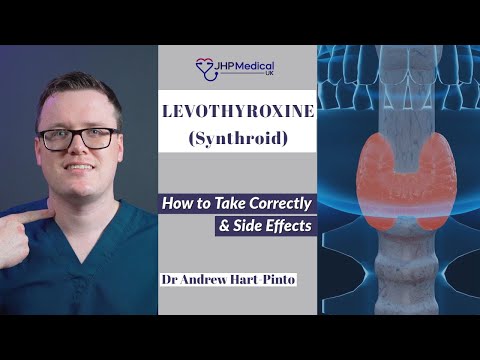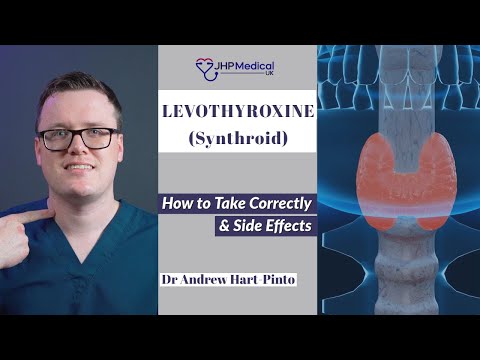
Levothyroxine is a medication that plays a crucial role in managing thyroid health. Think of your thyroid like a small conductor in an orchestra. When it’s functioning well, it helps harmonize various bodily processes, from energy levels to mood regulation. However, if the thyroid isn’t producing enough hormones – a condition known as hypothyroidism – it can throw off this balance. That’s where Levothyroxine comes into play.
This synthetic hormone replacement mimics what your thyroid should naturally produce. By taking Levothyroxine orally, individuals often experience improvements in energy, weight management, and overall wellbeing. Yet, like any medication, it’s important to understand both its benefits and potential risks.
While Levothyroxine can be life-changing for many, it’s not without side effects or interactions with other medications and foods. For instance, its absorption can be affected by certain calcium supplements or high-fiber diets. Understanding these nuances can help you optimize treatment and avoid unwanted complications.
Warning: Always remember that medication affects everyone differently. It’s essential to consult with healthcare professionals—like doctors or pharmacists—who can provide tailored advice based on your unique health needs. Exploring various reputable sources will help you make informed decisions about your treatment options surrounding Levothyroxine and ensure you’re on the right path toward better health. Stay curious and engaged in your healthcare journey!
The information provided in this article is intended solely for general informational and educational purposes. It does not constitute medical advice, diagnosis or professional treatment, and should not be considered a substitute for consultation with a qualified doctor or other licensed healthcare professional. Any health-related decisions should be made in consultation with accredited medical professionals.
While efforts have been made to ensure the information is accurate and up to date, no guarantees are given—either express or implied—regarding its accuracy, completeness, currency or suitability. Use of this information is at your own discretion.
It is strongly recommended to consult official sources such as the NHS (National Health Service) or other recognised medical institutions before acting on any information contained on this website or article. Under no circumstances should professional medical advice be ignored or delayed due to content read here.
This content is of a general and informational nature only. It is not intended to replace individualised guidance from a healthcare professional or to establish any doctor-patient relationship. The publication of this information does not imply any professional responsibility, guarantee or obligation on the part of the author or this site.
Exploring the Everyday Factors That Can Affect Your Medication Experience
Taking medication can be more complex than it seems. When it comes to managing conditions like hypothyroidism, levothyroxine is commonly prescribed. However, various everyday factors can influence how well this medication works for you.
Timing is important. Levothyroxine should ideally be taken on an empty stomach. This helps your body absorb it better. If you eat too soon after taking it, the effectiveness can decrease.
Dietary choices matter. Foods that are high in fiber, calcium, or iron can interfere with levothyroxine absorption. For example, if you drink a glass of milk or have a spinach salad shortly after taking your dose, the absorption might not be as effective.
Certain medications interact. Some over-the-counter drugs and supplements can affect how well levothyroxine works. Antacids and some cholesterol-lowering medications are known culprits. Always check with someone who understands medication interactions before adding anything new.
Stress levels also play a role. High stress can affect thyroid hormone levels in your body. It may not directly impact levothyroxine but can influence how your body responds to it.
Consistency is key. Taking the medication at the same time daily helps maintain stable hormone levels in your blood. A routine minimizes fluctuations that could impact your wellbeing.
Mood impacts health. Mental health conditions like depression or anxiety could indirectly affect how regularly you take levothyroxine or how effectively you manage your condition overall.
In conclusion, being aware of these everyday factors can help create a better experience with levothyroxine therapy. It’s vital to consider what you’re eating, other medicines you’re taking, and even your emotional state when managing treatment for hypothyroidism.
Always stay informed and think critically about any changes you make regarding medication use and lifestyle habits.
Uncovering the Hidden Dangers of Thyroid Hormone Treatment
Thyroid hormone treatment, particularly with levothyroxine, is common for conditions like hypothyroidism. But, like many medications, it comes with potential dangers that are often overlooked.
Levothyroxine mimics the thyroid hormone your body naturally produces. It helps regulate your metabolism, energy levels, and overall well-being. However, it’s essential to consider the risks involved.
Some people may not need such treatment at all. Overdiagnosis can lead to unnecessary prescriptions. This can cause more harm than good, as the body might respond negatively to outside hormones.
When taking levothyroxine, timing is crucial.
Dosing is another complex area to consider. Each person’s requirement may change over time due to weight fluctuations or aging. Regular monitoring of thyroid levels is vital.
Overmedication can lead to significant symptoms such as anxiety and heart palpitations. It’s a bit like too much gas in a car—everything runs too fast and might break down.
Conversely, if you’re undertreated, you may experience fatigue or weight gain among other symptoms. The key is finding the right balance with your healthcare provider’s guidance.
Another point of concern involves potential side effects. Some individuals report hair loss or changes in sleep patterns when starting treatment.
Lastly, be aware of emotional health while on thyroid medication. Thyroid issues can affect mood swings or depression; thus managing these impacts is essential as well.
In summary, while levothyroxine offers significant benefits for many people with hypothyroidism, it’s important to understand the risks involved too. Regular check-ups and open communication with your healthcare provider are crucial for safe management of your thyroid health.
Unlocking Energy and Wellness: Discover How Levothyroxine Can Transform Your Health
Levothyroxine is a medication that helps many people who have thyroid issues. The thyroid is a small gland in your neck that plays a big role in regulating energy and metabolism. When it doesn’t produce enough hormones, it can lead to a condition called hypothyroidism.
Taking levothyroxine is like giving your body the fuel it needs to run properly. Many individuals notice an increase in energy levels, improved mood, and better overall wellness after starting this treatment.
Benefits of Levothyroxine:
However, it’s essential to consider potential risks as well. Like any medication, levothyroxine can cause side effects for some people. These may include:
Possible Risks:
It’s also important to be aware of key interactions with other medications. Some drugs can interfere with how levothyroxine works, affecting its effectiveness.
Key Interactions:
Before starting levothyroxine, it’s crucial to have a discussion about your medical history and any medications you are currently taking. Each person’s body reacts differently, so what works for one person might not work for another.
A few tips when taking Levothyroxine:
In summary, levothyroxine can be a valuable tool for those dealing with hypothyroidism. It helps unlock energy levels and improve wellness when used correctly. Always stay informed and keep an open dialogue with healthcare providers about any concerns or questions you may have regarding your treatment plan.
Knowledge is key! Being aware of both benefits and risks allows you to make informed decisions about your health journey.
Levothyroxine is a synthetic form of the thyroid hormone thyroxine, which plays a critical role in regulating metabolism, energy levels, and overall body functions. Understanding its benefits, risks, and interactions is essential for those prescribed this medication.
Benefits: The primary benefit of levothyroxine is its ability to effectively manage hypothyroidism—a condition where the thyroid does not produce enough hormones. This can improve symptoms like fatigue, weight gain, and depression. Most people on this medication report significant improvements in their quality of life.
Risks: While generally safe when taken as directed, levothyroxine can pose risks if dosages are incorrect. Symptoms of overmedication include rapid heart rate, anxiety, and weight loss. It’s crucial for patients to have regular follow-ups to monitor their thyroid levels and adjust dosages if necessary.
Key Interactions: Levothyroxine can interact with various substances. For example:
It’s vital for individuals taking levothyroxine to communicate openly with healthcare providers about all medications and supplements they are using. A collaborative approach ensures optimal management and minimizes risks. Awareness fosters better health outcomes and encourages responsibility in managing one’s own health care journey.