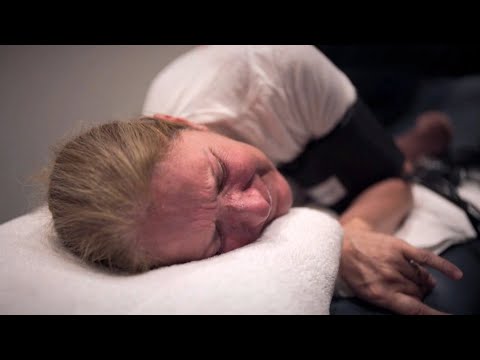
Living with LAM, or lymphangioleiomyomatosis, is like navigating a complex maze. This rare lung disease primarily affects women and can lead to serious challenges in daily life. Imagine your lungs as balloons—they need to be strong and flexible to help you breathe effortlessly. In LAM, the walls of these balloons become weakened, making it harder for air to flow in and out. Understanding this condition can empower you to manage its intricacies and embrace your health journey with confidence.
Each day may present unique hurdles, from breathlessness during activities you once enjoyed to managing healthcare visits that feel overwhelming. You might find that planning outings requires more thought and flexibility. But with knowledge, support, and a proactive mindset, many aspects of life can still be vibrant and fulfilling.
Warning: While living with LAM can be challenging, it’s essential not to rely on a single source for information about this condition. It’s crucial to consult various specialists—like pulmonologists and genetic counselors—and explore different media outlets for the most comprehensive understanding. Each person’s experience with LAM is unique; therefore, informed decisions made through diverse perspectives will help guide your path toward better health management. Remember: armed with knowledge, you’re stronger than you think!
The information provided in this article is intended solely for general informational and educational purposes. It does not constitute medical advice, diagnosis or professional treatment, and should not be considered a substitute for consultation with a qualified doctor or other licensed healthcare professional. Any health-related decisions should be made in consultation with accredited medical professionals.
While efforts have been made to ensure the information is accurate and up to date, no guarantees are given—either express or implied—regarding its accuracy, completeness, currency or suitability. Use of this information is at your own discretion.
It is strongly recommended to consult official sources such as the NHS (National Health Service) or other recognised medical institutions before acting on any information contained on this website or article. Under no circumstances should professional medical advice be ignored or delayed due to content read here.
This content is of a general and informational nature only. It is not intended to replace individualised guidance from a healthcare professional or to establish any doctor-patient relationship. The publication of this information does not imply any professional responsibility, guarantee or obligation on the part of the author or this site.
Unraveling the Impact of LAM on Lung Health and Function
Lymphangioleiomyomatosis, or LAM, is a rare lung disease primarily affecting women. It involves the growth of abnormal smooth muscle cells in the lungs. This can lead to the formation of cysts that disrupt normal lung function.
Over time, LAM can cause several challenges for those living with it. Symptoms often include shortness of breath, especially during physical activity. This is like trying to breathe through a straw when doing something active.
Another common issue is repetitive lung infections. The damaged lungs are less able to clear out bacteria and other harmful particles. This makes it easier for infections to take hold.
Diagnosis of LAM can be tricky. Symptoms might seem similar to other conditions like asthma or COPD (chronic obstructive pulmonary disease). A high-resolution CT scan is often used to identify cysts characteristic of LAM.
Treatment options focus on managing symptoms rather than curing the disease. Medication aimed at slowing down the progression may be prescribed for some patients. Lung transplants are an option in more severe cases but come with their own risks and considerations.
Living with LAM means adapting to new realities. Physical activities may need modification; some people find gentle exercises helpful while others may require oxygen support during exertion.
Support networks can play a critical role in managing this condition. Connecting with others who understand the challenges of LAM can provide emotional relief and practical advice.
Key points about living with LAM:
Understanding LAM helps demystify its impact on health and daily life. It also encourages proactive management strategies that enhance quality of life, even amidst challenges. Always consult healthcare professionals for personalized care and advice tailored to individual needs.
Nourishing Your Lungs: A Guide to Eating Well with LAM Lung Disease
Eating well can play an important role in managing health, especially for those living with lymphangioleiomyomatosis (LAM). LAM is a rare lung disease that can make breathing difficult. Although there’s no specific diet for LAM, certain foods may help support lung health.
Focus on Whole Foods: These are foods that are as close to their natural state as possible. Think fruits, veggies, whole grains, and lean proteins. They’re full of nutrients that your body needs.
Colorful Fruits and Veggies: Eating a rainbow of fruits and vegetables means you’re getting various vitamins and antioxidants. These help fight inflammation and support overall health.
Healthy Fats: Incorporate fats from sources like avocados, nuts, seeds, and olive oil. These fats can help reduce inflammation in your body.
The Importance of Hydration: Drinking plenty of water is crucial. Keeping hydrated helps thin mucus in the lungs, making it easier to breathe.
Avoid Processed Foods: These often contain preservatives or sugars that could lead to inflammation or other issues with lung health.
Simplifying Meals: Smaller, balanced meals spread throughout the day may be easier on your body than large meals. This can also help maintain energy levels.
Avoid Smoking & Pollutants: If you smoke or are around smoke, consider making changes. Pollutants can harm lung function further.
Remember that everyone’s body is different. What works for some might not work for others. Always consider talking to a healthcare provider before making significant changes to your diet or lifestyle.
Incorporating these dietary tips gently into daily life could improve overall well-being while living with LAM. It’s about nurturing your body so it can nurture your lungs!
Finding Strength and Hope in Everyday Life
Living with a lung disease, like LAM (Lymphangioleiomyomatosis), can feel overwhelming. It’s important to remember that you’re not alone on this journey. Many people face similar challenges and find ways to cope and thrive.
Finding strength in everyday life starts with understanding your condition. LAM is a rare lung disease that primarily affects women. It leads to the abnormal growth of smooth muscle cells in the lungs, which can create cysts and block airways. This can make breathing difficult over time.
Here are some ways to embrace hope while managing your health:
Finding joy in everyday moments is also crucial. This could mean spending time with loved ones, enjoying hobbies, or simply appreciating nature. These activities can boost your mood and provide a welcome distraction from health concerns.
It’s normal to have tough days too. Allow yourself the space to feel frustrated or sad about your diagnosis. Recognizing these feelings is part of healing.
Educating yourself about LAM is empowering. Knowledge helps you advocate for yourself during medical visits and ensures that you understand what’s happening in your body.
Finally, don’t hesitate to reach out for professional help if you need it—mental health support is just as important as physical health care.
In essence, finding strength and hope amidst challenges takes practice but is achievable. Embrace each small step forward; they all contribute to living a fulfilling life despite the hurdles LAM may present.
Living with Lymphangioleiomyomatosis (LAM) can be a profound journey filled with both challenges and insights. LAM is a rare lung disease that primarily affects women, leading to the growth of abnormal smooth muscle cells in the lungs. These cells can cause cysts, breathing difficulties, and an overall decline in lung function.
Understanding the Impact
For many diagnosed with LAM, the emotional toll can be just as significant as the physical symptoms. Breathing becomes a daily challenge, impacting everything from exercise to simple tasks like climbing stairs. This can lead to feelings of isolation or anxiety, especially when interacting with a society that may not fully understand the condition.
Building Support Systems
Connecting with others facing similar struggles is crucial. Support groups provide not only emotional backing but also practical advice on managing symptoms and navigating healthcare systems. Sharing experiences helps foster a sense of community that can alleviate feelings of loneliness.
Awareness and Advocacy
Education about LAM is vital—not just for those affected but for healthcare providers too. Increased awareness can lead to earlier diagnoses and better treatment options. Advocacy efforts help shine a light on research funding and support for individuals living with this complex condition.
Living Well
Despite its challenges, many find ways to lead fulfilling lives while managing their health. Engaging in hobbies, maintaining social connections, and prioritizing mental well-being are essential components of living well with LAM.
In summary, living with LAM requires resilience in the face of uncertainty. By fostering understanding, building supportive networks, and advocating for awareness, those affected can navigate their unique challenges while enriching their lives fully.