The information provided in this article is intended solely for general informational and educational purposes. It does not constitute medical advice, diagnosis or professional treatment, and should not be considered a substitute for consultation with a qualified doctor or other licensed healthcare professional. Any health-related decisions should be made in consultation with accredited medical professionals.
While efforts have been made to ensure the information is accurate and up to date, no guarantees are given—either express or implied—regarding its accuracy, completeness, currency or suitability. Use of this information is at your own discretion.
It is strongly recommended to consult official sources such as the NHS (National Health Service) or other recognised medical institutions before acting on any information contained on this website or article. Under no circumstances should professional medical advice be ignored or delayed due to content read here.
This content is of a general and informational nature only. It is not intended to replace individualised guidance from a healthcare professional or to establish any doctor-patient relationship. The publication of this information does not imply any professional responsibility, guarantee or obligation on the part of the author or this site.
Hey, have you ever thought about how much smoking affects your blood pressure? It’s more than just a habit; it can seriously sneak up on your health. Did you know that smoking can raise your blood pressure and make managing it a lot harder?
If you’re struggling with high blood pressure and find yourself reaching for cigarettes, this article is just for you. We’ll dive into effective strategies to help you quit smoking but not just to free up your lungs; it’s about taking charge of your heart health too.
High blood pressure is often called the “silent killer.” You might not even feel the effects until it’s too late. And let’s be honest, quitting smoking isn’t easy. It’s a journey filled with ups and downs, but understanding how these two issues connect can make all the difference.
This content is designed to give you practical steps while reminding you that it doesn’t replace professional medical advice. It’s always best to talk to a healthcare professional when making decisions about your health.
Let’s explore this together! Your heart will thank you.
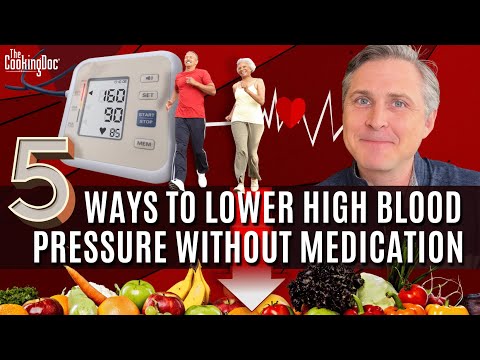
Discover simple techniques to lower your blood pressure quickly and effectively.
Understanding Blood Pressure
Blood pressure is the force of blood pushing against your arteries. Imagine a garden hose. When water flows through it, there’s pressure inside the hose. That’s similar to how blood moves in your body.
Your blood pressure is measured in two numbers: systolic and diastolic. Systolic is the pressure when your heart beats, while diastolic is when it rests between beats. Normal levels are typically around 120/80 mmHg.
Why Lowering Blood Pressure Matters
High blood pressure can lead to serious health issues like heart disease and stroke. It’s often called a “silent killer” because many people don’t realize they have it until it’s too late.
Managing it well can make a huge difference in your overall health and quality of life.
Simple Techniques to Consider
- Take Deep Breaths: Stress can spike your blood pressure, right? Deep breathing techniques can help calm you down quickly. Think of taking long, slow breaths—like filling a balloon slowly.
- Stay Hydrated: Drinking water might sound simple, but staying hydrated helps your heart pump more efficiently, lowering tension in blood vessels.
- Squeeze a Stress Ball: Sometimes our bodies just need a good release. Squeezing a stress ball not only distracts you but can physically relieve tension.
- Avoid Caffeine: If you know coffee revs you up, try skipping that second cup for the day. Too much caffeine may raise your blood pressure temporarily.
Tackling Smoking
If you’re smoking, quitting could be one of the most impactful changes for lowering high blood pressure over time. Smoking narrows your arteries and raises your heart rate—two things that increase pressure on those delicate vessels.
The Role of Exercise
You don’t need fancy equipment or gym memberships either! A brisk walk or even dancing around at home counts as exercise, which helps lower weight and improves cardiovascular health.
Your Diet Matters Too
- The DASH Diet:This stands for Dietary Approaches to Stop Hypertension. It focuses on fruits, vegetables, whole grains, and lean proteins—foods that are generally good for your body!
A Note on Change
Making small changes adds up over time! You don’t have to transform overnight; instead think about what feels manageable for you today.
Caution Around Myths
A lot of myths exist about quick fixes for high blood pressure—even special drinks or supplements that promise miracles don’t usually deliver what they claim. Always question those flashy promises!
Keeping Track
If you’re working on managing your blood pressure at home with these techniques consider keeping a journal with notes on how different habits affect you day by day—that way you’ll get better insights into what works best!
No single technique will suit everybody; it’s all personal! Try different things out and see what hits home for you as beneficial—after all living healthy should feel good too!
Simple Strategies to Lower Your Blood Pressure Fast
Understanding Blood Pressure
Blood pressure is the force of blood pushing against the walls of your arteries. It’s measured in millimeters of mercury (mmHg), with two numbers: systolic (top number) and diastolic (bottom number). When the pressure is too high, it can cause serious health problems. Managing high blood pressure is crucial.
Why Smoking Affects Blood Pressure
Smoking raises blood pressure immediately after you light up. It’s like putting a strain on a balloon; it stretches and becomes weaker over time. Nicotine makes your heart beat faster and narrows your blood vessels, which can increase blood pressure even more.
If you’re looking to lower your blood pressure quickly, there are some strategies that might help. These aren’t replacements for ongoing medical treatment but can be supportive measures.
1. Take Deep Breaths
Taking deep breaths can help calm your nervous system. Try inhaling through your nose for a count of four, then exhaling through your mouth for six counts. This simple practice helps relax both body and mind.
2. Hydrate Well
Drinking water can help dilute sodium in your body, which may aid in lowering blood pressure levels. Sometimes even mild dehydration can ramp up those numbers! Aim to drink water throughout the day.
3. Get Moving
If you’re able, try a brisk walk or some light exercise like stretching or yoga. Movement increases circulation and may help bring down stress levels—both good for heart health!
4. Eat Dark Chocolate
A small amount of dark chocolate is believed to have heart-health benefits due to its flavonoids content, which might help relax blood vessels—just remember moderation here!
The Role of Quitting Smoking
If you smoke, giving it up could have significant benefits for lowering blood pressure long-term. When you quit smoking, it’s like removing that extra weight on your balloon—it allows everything inside to function better.
- You might notice gradual improvements in circulation.
- Your heart rate will stabilize over time.
- Your risk for various diseases decreases significantly.
Coping with Nicotine Cravings
Cigarette cravings can be tough to manage at first; it’s kind of like trying to resist sugary snacks when you’re trying to eat healthy! Consider distractions such as chewing gum or going for a walk when cravings hit.
Cherishing Small Wins
No matter how overwhelming it feels at times, remember that every tiny step counts towards better health! Reducing stressors like smoking improves not just blood pressure but overall well-being as well.
If you ever feel uncertain or if things get tricky, talking to someone—a friend or a health professional—can be really beneficial too! Stay positive; progress often comes in waves rather than straight lines!
Discover a simple technique to help you feel calm and in control.
Feeling Calm and in Control
Managing stress can be really important for your overall health. When life gets hectic, it’s easy for blood pressure to sneak up. You know, sometimes we forget how much our daily choices affect us.
The Power of Breathing
One simple technique to help you feel more calm is focused breathing. It’s like giving yourself a little mini-vacation right where you are.
Here’s how: take a deep breath in through your nose, filling your lungs completely. Hold that breath for just a moment, then exhale slowly through your mouth. Feels good, doesn’t it?
Why It Matters
This technique signals your body to relax. Stress tends to raise blood pressure; by calming yourself down, you might help keep those numbers in check.
You may think of it like hitting the reset button on your computer when things get too slow or jammed. The same goes for our minds!
A Practical Example
Picture this: you’re at work and feeling overwhelmed by tasks piling up. While sitting at your desk, pause for a few moments and try focused breathing.
- Breathe in slowly.
- Hold it briefly.
- Exhale fully.
If you do this five times, you’ll often find some peace returning quickly. It’s not magic; it’s just an effective way to regain control and clarity.
Coping with Smoking Cravings
If you’re trying to quit smoking, stress might feel even more intense at times. Using breathing techniques like this can be handy when cravings hit as well.
Think of cravings like waves at the beach—they come on strong but they do pass if you wait them out!
The Bigger Picture
This is just one part of managing high blood pressure or quitting smoking. Other strategies include staying active and eating well—both play vital roles too!
A Mindful Approach
Staying present is crucial here, so think about taking moments throughout the day for mindful breathing—even when you’re not stressed!
Look around and notice what’s happening around yóu; engage all your senses. This practice builds resilience against stress over time—like strengthening muscles with regular exercise!
Your Path Forward
The journey towards managing high blood pressure or quitting smoking takes time and effort—it’s okay if progress feels slow sometimes! Just remember that small steps add up over time.
- Tune into how you feel.
- Practice focused breathing regularly.
- Consider reaching out for support from friends or resources if needed.
No one has to go through these changes alone; there are lots of ways to find community on this path! In essence, being calm amidst life’s chaos makes controlling those health challenges much easier—it’s all about finding what works best for you!
Managing High Blood Pressure: Effective Strategies to Quit Smoking
High blood pressure, or hypertension, can be a silent but dangerous condition. It puts strain on your heart and blood vessels, leading to serious health issues. One significant factor that can worsen high blood pressure is smoking. So, if you’re dealing with hypertension, quitting smoking is essential.
When you smoke, the chemicals in cigarettes can raise your heart rate and constrict your blood vessels. This makes it harder for your body to manage blood pressure effectively. The good news? Quitting smoking can lead to immediate benefits for your cardiovascular health.
Setting Your Quit Date
A key strategy is to set a quit date. Pick a day within the next couple of weeks and stick to it. This gives you time to prepare mentally and physically without dragging out the process.
Find Your Support System
Having support from friends, family or even support groups really helps when trying to quit smoking. Talking about your struggles makes it less lonely and keeps you accountable.
Nicotine Replacement Therapy (NRT)
NRT options like patches or lozenges help manage cravings by providing small doses of nicotine without harmful smoke. It’s like giving your body the fix it’s used to, while gradually lowering the amount as you taper off.
Behavioral Strategies
Cognitive-behavioral strategies are also useful in breaking the habit. For example, identify triggers that make you want to smoke—like stress or certain places—and develop coping mechanisms that don’t involve cigarettes.
Regular Physical Activity
Another effective approach? Exercise! Regular physical activity not only helps regulate weight but also lowers stress levels. Plus, getting active can distract you from cravings!
A Healthy Diet
You might want to consider maintaining a balanced diet rich in fruits and vegetables as they benefit overall cardiovascular health too. Eating well can also help distract from cravings by keeping your mind occupied with healthy choices.
The journey of quitting smoking isn’t always smooth sailing; there may be setbacks along the way! But remember that every step taken toward quitting counts and contributes positively towards managing high blood pressure effectively.