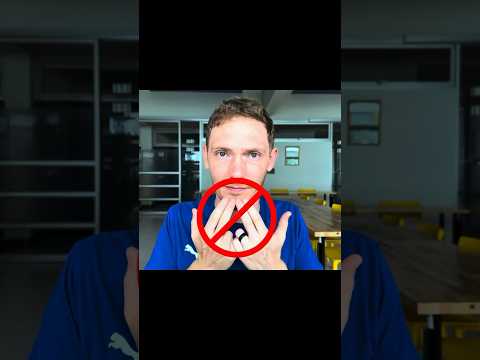
Master whistling is more than just a playful pastime; it’s an art form that can bring joy, creativity, and even a touch of magic to daily life. Imagine effortlessly producing melodious tunes or sharp calls that can communicate across distances. Whistling connects us to nature, helps in musical expression, and offers a unique way to engage with friends and family.
Want to unlock your inner whistler? There are four fun techniques you can try today! Each method has its own charm and learning curve, making it easy for anyone—from beginners to seasoned whistlers—to find their groove. You’ll discover how to produce sounds using different parts of your mouth, lips, or even fingers, allowing for endless variation.
However, it’s important to approach this new skill with realistic expectations. Not everyone will master these techniques immediately; practice is key! Also, before diving into advanced methods or using tools like whistles or reeds, please consult various specialists and reliable resources. This ensures you’re safe while honing your skills. Remember, everyone learns at their own pace—enjoy the journey!
The information provided in this article is intended solely for general informational and educational purposes. It does not constitute medical advice, diagnosis or professional treatment, and should not be considered a substitute for consultation with a qualified doctor or other licensed healthcare professional. Any health-related decisions should be made in consultation with accredited medical professionals.
While efforts have been made to ensure the information is accurate and up to date, no guarantees are given—either express or implied—regarding its accuracy, completeness, currency or suitability. Use of this information is at your own discretion.
It is strongly recommended to consult official sources such as the NHS (National Health Service) or other recognised medical institutions before acting on any information contained on this website or article. Under no circumstances should professional medical advice be ignored or delayed due to content read here.
This content is of a general and informational nature only. It is not intended to replace individualised guidance from a healthcare professional or to establish any doctor-patient relationship. The publication of this information does not imply any professional responsibility, guarantee or obligation on the part of the author or this site.
Uncover the Secrets to Mastering the Perfect Whistle
Whistling is a fun and expressive skill that many people enjoy. It’s often used to get attention, signal someone, or simply to enjoy music. Mastering the perfect whistle can seem tricky, but it’s all about practice and technique.
First, let’s explore the basic technique. You can start by forming your lips together tightly. Then, blow gently through them while keeping your tongue positioned close to the roof of your mouth. Think of it like blowing air through a narrow straw — the more focused your airflow, the clearer the sound.
Here are four fun techniques to try:
Practicing these techniques can improve both control and sound quality over time. Just like learning any musical instrument, it requires patience.
Don’t be discouraged if you don’t get it right away. Everyone has different mouth shapes and airflow patterns which means what works for one might not work for another.
A few tips for practice:
Remember that whistling should be enjoyable! It’s okay if you need time to master these techniques. Enjoy the process as much as reaching that perfect note!
Master the Art of Whistling Like a Pro with Just Four Fingers
Whistling is a fun and expressive way to make music or communicate. But did you know that you can master it using just four fingers? Let’s dive into some techniques to help you whistle like a pro.
First, choose your fingers. Most people find that using their index and middle fingers works best. Positioning is key. Place them in your mouth, with the tips touching your tongue.
Next, let’s talk about mouth shape. Your lips should form a small “O” shape. This helps produce a clearer sound. Think of it as blowing through a small tube, like sipping from a straw.
Practice the blow. Gently blow air through the small opening between your fingers and lips. The airflow creates vibrations, which produce sound. If it doesn’t work at first, don’t worry! It takes time to get it right.
Here are some tips to help improve your whistling:
You can also try different pitches by altering how much air you push out. A harder blow creates higher notes while lighter blows yield softer tones.
Lastly, remember that practice is essential. Just like learning an instrument, whistling gets easier over time with regular effort.
Whistling can be entertaining and even useful for grabbing someone’s attention from afar! So grab those fingers and start practicing today—it could become one of your favorite hobbies!
Unlock the Joy of Whistling with These Four Easy Techniques to Practice Today
Whistling is a delightful skill that many enjoy. It’s not just for the birds! Learning to whistle can also be a fun way to express yourself and boost your mood. Here are four easy techniques to help you master whistling.
1. The Basic Pucker Whistle
This is the classic whistling method. Start by shaping your lips into a small “O” shape, like you’re about to take a sip of soda. Then, blow gently through your lips. If you don’t get a sound at first, don’t worry! Adjust the tightness of your lips and try again.
2. The Finger Whistle
For this technique, you’ll use fingers to help create sound. Place one or two fingers in your mouth, pressing against your tongue while forming an “O” shape with your lips around them. Blow through that opening while keeping everything tight and controlled. It might take some practice, but it can result in a loud, clear whistle!
3. The Tongue Whistle
This method involves manipulating your tongue position inside your mouth. Start by placing the tip of your tongue against the roof of your mouth while keeping it slightly arched backward. Then blow air over it while keeping tension in both the tongue and lips.
4. The Pitch Control Technique
Once you’re comfortable with whistling, try changing pitch! You can do this by adjusting how much air you blow and altering the shape of your lips as you whistle different notes. Play around with melodies or songs that you enjoy!
Whistling isn’t just about making noise; it’s also a way to improve lung capacity and control breath flow over time—similar to singing exercises! Remember, practice is key here.
Don’t hesitate if you feel frustrated in learning these techniques; mastering them takes time and patience! Enjoy the journey of finding joy through whistling—it can be fun!
“Master Whistling: Four Fun Techniques to Try Today” offers a delightful exploration of a skill that many might overlook. Whistling is not just an art; it’s also a great way to enhance your communication, express creativity, and even relieve stress.
The techniques outlined provide clear and engaging methods for everyone, regardless of their initial skill level. This inclusivity makes the practice approachable and encourages readers to explore their unique sound.
What stands out is how whistling can serve as a playful outlet. It’s reminiscent of childhood games, often invoking nostalgia while allowing individuals to reconnect with their inner child. Through practice, one can develop not only proficiency but also confidence.
In summary, this guide reminds us that sometimes, exploring something seemingly simple can lead to joy and satisfaction. Embracing new challenges like whistling enriches our lives in unexpected ways.