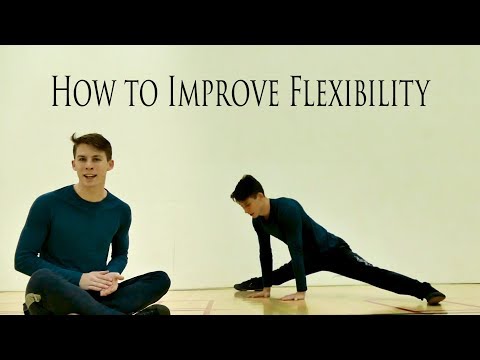
Have you ever felt like your body could move more freely, but something held you back? Proprioceptive Neuromuscular Facilitation (PNF) stretching might be the key to unlocking that potential. This technique combines stretching and contracting, aiming not just for flexibility but also for strength. Think of it as a gentle conversation between your muscles and your nervous system, guiding each part of your body to work together harmoniously.
PNF stretching can enhance mobility and improve athletic performance. By incorporating this method into your routine, you may experience a newfound range of motion. Just imagine being able to reach for that top shelf or bend down effortlessly!
However, it’s essential to approach PNF stretching with care. Be aware that improper techniques or overzealous attempts can lead to strains or injuries instead of benefits. Before diving into these practices, it’s wise to consult multiple sources—such as physical therapists, trainers, or reputable fitness literature—to ensure you’re informed and practicing safely.
Exploring PNF can be exciting and beneficial when done correctly. So let’s embark on this journey towards better flexibility and strength—together!
The information provided in this article is intended solely for general informational and educational purposes. It does not constitute medical advice, diagnosis or professional treatment, and should not be considered a substitute for consultation with a qualified doctor or other licensed healthcare professional. Any health-related decisions should be made in consultation with accredited medical professionals.
While efforts have been made to ensure the information is accurate and up to date, no guarantees are given—either express or implied—regarding its accuracy, completeness, currency or suitability. Use of this information is at your own discretion.
It is strongly recommended to consult official sources such as the NHS (National Health Service) or other recognised medical institutions before acting on any information contained on this website or article. Under no circumstances should professional medical advice be ignored or delayed due to content read here.
This content is of a general and informational nature only. It is not intended to replace individualised guidance from a healthcare professional or to establish any doctor-patient relationship. The publication of this information does not imply any professional responsibility, guarantee or obligation on the part of the author or this site.
Unlocking Flexibility: Discover the Best PNF Stretching Technique for Your Routine
Flexibility is an important aspect of overall fitness. It helps improve your range of motion, enhance performance, and reduce the risk of injury. One effective method to boost flexibility is called PNF stretching.
PNF stands for Proprioceptive Neuromuscular Facilitation. It’s a stretching technique that combines passive stretching and isometric contractions. This may sound complex, but it can be broken down into simple steps.
First, let’s consider how PNF works. Imagine your muscles are like rubber bands. When you stretch them gently, they lengthen. But with PNF, you first contract the muscle to create tension before relaxing it into a deeper stretch.
Here’s a breakdown of a common PNF technique:
This cycle can be repeated several times. It’s often helpful to work in pairs so that someone else can provide resistance during contraction.
The benefits? Enhanced flexibility and strength in muscles used during sports or daily activities. Interestingly, research suggests that this method may yield faster improvements compared to static stretching alone.
However, remember that everyone’s body is different. What works best for one person might not be right for another. It’s essential to listen to your body when trying any new technique.
Some myths surrounding stretching need addressing too. For instance, many believe that stretching should always hurt to be effective—this isn’t true! You should never feel sharp pain; discomfort is normal but should always be controlled.
Incorporating PNF stretching into your routine can effectively unlock greater flexibility over time. Just like learning any new skill, consistency is key! Start slowly and see how your body responds before making it a regular part of your workout plan.
As always, if you’re unsure or have specific concerns about introducing new stretches into your routine, consider talking with someone who knows your personal health needs better before diving in fully.
Exploring the Benefits of Proprioceptive Neuromuscular Facilitation for Muscle Power
Proprioceptive Neuromuscular Facilitation (PNF) is a technique originally developed for rehabilitation. It focuses on improving flexibility and strength through specific stretching methods.
At its core, PNF combines stretching and contracting your muscles. This method is often done in pairs, where one person assists the other. By engaging both the muscle and the nervous system, it helps enhance overall muscle power.
Here are some benefits of PNF for muscle power:
Another way to think about PNF is like tuning a guitar. Just as adjusting tension improves sound quality, PNF fine-tunes how muscles work together.
Research shows that using PNF techniques can lead to better flexibility compared to traditional static stretching alone. It’s often favored by athletes looking to improve performance.
However, it’s important to approach PNF with caution. It’s crucial not to push beyond your limits to avoid injury. Always listen to your body’s signals.
Many people wonder about when and how often they should do PNF stretches. Including it in a regular fitness routine—such as after workouts—can provide benefits without excessive strain.
Remember that everyone’s body responds differently. What works for one person may not work for another. It’s always okay to try different approaches until you find what suits you best.
Before starting any new exercise or stretching routine, consider consulting with a knowledgeable individual about proper techniques and personalized advice.
In summary, Proprioceptive Neuromuscular Facilitation is a helpful tool for enhancing muscle power along with flexibility. By engaging both your muscles and nervous system through targeted stretches, you can unlock new potential in your physical abilities while keeping safety in mind.
Unlocking Your Body’s Potential: Discover the Power of PNF Stretching Techniques
Unlocking your body’s potential is vital for enhancing flexibility and strength. One effective method to explore is PNF stretching, which stands for Proprioceptive Neuromuscular Facilitation.
PNF stretching originally came from rehabilitation settings, but it has found its way into fitness routines. It combines stretching and contracting of the muscle groups to improve overall flexibility.
Think of your muscles like a rubber band. When you pull on a rubber band gently, it stretches more easily. PNF stretching works on this principle but involves both stretching and contracting the muscles to achieve better results.
Here are some key points about PNF stretching:
To practice PNF, you typically need a partner or a wall for support. Let’s break down the hold-relax method:
1. Start by getting into a comfortable stretch position.
2. Hold the stretch for about 20 seconds.
3. Then, gently push against your partner’s hand without moving for about 5 seconds while breathing normally.
4. After that phase of contraction, relax your muscles completely.
5. Finally, deepen the stretch for another 20 seconds.
This process allows you to engage your muscles in an active way before relaxing them even more deeply.
While PNF can be beneficial for increasing flexibility and strength, it’s crucial to listen to your body. If something feels too intense or painful, ease up on the pressure.
Remember that warming up before any kind of stretch is essential. Just like you wouldn’t dive into cold water without getting used to it first!
Debunking a common myth: Some people believe that intense stretching can prevent injuries entirely; however, that’s not quite accurate. Flexibility helps but should be part of an overall training plan that includes strength training and rest periods.
In conclusion, incorporating PNF stretching techniques can potentially unlock greater flexibility in your routine. Approach this with patience and commitment while enjoying the journey toward better movement!
Mastering Proprioceptive Neuromuscular Facilitation (PNF) stretching presents an opportunity to enhance both flexibility and strength through guided muscle contractions and stretches. This method, originally developed for rehabilitation, has gained popularity in various fitness realms due to its effectiveness.
One key aspect of PNF stretching is the collaboration between the practitioner and the individual. This partnership encourages a deeper level of body awareness, making it easier to recognize personal limits and potential. Using techniques such as alternating contraction and relaxation phases can increase range of motion significantly compared to static stretching alone.
Furthermore, PNF stretching exemplifies the principle of overload in flexibility training. By incorporating rhythmic contractions followed by passive stretch phases, muscles are not only lengthened but also conditioned to be stronger at those extended lengths. This dual benefit is especially useful for athletes or individuals looking to improve their performance.
However, it’s crucial to approach PNF stretching mindfully. Overdoing it can lead to strains or injuries. Always listen to your body’s feedback during these sessions; discomfort is normal but pain indicates it’s time to ease up.
In summary, embracing PNF stretching can be a powerful addition to any fitness or rehabilitation program. It fosters not only physical improvements but also a greater connection between movement and mindfulness—an essential element in maintaining long-term health and wellness.