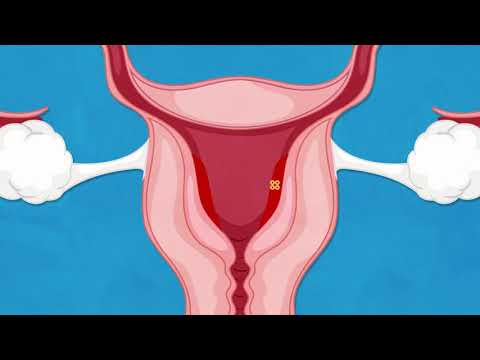
Mifepristone, often recognized as the “abortion pill,” is a medication that plays a vital role in reproductive health. Understanding its uses, side effects, and potential interactions can empower individuals to make informed decisions. This medication isn’t just a singular solution; it’s part of a broader conversation about healthcare choices.
In this article, we’ll delve into how mifepristone works, what to expect when using it, and what side effects may arise. We’ll also touch on how it interacts with other medications and conditions. By shedding light on these aspects, we hope to promote awareness and understanding.
However, it’s crucial to approach this topic responsibly. Mifepristone is not for everyone, and its use should always be guided by qualified professionals. This medication is powerful and should be taken with proper medical oversight. It’s wise to consult multiple sources—healthcare providers, reputable websites, and support groups—to ensure you get a well-rounded perspective. Your health decisions are personal; make sure they are informed ones!
The information provided in this article is intended solely for general informational and educational purposes. It does not constitute medical advice, diagnosis or professional treatment, and should not be considered a substitute for consultation with a qualified doctor or other licensed healthcare professional. Any health-related decisions should be made in consultation with accredited medical professionals.
While efforts have been made to ensure the information is accurate and up to date, no guarantees are given—either express or implied—regarding its accuracy, completeness, currency or suitability. Use of this information is at your own discretion.
It is strongly recommended to consult official sources such as the NHS (National Health Service) or other recognised medical institutions before acting on any information contained on this website or article. Under no circumstances should professional medical advice be ignored or delayed due to content read here.
This content is of a general and informational nature only. It is not intended to replace individualised guidance from a healthcare professional or to establish any doctor-patient relationship. The publication of this information does not imply any professional responsibility, guarantee or obligation on the part of the author or this site.
Understanding the Potential Risks and Reactions of This Medication
Mifepristone is a medication that has gained attention for its role in reproductive health. Understanding its potential risks and reactions is crucial for anyone considering it.
First, let’s look at how mifepristone works. It blocks the hormone progesterone, which is needed for pregnancy to continue. This action leads to the termination of early pregnancy. However, like any medication, it can have side effects.
Common Side Effects: Users may experience various side effects after taking mifepristone. These can include:
These side effects are often temporary but can be uncomfortable.
In some cases, more serious reactions can occur. It’s important to be aware of these to ensure safety.
Serious Risks: While rare, these risks include:
If anyone experiences heavy bleeding or severe pain, it’s critical to seek medical help right away.
Interactions with other medications should also be considered. Certain drugs may alter how mifepristone works or increase the chance of side effects. Always discuss any medications you’re taking with a healthcare provider before using mifepristone.
Misinformation about Mifepristone: There are many myths surrounding this medication. For example, some believe it causes immediate termination of pregnancy without any follow-up care needed. This isn’t true; follow-up appointments are essential to check on your health and ensure the desired outcome is achieved safely.
Understanding the full picture of mifepristone’s potential risks helps individuals make informed choices about their reproductive health. Always engage in open conversations with trusted healthcare providers to clarify questions and concerns regarding this medication or any other health decisions.
Uncovering the Risks and Considerations of Combining Misoprostol with Other Medications
When discussing medication, it’s crucial to understand how different drugs can interact with each other. Misoprostol, often used for various medical conditions, is one such medication that often raises questions when combined with others.
Misoprostol is primarily known for its use in inducing labor and managing miscarriage. It can also help prevent stomach ulcers in certain patients. However, many people might not realize that combining misoprostol with other medications can lead to unexpected effects.
Here are some key points to consider:
Combining medications often involves considering their side effects as well. For instance, misoprostol may cause cramping and diarrhea. If you’re taking something else that has gastrointestinal side effects, it could be an uncomfortable mix.
Individual Responses Vary. Everyone’s body responds differently to medications. What works well for one person might not be suitable for another. This variability emphasizes the importance of personalized medical guidance.
It’s also essential to be aware of potential allergies or pre-existing health conditions before starting any new medication regimen.
In addition, the timing of doses matters too. Taking more than one medication at once can change how they work in your body or enhance side effects.
In conclusion, while misoprostol offers significant benefits in specific situations, understanding how it interacts with other drugs is vital for safety and effectiveness. Always having an open conversation about your medications with a healthcare provider ensures you make informed decisions tailored to your unique health needs.
Essential Tips for a Smooth Recovery After Mifepristone Use
Recovery after using mifepristone is an important time. Taking care of yourself can help make this process smoother. Here are some tips to consider.
Listen to your body. Everyone’s experience is different. Some may feel fine while others might feel unwell. Pay attention to how you’re feeling and don’t hesitate to rest when needed.
Stay hydrated. Drinking plenty of water is essential. Think of your body like a plant; it needs water to thrive. Staying hydrated can help alleviate some discomfort.
Focus on a balanced diet with fruits, vegetables, and whole grains. Good nutrition supports healing and can make you feel stronger overall.
Avoid strenuous activities. Physical exertion can be taxing during recovery. If you can, opt for gentle activities like walking or stretching instead of intense workouts.
Be mindful of medications.
If you’re taking any other medicines, make sure they don’t interact with mifepristone. Always check with a healthcare provider if unsure.
Create a support system. Surround yourself with trusted friends or family during this time. Having someone to talk to or lend a hand can be very comforting.
While some cramping and bleeding may occur, severe symptoms should not be ignored. Reach out for medical advice if something feels off.
Finally, remember that taking care of your emotional health is just as important as your physical health during recovery. Activities like journaling or chatting with supportive friends can assist in processing feelings that may arise.
By following these tips, you create a nurturing environment for yourself post-mifepristone use. It’s about being gentle with yourself and seeking support when needed.
Mifepristone is a medication primarily used for medical abortion, but it also has applications in managing certain conditions, such as Cushing’s syndrome. Understanding its uses, side effects, and interactions is essential for informed decision-making.
Uses: Mifepristone works by blocking the hormone progesterone, which is necessary for pregnancy to continue. It is often part of a two-drug regimen that includes misoprostol to effectively induce a miscarriage during early pregnancy. Moreover, in higher doses, it can be utilized to treat Cushing’s syndrome by reducing cortisol levels.
Side Effects: Like any medication, mifepristone comes with potential side effects. Common ones include nausea, vomiting, diarrhea, and abdominal pain. Some may experience heavy bleeding or cramping as part of the abortion process. While serious complications are rare, awareness and monitoring are critical.
Interactions: Mifepristone can interact with other medications. It’s vital to disclose all current medications to healthcare providers before starting mifepristone. Certain drugs affecting liver enzymes can alter how mifepristone works in the body.
In conclusion, understanding the diverse aspects of mifepristone empowers patients and advocates alike to make responsible health choices. Open conversations with healthcare professionals about any concerns can ensure safe and effective use of this medication.