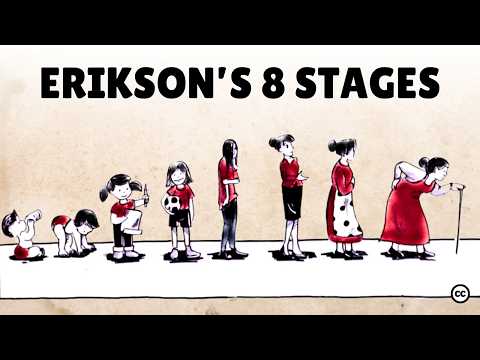
Navigating the stages of psychosocial development is like traversing a vast landscape of human growth. Each stage presents unique challenges and opportunities that shape our identities and relationships. Think of it as a voyage, where each stop represents a crucial lesson learned about ourselves and the world around us. From childhood through old age, every phase invites us to reflect on who we are and how we connect with others.
Imagine climbing a mountain: as you ascend, each level offers different views and experiences that inform your overall journey. For instance, during adolescence, individuals face the quest for identity—an exhilarating yet daunting task akin to standing at the edge of a cliff, contemplating what lies ahead.
However, while this journey can be enlightening, it is essential to approach it with care. **Navigating the stages of psychosocial development is complex**; oversimplifying these phases can lead to misunderstandings or misguided choices. Each person’s experience is distinct, shaped by personal history and cultural contexts. Therefore, it’s crucial to seek information from various specialists—such as psychologists or counselors—and consume varied media sources to gain a well-rounded understanding.
Remember, no single path fits everyone perfectly. Stay curious and open-minded; your journey through these stages should be informed by different perspectives that resonate with your unique experience.
The information provided in this article is intended solely for general informational and educational purposes. It does not constitute medical advice, diagnosis or professional treatment, and should not be considered a substitute for consultation with a qualified doctor or other licensed healthcare professional. Any health-related decisions should be made in consultation with accredited medical professionals.
While efforts have been made to ensure the information is accurate and up to date, no guarantees are given—either express or implied—regarding its accuracy, completeness, currency or suitability. Use of this information is at your own discretion.
It is strongly recommended to consult official sources such as the NHS (National Health Service) or other recognised medical institutions before acting on any information contained on this website or article. Under no circumstances should professional medical advice be ignored or delayed due to content read here.
This content is of a general and informational nature only. It is not intended to replace individualised guidance from a healthcare professional or to establish any doctor-patient relationship. The publication of this information does not imply any professional responsibility, guarantee or obligation on the part of the author or this site.
Uncovering the Journey of Human Growth and Change
Human growth and change is a lifelong journey. Each stage of our lives brings different challenges and opportunities. Understanding these stages helps us navigate our psychosocial development.
Psychosocial development is how we evolve emotionally and socially. It involves interacting with others and forming our identity through experiences.
The first stage occurs in infancy, focusing on trust versus mistrust. Babies learn to trust caregivers to meet their needs. If this goes well, they feel safe in the world.
As toddlers grow, they face autonomy versus shame. They start asserting independence, like wanting to dress themselves or explore their surroundings. Supportive parenting fosters confidence.
In early childhood, the initiative versus guilt stage emerges. Kids want to take charge of their play and activities. When encouraged, creativity blossoms; if stifled, they might feel guilty about their desires.
School age children experience industry versus inferiority. They learn skills critical for success in school and friendships. Positive reinforcement builds a sense of competence; criticism can lead to feelings of inadequacy.
Adolescence introduces identity versus role confusion. Teens explore who they are and where they fit in society. This is a critical time for self-discovery but can also be confusing as peer influence looms large.
In young adulthood, intimacy versus isolation takes center stage. Forming deep connections with others becomes crucial for emotional health. Success leads to strong relationships; failure can result in loneliness.
The middle adulthood stage focuses on generativity versus stagnation. Adults seek ways to contribute to society or nurture the next generation through work or family life.
Finally, later adulthood centers around integrity versus despair. Reflecting on life achievements helps individuals find peace or regret over missed opportunities can lead to distress.
Recognizing these stages allows us to better understand ourselves and others during life’s transitions. Healthy relationships, supportive environments, and open communication foster growth at every age.
Overall, each phase has its unique importance that shapes who we are as individuals within a community. Life is an evolving process filled with learning opportunities!
Mastering the Journey of Growth: A Simple Guide to Erikson’s 8 Stages
Erik Erikson, a psychologist, proposed a theory about our psychological growth. He described 8 stages of development that we each go through from infancy to late adulthood. Each stage presents a challenge or conflict that helps shape who we are.
The first stage is **Trust vs. Mistrust**. This occurs in infancy. Babies learn to trust their caregivers for basic needs like food and comfort. If their needs are met consistently, they grow up feeling safe and secure.
Next is **Autonomy vs. Shame and Doubt**, which happens in toddlerhood. Kids start to explore their independence by doing things themselves, like potty training or dressing up. If encouraged, they build confidence; if criticized, they may feel ashamed of their abilities.
In early childhood, children face **Initiative vs. Guilt**. They begin to take initiative in play and social activities. Success here leads to a sense of purpose; failure can result in feelings of guilt when they overstep boundaries.
Later on comes **Industry vs. Inferiority**, usually in school-age years. Children learn new skills and tools through education and social interactions. Positive reinforcement helps them feel industrious; negative experiences can lead them to feel inferior compared to peers.
As adolescents enter the stage of **Identity vs. Role Confusion**, they seek out who they are and where they fit into the world. Exploring different roles helps form a stable identity; confusion can occur if they’re pressured into conforming too early.
In young adulthood, the focus shifts to **Intimacy vs. Isolation**. Here, individuals seek deep connections with others—friends or partners—while balancing personal goals. Successful relationships lead to intimacy; failure can result in feelings of isolation.
The seventh stage is **Generativity vs. Stagnation**, typically during middle age. People reflect on their contributions to society—whether through parenting, work, or other activities that benefit others—seeking fulfillment rather than feeling stagnant.
Finally, there’s **Integrity vs. Despair** in late adulthood. Individuals look back at their lives with reflection and acceptance or regret about how they’ve lived it out so far—considering if they’ve achieved what they set out to do.
Each stage builds on the previous ones, influencing personal development throughout life’s journey. Understanding these stages can empower us as we navigate our own paths and support others along theirs.
This way, we foster growth both for ourselves and those around us!
Unlocking the Secrets of Human Growth Through Life’s Eight Key Stages
Understanding human growth can feel like piecing together a puzzle. Each piece represents different stages we go through in life. These stages, influenced by our experiences and relationships, shape who we are.
One popular framework that helps illustrate this journey is Erik Erikson’s theory of psychosocial development. It outlines eight key stages—from infancy to late adulthood—each presenting unique challenges and opportunities.
These eight stages emphasize how crucial our experiences are in shaping us into who we become. Life isn’t just about physical growth; it’s also about emotional and social development.
Each phase presents its own hurdles that we must navigate carefully but also encourages personal growth through overcoming them.
Cultivating awareness during these stages can help us better understand ourselves and others as we move through life.
Life’s journey is ongoing—we never stop growing or learning from our experiences! Recognizing where you are in these stages can provide insight into your behaviors and motivations.
By embracing each moment coursefully, you can steer your own developmental path with greater awareness and intention.
Navigating the stages of psychosocial development is a profound journey that every individual undergoes from infancy to late adulthood. This framework, introduced by Erik Erikson, emphasizes the importance of social relationships and personal experiences in shaping our identity.
Trust vs. Mistrust sets the stage in infancy, where consistent care fosters a sense of security. As we move into early childhood, Initiative vs. Guilt highlights how children learn to assert themselves while balancing societal expectations.
In adolescence, Identity vs. Role Confusion becomes crucial as individuals explore who they are and their place in the world. This exploration can be tumultuous but is essential for developing a strong sense of self.
Transitioning into adulthood, Intimacy vs. Isolation reflects our ability to form deep relationships and commit to others—an important aspect of mental health and fulfillment. As we age into later adulthood, Integrity vs. Despair, we reflect on our lives, seeking meaning and acceptance of our experiences.
Understanding these stages encourages us to recognize that psychological growth is not linear but rather a dynamic process influenced by our interactions and environment. It’s essential to approach these stages with empathy toward ourselves and others, as everyone’s journey unfolds uniquely based on their circumstances.
Ultimately, this knowledge empowers us to support those in various life stages better—whether through active listening or providing encouragement—as we all navigate the complexities of human development together.