The information provided in this article is intended solely for general informational and educational purposes. It does not constitute medical advice, diagnosis or professional treatment, and should not be considered a substitute for consultation with a qualified doctor or other licensed healthcare professional. Any health-related decisions should be made in consultation with accredited medical professionals.
While efforts have been made to ensure the information is accurate and up to date, no guarantees are given—either express or implied—regarding its accuracy, completeness, currency or suitability. Use of this information is at your own discretion.
It is strongly recommended to consult official sources such as the NHS (National Health Service) or other recognised medical institutions before acting on any information contained on this website or article. Under no circumstances should professional medical advice be ignored or delayed due to content read here.
This content is of a general and informational nature only. It is not intended to replace individualised guidance from a healthcare professional or to establish any doctor-patient relationship. The publication of this information does not imply any professional responsibility, guarantee or obligation on the part of the author or this site.
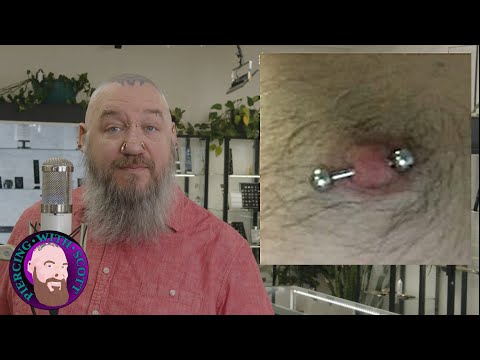
Have you ever thought about getting your nipple pierced? It’s becoming pretty common, but it does come with some risks. Like, did you know that infections can happen even with proper care?
It’s important to understand what could go wrong. Nipple piercings can lead to infections if not properly cared for, and that can be pretty uncomfortable. You might experience redness, swelling, or even more serious symptoms that could make you think twice about your new accessory.
This article will explore the ins and outs of nipple piercing infections—what to look for and how to treat them if they happen. We’ll break down the common signs of infection so you can catch any issues early on. Understandable treatment options will also be discussed.
Remember, though—this information isn’t a substitute for professional medical advice. Always consult a healthcare professional when it comes to health decisions; don’t take chances with your body!
Navigating the Dilemma of Infected Piercings: When to Seek Help
Having a nipple piercing can be a fun way to express yourself, but sometimes things don’t go as planned. Infections can happen, and they can be quite concerning. So, what should you look out for? It’s important to recognize the symptoms early on.
What are the Symptoms of an Infected Nipple Piercing?
First off, pay attention to redness and swelling around the piercing site. It’s like your body’s way of saying, “Hey, something’s not right here.” Now, some tenderness or pain is normal after getting a piercing. But if it’s increasing instead of getting better—well, that’s a red flag.
Sometimes there might be discharge from the pierced area. If it’s thick, greenish or yellowish—definitely not good news! You know how pus looks? That’s a straightforward sign something could be wrong.
When Should You Consider Seeking Help?
If you notice these symptoms persisting for more than a couple of days or getting worse? That’s when it might be time to consult someone who knows about these things. It’s like ignoring warning lights in your car; eventually, it’ll need attention.
If you have fever or feel unwell overall while dealing with an infection too? That’s another sign that seeking help is crucial.
Treatments You Might Encounter
Okay, so if you do decide to seek help, there are usually several treatment options available. Doctors might prescribe antibiotics if they suspect it’s actually an infection caused by bacteria. Think of it like using bug spray on pesky insects—you want to tackle the problem directly.
You may also come across recommendations for cleaning routines at home, often involving saline solutions or specific antiseptics. Just remember that too much scrubbing can irritate the area more than help it!
Avoiding Complications
An untreated infection could lead to complications like abscesses or scarring—the last thing anyone wants after such a personal choice! Keeping an eye on your healing process is super important.
The Importance of Aftercare
Nipple piercings require care even after they’re healed. Using clean products and avoiding irritants will go along way in keeping infections at bay in future. A bit of diligence today means fewer worries tomorrow!
I understand that it can feel overwhelming sometimes when dealing with piercings and potential infections. Just hang in there! Remember that taking care of your health should always come first.
Healing Your Nipple Piercing: Effective Solutions for Infection Relief
Understanding Nipple Piercing Infections
Nipple piercings can be a stylish expression of individuality. However, just like any body modification, there’s a possibility of infection. So, what does an infection look like? Well, it might start with symptoms like redness, swelling, and tenderness around the piercing. You may also notice some discharge or pus coming from the hole.
Recognizing Symptoms
Keep an eye out for additional signs as well. Fever might show up in some cases, signaling your body is trying to fight something off. If you’re feeling unusually warm or experiencing excessive pain, that could be a signal too. The key is: listen to your body; it knows when something’s off.
Immediate Steps to Take
If you suspect an infection, first things first: don’t panic! Gently clean the area using saline solution or a mild soap mixed with water. It’s important not to use harsh chemicals—think alcohol or hydrogen peroxide—since they can irritate your skin further.
Daily Care Routine
Maintaining cleanliness is crucial during healing. You should aim to clean the piercing at least twice a day. Some people find it helpful to keep their jewelry in during this process; removing it can lead to closure and further complications down the line.
When Is It Time To See Someone?
If things aren’t getting better in a few days or if symptoms worsen—it might be time to consult someone who understands these types of issues better than friends do. Super green flags are increased redness that spreads beyond the piercing site or very severe pain.
Treatments You Might Encounter
- Antibiotics: If prescribed by a healthcare professional, these can assist in dealing with bacterial infections.
- Sitz baths: Sometimes soaking in warm water helps soothe irritation around the area.
- Poultices: Some folks apply herbal remedies for relief; however, its effectiveness varies from person to person.
Mistakes To Avoid
Avoid playing with your jewelry while healing—that’s tempting but could introduce bacteria into your system! Also steer clear of tight clothing over the area as that might cause friction and worsen irritation.
Coping with Healing Time
The healing process takes time—often several months for nipple piercings. It’s easy to get frustrated during this period but remember patience is key here! Keeping healthy habits such as eating well and staying hydrated can support your body during recovery too.
The Bottom Line
Nipple piercings can add flair but come with responsibilities like caring for them properly. By recognizing early signs of infection and tending to them gently but consistently—you’re doing right by yourself! Always consider reaching out if you’re uncertain about what’s going on; there’s no harm in asking questions when it comes down to health matters!
Understanding and Managing Nipple Piercing Complications
Understanding Nipple Piercing Complications
Nipple piercings can be a form of self-expression, but they do come with certain risks. It’s important to understand what complications can arise and how to manage them. Let’s start by looking at some common issues.
Infections: The Basics
One of the most common complications is infection. This happens when bacteria get into the piercing site. Symptoms might include redness, swelling, warmth, and pus or discharge coming from the area. You might feel some pain or tenderness too.
How Infections Develop
Infections can develop for several reasons. If you touch your piercing with dirty hands, or if you don’t follow proper aftercare, you increase your risk. Sometimes, even using the wrong type of jewelry can lead to irritation that sets the stage for an infection.
Recognizing Symptoms
- Redness: The skin around the piercing may look inflamed.
- Pain: Discomfort is normal initially but should lessen over time.
- Pus: Notice any thick yellow or green drainage? That’s a warning sign.
- Fever: If you feel unusually warm or have chills along with other symptoms, it might be time to seek help.
Treating Infections
If you suspect an infection, it’s good to start with basic aftercare. Clean the area gently with saline solution or mild soap and water. Avoid using harsh chemicals that could irritate your skin further.
If symptoms persist or worsen, consider seeing a healthcare provider. They may recommend antibiotics if necessary; these are medications specifically designed to fight infections caused by bacteria.
Irritation and Keloids
Irritation is another issue many face with nipple piercings. This could stem from wearing jewelry that doesn’t allow for enough movement or friction against clothing. Look out for itchiness or redness without pus—it’s different from an infection! Keloids are another concern; these are raised scars that develop on some people due to their body’s healing response.
Avoiding Complications
- Select Quality Jewelry: Go for surgical stainless steel or titanium – these are less likely to cause irritation.
- Avoid Tight Clothing: Give your body room so clothes don’t rub against the piercing too much whilst healing!
- Bathe Carefully: When in water, avoid hot tubs and swimming pools until fully healed; they can introduce bacteria!
Caring After Piercing
The first six weeks after getting pierced are crucial—this is when the healing process begins. Consistency in cleaning can make a big difference! It sure takes time but being diligent pays off in keeping complications at bay!
Nipple piercings aren’t just about aesthetics; they require care and attention like any other body modification. Recognizing early signs of trouble enables better management of potential complications—and who doesn’t want that?
Nipple Piercing Infections: Recognizing Symptoms and Treatments
Nipple piercings can be a form of self-expression or simply a fashion choice. However, like any body modifications, they come with potential risks, including infections. Understanding the symptoms and treatments can help manage this risk effectively.
Infections often stem from poor hygiene or improper aftercare. Common symptoms include redness, swelling, pain around the pierced area, and sometimes even pus. If you notice these signs, it’s important to act quickly; don’t wait for the problem to worsen.
Treatment typically involves cleaning the area with saline solutions or antiseptic wipes. Look, it’s crucial not to use alcohol-based products as they can irritate the skin further. Over-the-counter pain relievers may help alleviate discomfort too.
If an infection seems severe—like if you’re experiencing fever or extensive swelling—seeing a healthcare professional is essential. You may need antibiotics or additional medical intervention.
Preventing infections is always better than treating them later on. To do this properly, always wash your hands before touching your piercing and avoid swimming in unclean water right after getting pierced. Following aftercare instructions faithfully can make a huge difference.
Overall, being aware of the signs of an infection and knowing how to respond is key for anyone considering nipple piercings. Keeping informed will help ensure that your body modification experience is safe and enjoyable.