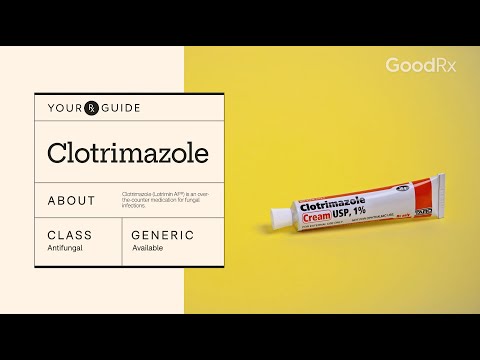
Nystatin topical is a medication that’s often overlooked but plays a significant role in fighting fungal infections. Imagine your body’s surface, like your skin, as a protective barrier. Just like any fortress, it can sometimes be attacked by unwelcome invaders, such as fungi. Nystatin is one of the defenders tasked with clearing out these pesky intruders.
This medication is primarily used to treat infections caused by fungi and yeasts, particularly Candida species. You may find it prescribed for conditions like oral thrush or skin infections in warm, moist areas of the body. Understanding how nystatin works will empower you to make informed choices about its use.
However, while nystatin can successfully combat these infections, it’s important to know that it may come with side effects and interactions with other medications. Some people might experience mild irritation or an allergic reaction at the site of application. Serious side effects are rare but possible, making awareness crucial.
Before you jump into using nystatin topical—or any medication—please remember: knowledge is power. It’s always wise to seek advice from healthcare professionals and explore various reliable sources for information. Don’t solely rely on one opinion; gather insights from different specialists and credible media outlets to ensure you’re making the best decisions for your health journey. Stay curious and informed!
The information provided in this article is intended solely for general informational and educational purposes. It does not constitute medical advice, diagnosis or professional treatment, and should not be considered a substitute for consultation with a qualified doctor or other licensed healthcare professional. Any health-related decisions should be made in consultation with accredited medical professionals.
While efforts have been made to ensure the information is accurate and up to date, no guarantees are given—either express or implied—regarding its accuracy, completeness, currency or suitability. Use of this information is at your own discretion.
It is strongly recommended to consult official sources such as the NHS (National Health Service) or other recognised medical institutions before acting on any information contained on this website or article. Under no circumstances should professional medical advice be ignored or delayed due to content read here.
This content is of a general and informational nature only. It is not intended to replace individualised guidance from a healthcare professional or to establish any doctor-patient relationship. The publication of this information does not imply any professional responsibility, guarantee or obligation on the part of the author or this site.
Exploring Potential Drug Interactions with Nystatin
Nystatin is a medication primarily used to treat fungal infections, especially those caused by Candida species. It’s often applied topically, but understanding how it interacts with other drugs is important for safe use.
When considering drug interactions, it’s crucial to realize that not all medications affect each other in the same way. Some might enhance the effects of nystatin, while others could reduce its effectiveness or increase side effects.
Key points about nystatin and potential drug interactions include:
However, individual responses can vary greatly. Your body’s unique chemistry can create different circumstances when combining drugs.
Always inform your healthcare provider about all medications you’re taking, including over-the-counter products and supplements. This transparency helps them assess any potential risks.
There’s also some anecdotal evidence suggesting that using multiple antifungal agents at the same time may lead to unexpected reactions. Though this isn’t well-documented with nystatin specifically, caution is always wise.
It’s essential to understand that certain conditions affect how your body responds to treatments. For instance, liver health can alter drug metabolism significantly.
In conclusion, while nystatin’s risk for major drug interactions seems low, being informed and proactive is key. Monitor your body’s reactions and communicate any concerns you might have with a healthcare professional.
Remember, informed choices are fundamental to your health journey!
Exploring the Unexpected Reactions to Nystatin Cream
Unraveling the Benefits of Nystatin for Skin Health
Nystatin is a medication that many people may not know much about. It’s often used to treat fungal infections on the skin and inside the body. Understanding its role can empower individuals to make informed decisions about their health.
This medication is particularly effective against candida, a type of yeast that can cause infections. When applied topically, nystatin works by disrupting the cell membranes of fungi, preventing them from growing and multiplying.
Key uses of nystatin for skin health:
One of the appealing aspects of nystatin is its focus on fungi rather than bacteria. This makes it a targeted option for certain conditions without affecting beneficial bacteria in our bodies.
While it’s largely safe, there are some side effects to be aware of. Common reactions may include skin irritation or redness at the site of application. These reactions are usually mild but should be noted.
Potential side effects include:
Interactions with other medications are generally low, but it’s always wise to discuss your full medication list with a healthcare provider. They can alert you to any specific concerns based on your unique health situation.
A common myth is that any topical antifungal will work for all types of skin issues. This isn’t true; using nystatin for fungal infections makes sense, but it won’t help with bacterial infections or other types of skin conditions like eczema or psoriasis.
Before starting any new treatment, it’s essential to consult a healthcare professional who can guide you based on your symptoms and history. Being proactive and informed helps you manage your health better.
In summary, nystatin serves as an important tool in managing certain fungal infections on the skin. By understanding its benefits and limitations, you can use it more effectively when necessary while remaining aware of how it fits into your overall health plan.
Nystatin topical is a widely used antifungal medication primarily effective against yeast infections caused by Candida species. This medication serves as an important tool in treating skin infections, particularly in moist areas like folds of skin or around the genitals.
Uses: Nystatin topical is commonly prescribed for conditions such as oral thrush and cutaneous candidiasis. It works by binding to the fungal cell membrane, disrupting its integrity, and leading to cell death. This mechanism makes it particularly useful for localized issues without affecting the entire body.
Side Effects: While generally well-tolerated, nystatin can cause mild side effects like skin irritation, itching, or a burning sensation at the application site. These reactions are often short-lived and resolve quickly once the treatment is discontinued if necessary.
Interactions: Nystatin topical has a low potential for drug interactions due to its localized application. However, it’s still essential for users to inform healthcare providers of all medications they are taking. This ensures that any potential interactions with other treatments can be effectively managed.
In summary, nystatin topical is a valuable resource in combating specific fungal infections with relatively few side effects and minimal interaction risks. It underscores the importance of understanding both the benefits and limitations of antifungal treatments for informed health decisions.