When you think of staying hydrated, what comes to mind? Water? Juice? While these are great options, there’s another contender that deserves your attention: Pedialyte. This oral rehydration solution is often associated with children, but adults can benefit from it too! Let’s take a closer look at what Pedialyte does, when it’s useful, potential side effects, and important interactions you should be aware of.
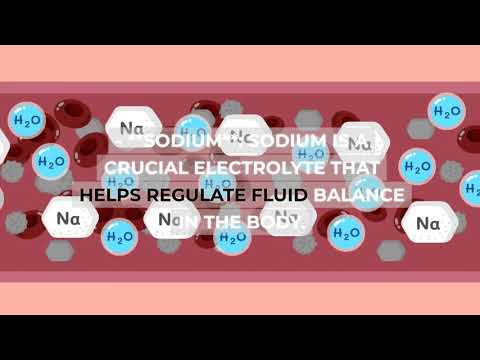
Pedialyte is designed to replace fluids and electrolytes lost during dehydration. Imagine it as a special blend that helps restore balance after events like intense exercise, illness, or even hangovers. It’s more than just plain water; it contains sugars and electrolytes like sodium and potassium that your body craves when it’s running low.
However, like any remedy or supplement, it’s essential to use Pedialyte responsibly. Overuse can lead to an imbalance in your body’s electrolytes. That means moderation is key!
Always remember that while information here provides a good starting point, consulting with healthcare professionals is crucial. Different specialists can give tailored advice based on individual health needs. Explore various reputable sources to make informed decisions about what works best for you and your loved ones.
Stay curious! Understanding products like Pedialyte empowers you to make healthier choices. But don’t hesitate to seek additional guidance; your health matters most!
The information provided in this article is intended solely for general informational and educational purposes. It does not constitute medical advice, diagnosis or professional treatment, and should not be considered a substitute for consultation with a qualified doctor or other licensed healthcare professional. Any health-related decisions should be made in consultation with accredited medical professionals.
While efforts have been made to ensure the information is accurate and up to date, no guarantees are given—either express or implied—regarding its accuracy, completeness, currency or suitability. Use of this information is at your own discretion.
It is strongly recommended to consult official sources such as the NHS (National Health Service) or other recognised medical institutions before acting on any information contained on this website or article. Under no circumstances should professional medical advice be ignored or delayed due to content read here.
This content is of a general and informational nature only. It is not intended to replace individualised guidance from a healthcare professional or to establish any doctor-patient relationship. The publication of this information does not imply any professional responsibility, guarantee or obligation on the part of the author or this site.
Uncovering the Truth About Pedialyte and Medication Compatibility
Pedialyte is often recommended for rehydration, especially during illness. It helps replace fluids and electrolytes lost due to vomiting or diarrhea. But what’s the relationship between Pedialyte and medications? Let’s explore this.
First off, Pedialyte contains electrolytes like sodium and potassium along with sugars. Its primary purpose is to hydrate the body effectively. Many people wonder if it’s okay to take medications alongside this solution.
In most cases, Pedialyte does not interfere with medications. This means that you can often take your prescribed medication after drinking Pedialyte without worrying about it affecting effectiveness. However, there are exceptions.
It’s always a good idea to check specific instructions on your medication bottles or from a healthcare provider.
If you’re unsure whether Pedialyte will affect your medication, consider timing. Waiting a short period after consuming Pedialyte before taking your medicines can be helpful.
Be aware of any side effects from either the medicine or Pedialyte itself. Some may experience an upset stomach or other gastrointestinal issues when combining them.
In rare situations, individuals might have allergic reactions to ingredients in Pedialyte. This could lead to further complications when mixed with other treatments.
Always keep an eye on how your body responds when consuming new substances together. If anything feels off, seek advice from a health professional instead of making changes on your own.
In summary, while Pedialyte is generally compatible with most medications, it’s important to stay informed about potential interactions and timing. Hydration matters greatly during illness but so does safe medicine use!
Uncovering the Hidden Impact on Your Health
Understanding the impact of what we consume on our health is essential. One product that often comes up in discussions about hydration is Pedialyte. While it’s known primarily for helping with dehydration, there’s much more to talk about.
Pedialyte is formulated as an oral rehydration solution. It contains a mix of water, sugars, and electrolytes like sodium and potassium. These components are similar to the fluids lost during sickness or intense physical activity.
Uses of Pedialyte include replenishing fluids after vomiting, diarrhea, or excessive sweating. In these situations, your body loses not just water but also crucial electrolytes. Replacing these can help restore balance.
However, it’s important to consider side effects. Some individuals may experience mild gastrointestinal discomfort after consuming Pedialyte. This might include bloating or an upset stomach – reactions that vary from person to person.
While generally safe for most people, there are things to be aware of regarding interactions. If someone is on a specific diet or has certain medical conditions, they should consult a healthcare provider before using Pedialyte. Too much sugar can be problematic for those with diabetes.
When thinking about hydration solutions like Pedialyte, remember it’s not just about quenching thirst. The body needs a balanced approach to hydration and nutrients. So think of it like fueling a car; you wouldn’t use just any liquid!
Consider looking at other options too – plain water often suffices for mild dehydration. For more intense cases, mixing in natural sources like coconut water can also work well without added sugars.
Ultimately, the hidden impact on your health comes down to being informed about what you consume and understanding how different products fit into your overall well-being strategy.
In summary:
By staying educated about these aspects, you can make better choices regarding your health and hydration needs!
Understanding the Situations Where Pedialyte Isn’t Suitable
Pedialyte is a well-known solution for rehydration, often used during illnesses that cause dehydration. However, there are situations where it may not be suitable. Understanding these conditions can help you make informed decisions.
1. Chronic Diseases: If someone has a chronic condition like kidney disease or heart failure, the electrolyte content in Pedialyte might not be appropriate. Too much fluid or certain electrolytes can worsen their condition.
2. Severe Dehydration: In cases of severe dehydration, such as from heat exhaustion or extensive vomiting, medical intervention is often needed. Pedialyte may not suffice in these circumstances and could delay necessary treatment.
3. Underlying Gastrointestinal Issues: For individuals with certain gastrointestinal problems, such as inflammatory bowel disease, the sugars in Pedialyte may cause further irritation or diarrhea.
4. Allergies or Sensitivities: Some people may have allergies to specific ingredients in Pedialyte. Always check the label if there’s any concern about allergies to sugars or additives.
5. Age Considerations: While it’s commonly used for children, infants under six months should not be given Pedialyte without consulting a medical professional first.
6. Uncontrolled Diabetes: The sugar content in Pedialyte can affect blood sugar levels. Individuals with diabetes need to monitor their intake closely when consuming such solutions.
It’s important to approach hydration carefully based on individual health needs and circumstances. Recognizing when it’s better to seek medical advice helps ensure that rehydration methods are appropriate and safe for each person involved. Always keep in mind that this information is meant for educational purposes only and should not replace professional guidance when necessary.
Pedialyte is a well-known oral rehydration solution primarily used to prevent dehydration in children and adults. It’s especially beneficial during episodes of diarrhea, vomiting, or fever. Understanding its uses, side effects, and potential interactions is crucial for informed health decisions.
Uses: The primary use of Pedialyte is to replace fluids and electrolytes lost due to dehydration. Unlike plain water, it contains a balanced mix of sugars and salts that help replenish both hydration levels and essential nutrients. This makes it particularly useful in situations where standard hydration methods may fall short.
Side Effects: Generally, Pedialyte is considered safe for most people. However, some individuals may experience mild gastrointestinal symptoms like bloating or cramping when consuming it. In rare cases, if consumed in excessive amounts over time, it might lead to an electrolyte imbalance.
Interactions: While Pedialyte is often safe to use with other medications, it’s important to be cautious if someone is on specific treatments for kidney or heart conditions. These medications can affect fluid balance in the body, making it wise to consult with a healthcare provider before using Pedialyte regularly.
In summary, while Pedialyte can be a valuable tool for rehydration during illness or heat exposure, understanding its proper use and potential limitations fosters responsible health decisions. Always consider personal health circumstances when choosing any treatment option.