The information provided in this article is intended solely for general informational and educational purposes. It does not constitute medical advice, diagnosis or professional treatment, and should not be considered a substitute for consultation with a qualified doctor or other licensed healthcare professional. Any health-related decisions should be made in consultation with accredited medical professionals.
While efforts have been made to ensure the information is accurate and up to date, no guarantees are given—either express or implied—regarding its accuracy, completeness, currency or suitability. Use of this information is at your own discretion.
It is strongly recommended to consult official sources such as the NHS (National Health Service) or other recognised medical institutions before acting on any information contained on this website or article. Under no circumstances should professional medical advice be ignored or delayed due to content read here.
This content is of a general and informational nature only. It is not intended to replace individualised guidance from a healthcare professional or to establish any doctor-patient relationship. The publication of this information does not imply any professional responsibility, guarantee or obligation on the part of the author or this site.
Have you ever felt that annoying stuffiness in your nose during a cold? It’s like a fog rolling in, right? You might reach for a decongestant, but do you know which one really works best? Pseudoephedrine and phenylephrine are two common options, but they aren’t the same. Honestly, picking between them can feel overwhelming.
Pseudoephedrine is often praised for its effectiveness at relieving nasal congestion. It tackles the problem head-on by narrowing blood vessels in your nasal passages. On the flip side, there’s phenylephrine, which some say is easier to get since it doesn’t have as many restrictions. But does that mean it’s just as good? Well, that’s up for discussion.
This article will help you understand how these two decongestants work and when to use each one. It’s about making an informed choice for your health. Remember though, this isn’t a substitute for professional medical advice; always consult with a healthcare provider before making decisions about medications.
Exploring the Power of Combination: Unpacking the Benefits of Pseudoephedrine and Phenylephrine Together
When it comes to dealing with stuffy noses and sinus pressure, two common decongestants often pop up: pseudoephedrine and phenylephrine. Both are designed to help relieve nasal congestion, but they work a bit differently. So, let’s break this down together.
The Basics of Each Decongestant
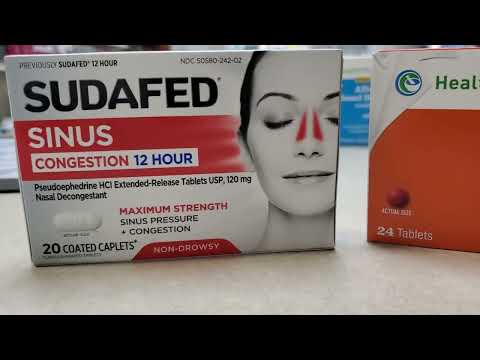
Pseudoephedrine is often found in many over-the-counter cold medications. It works by shrinking swollen blood vessels in your nasal passages. This can make it easier to breathe when you’re feeling all stuffed up.
On the other hand, phenylephrine also targets those pesky blood vessels but is thought to work more on the receptors that provide quick relief. However, watch out—some research suggests that phenylephrine may not be as effective when taken orally compared to pseudoephedrine.
Combining Forces
Now, here’s a question for you: what happens when you put these two together? Well, combining pseudoephedrine and phenylephrine can potentially enhance their effects. Think of it like a dynamic duo where one helps boost the other’s power.
Picture this—like how a team of superheroes might tackle different parts of a mission simultaneously. Pseudoephedrine takes care of long-lasting congestion relief while phenylephrine jumps in for rapid action during those moments you feel overwhelmingly stuffed up.
Potential Benefits
- Quick Relief: The combination may offer faster results during acute congestion episodes.
- Smoother Breathing: With both working at once, it might help improve overall airflow in your nasal passages.
- Diverse Action: Different pathways mean you could potentially tackle different causes of your congestion more effectively.
A Word on Side Effects
No medication comes without some risks or side effects. Common side effects for both decongestants include elevated heart rate or feelings of restlessness. It’s important to pay attention to how your body reacts; if something feels off, it might not be worth sticking with them.
Making Choices
Selecting between pseudoephedrine and phenylephrine—or deciding to use them together—really depends on what you’re looking for and your individual health needs. Some people find more relief from one over the other due to personal differences in body chemistry or conditions like high blood pressure.
If you ever feel unsure about which path to take regarding decongestants, it’s always smart to chat with someone who knows more about medications and can guide you based on your specific situation.
Your Takeaway
The bottom line is that both pseudoephedrine and phenylephrine have their places in alleviating nasal congestion symptoms. Sometimes even combining them could potentially give better results than using either alone. Just remember: listen to your body! If something doesn’t feel right after taking these meds, don’t hesitate to reach out for guidance from someone knowledgeable about health options available out there!
Unraveling the Battle Against Nasal Congestion: A Closer Look at Two Common Decongestants
Unraveling the Battle Against Nasal Congestion
Nasal congestion can be, honestly, a real pain. It makes breathing difficult and can disrupt your daily life. Luckily, there are decongestants to help relieve that stuffy feeling. Let’s dive into two of the most common ones: pseudoephedrine and phenylephrine.
What is Nasal Congestion?
Nasal congestion happens when the tissues lining your nose swell from inflamed blood vessels. This can occur due to allergies, colds, or even sinus infections. When this swelling happens, you’ll notice it’s tougher to breathe, right? That’s where decongestants come in!
Pseudoephedrine Explained
Pseudoephedrine works by narrowing the blood vessels in the nasal passages. When those blood vessels shrink, there’s less swelling and more air flow! You might find this ingredient in many over-the-counter medications.
Think of it like using a straw: if something blocks it up (like swelling), you can’t get much air through. Pseudoephedrine helps clear that blockage.
Phenylephrine Explained
Now let’s talk about phenylephrine. It also narrows blood vessels but does so differently than pseudoephedrine. It’s often found in similar cold and allergy medicines.
Imagine opening a door: sometimes just pushing it slightly allows you to squeeze through easier. Phenylephrine aims to make that slight opening with a different mechanism but often has mixed reviews on its effectiveness.
Which One Should You Choose?
This part can be tricky! Some people swear by pseudoephedrine because they feel it works better for them. But others prefer phenylephrine as it’s usually easier to find on store shelves since it’s available without restrictions in more places.
A lot of folks also notice that pseudoephedrine may cause more side effects like increased heart rate or insomnia, while phenylephrine tends to have milder effects overall.
Real-Life Considerations
- Side Effects: Always consider how your body reacts after taking either medecine—everyone is unique!
- Your Health History: If you have certain health issues (like hypertension), it might affect which option is safer for you.
- Dosing Forms:The availability can vary too—some come as pills while others may be liquids or nasal sprays.
The Bottom Line
Nasal congestion doesn’t have to hold you back from enjoying life! Both pseudoephedrine and phenylephrine offer ways to ease that uncomfortable pressure and help you breathe better.
Taking your personal preferences and health into account will help guide the decision between these two options. Don’t hesitate to ask questions at your local pharmacy if you’re unsure what might work best for you—everyone has different needs!
Finding the Right Sudafed to Relieve Ear Pressure and Discomfort
Ear pressure and discomfort can be pretty annoying. It often happens due to congestion in the nasal passages or sinuses. So, how do you tackle that? Many people turn to decongestants like Sudafed. But, not all Sudafeds are created equal.
Let’s talk about the two main active ingredients you might find: pseudoephedrine and phenylephrine. Both are used to relieve nasal congestion but they work differently in your body.
Pseudoephedrine
Pseudoephedrine is one of the most common ingredients in over-the-counter decongestants. It works by shrinking swollen blood vessels in your nasal passages, making it easier for air to flow through. Think of it like clearing a clogged drain: once you get rid of the blockage, things start flowing again.
However, it’s worth noting that pseudoephedrine isn’t available everywhere without restrictions. In some places, you might need to show an ID at the pharmacy because it can be misused in some contexts.
Phenylephrine
Now let’s look at phenylephrine. This one’s also a decongestant, but research shows it can be less effective than pseudoephedrine for some people. It’s often found in many cold medications and tends to be more readily available.
The way phenylephrine works is somewhat similar; it also shrinks swollen blood vessels but may not do as great a job at relieving severe congestion compared to pseudoephedrine.
Choosing Between Them
You might wonder which one is right for you? That really depends on your situation and how you’d respond individually to each medication. Some folks find relief with pseudoephedrine, while others might feel okay with phenylephrine.
- If you’ve had success with one type before, that could guide your choice.
- If you’re unsure or have never tried either, consider starting with something that has good reviews among your friends or family.
- If symptoms persist or worsen though, reaching out for advice from someone knowledgeable is always a good idea.
A Final Note
The important takeaway here is that both options are designed for relief but differ in effectiveness and availability for different individuals. Keep track of how each makes you feel over time—it’s valuable information! And remember: reading medication labels carefully and following dosing instructions will ensure safe use.
The choice between pseudoephedrine and phenylephrine as decongestants often leads to confusion, and rightly so. Both medications are designed to relieve nasal congestion, but they work in different ways.
Pseudoephedrine is a well-established choice. It effectively shrinks blood vessels in the nasal passages. This reduces swelling and congestion. A lot of people find it reliable, especially for colds or allergies. However, it does come with some potential side effects like increased heart rate or anxiety for some users.
On the other hand, phenylephrine might seem appealing because it’s available over-the-counter without restrictions in many places. Yet its effectiveness has been debated; some studies suggest that it may not be as effective at relieving nasal congestion as pseudoephedrine. There’s also a point here about its dosing; you need to take it more frequently than pseudoephedrine for similar results.
Real-life experiences can influence this choice as well. For instance, someone might try phenylephrine and feel it’s just not cutting through their congestion. Meanwhile, another person swears by pseudoephedrine but dislikes how it affects their sleep.
Ultimately, the decision should consider personal health conditions and preferences. Both options have pros and cons that can vary from person to person. Talking with a healthcare professional can help clarify which is suitable for your specific needs.