The information provided in this article is intended solely for general informational and educational purposes. It does not constitute medical advice, diagnosis or professional treatment, and should not be considered a substitute for consultation with a qualified doctor or other licensed healthcare professional. Any health-related decisions should be made in consultation with accredited medical professionals.
While efforts have been made to ensure the information is accurate and up to date, no guarantees are given—either express or implied—regarding its accuracy, completeness, currency or suitability. Use of this information is at your own discretion.
It is strongly recommended to consult official sources such as the NHS (National Health Service) or other recognised medical institutions before acting on any information contained on this website or article. Under no circumstances should professional medical advice be ignored or delayed due to content read here.
This content is of a general and informational nature only. It is not intended to replace individualised guidance from a healthcare professional or to establish any doctor-patient relationship. The publication of this information does not imply any professional responsibility, guarantee or obligation on the part of the author or this site.
Recognizing Early Signs of Cancer Symptoms by Type
Have you ever noticed a strange lump or felt unusually fatigued? Sometimes, these signs can make us a bit anxious. It’s natural to worry about our health, especially when we hear the word “cancer.” But look, understanding what to watch for can empower us.
This article will help you identify early signs of cancer symptoms based on different types of cancer. Recognizing these symptoms early can make a difference in treatment options and outcomes. You know, sometimes it’s the little things that matter most.
We’ll discuss specific warning signs for various cancers, like breast, lung, and skin cancer. This isn’t about creating fear; rather, it’s about providing information so you feel informed and prepared.
Remember, this content does not replace medical advice. Always consult with a healthcare professional regarding health decisions or if you have any concerns. You’re not alone in navigating this; there are resources out there to help you understand your health better.
Reassuring Indicators That Your Health is on the Right Track
Often, we worry about our health, especially when we hear about serious conditions like cancer. But hey, it’s important to recognize that there are reassuring indicators showing that things might just be okay. Let’s break down some key signals.
Regular Check-ups
One of the best ways to monitor your health is through regular check-ups. These aren’t just for when you feel sick. They help catch potential issues early, like changes in your body or unusual symptoms. Think of it like getting an oil change for your car; it keeps things running smoothly.
Understanding Symptoms
A lot of us sometimes feel a weird ache or pain and panic at the thought of illness. But many minor symptoms can actually be normal! For instance, if you’re feeling more fatigued than usual after a long week at work, you might just need rest rather than worrying about something severe.
Your Body’s Signals
Be attentive to how your body communicates with you. If you’re recovering quickly from minor injuries or if you notice your digestion has improved lately—those are good signs! It’s like how a plant flourishes when given the right amount of water and sunlight.
A Healthy Routine
If you’re eating well, exercising regularly, and getting enough sleep, these actions lead to positive changes in your overall well-being. A balanced diet full of vegetables and fruits can boost your energy levels and mood. Remember: consistency here is key; it’s not about being perfect every day.
The Importance of Mental Health
Your mental health plays a huge role too! If you’re feeling emotionally stable and capable of handling stressors—even better! Implementing mindfulness practices or doing hobbies you love helps keep anxiety at bay.
Staying Informed
Being knowledgeable about cancer symptoms specific to different types can also ease worries. For instance, noticing dark spots on the skin may raise alarms but remember that not all skin changes mean cancer—many are benign (non-cancerous). Keeping informed allows for better judgment on what needs attention.
Your Support System Matters Too!
The presence of supportive friends and family can really make a difference in managing health concerns. Sharing feelings and experiences with loved ones reduces anxiety and encourages healthy habits together.
- Coping strategies: Talk openly about fears regarding health with someone who cares.
- Exercise buddies: Work out together; it’s more fun plus motivating!
- Cooking healthy meals: A family effort can make nutritious eating enjoyable!
No one wants to live in fear constantly thinking about illness, so focus on the positives while staying aware of any concerning changes in your body! Life is too short not to enjoy it while being mindful of basic health tips along the way.
Recognizing the Subtle Clues Your Body Might Be Sending You
Hey, so let’s talk about something that can be kind of, you know, overwhelming: recognizing early signs of potential health issues, particularly cancer symptoms. Our bodies are pretty good at sending signals when something’s not quite right. The trick is learning to pay attention.
Common Symptoms to Watch For
Different types of cancers have their own unique signs. For example, unexplained weight loss might be a clue. If you’re shedding pounds without trying, it could indicate various conditions.
Another common symptom is fatigue that doesn’t go away after resting. We all feel tired sometimes, but sometimes it can be more than just needing a nap.
Pain and Discomfort
Sometimes you might have persistent pain or discomfort in certain areas of the body. For instance, if there’s a nagging ache in your abdomen that doesn’t seem to go away, it may warrant a closer look.
- Bloating: This could signal ovarian cancer if it’s frequent and longstanding.
- Coughing: A chronic cough might be linked to lung cancer; it’s worth getting checked out.
- Changes in skin: Keep an eye on any changes in moles or new growths; they could point toward skin cancers.
The Importance of Listening
The thing is communication with your body is key. It’s like having a conversation where your body whispers hints at what’s going on inside. If you notice something unusual—don’t brush it off! It’s best to talk about any concerns with someone who can help you interpret these signals better.
How Emotions Can Play a Role
Anxiety and stress can also manifest as physical symptoms; this might include stomach issues or headaches. It’s crucial to identify if these feelings are from stress or linked to something more serious happening in your body.
Your Personal Health History Matters
Your family’s medical history isn’t just random trivia; it’s an important piece of the puzzle. If relatives had specific types of cancers, staying attuned to any changes in your own health becomes even more vital.
No Need for Panic
If you notice a symptom that concerns you, don’t panic right away! Many symptoms can come from benign conditions too. But taking them seriously is essential for catching things early if they need attention.
The bottom line? Our bodies communicate through subtle clues all the time. Being aware and responsive could make all the difference down the line—it takes some practice but ultimately helps keep us healthier!
Recognizing the Subtle Clues Your Body Might Be Sending
It’s kinda wild how our bodies communicate with us, right? They send signals that can sometimes be easy to overlook, especially when life gets busy. Recognizing these subtle clues can be crucial for catching health issues early, like cancer. Let’s dive into some early signs by type.
Skin Changes
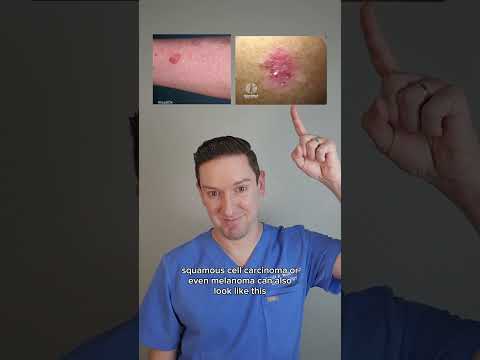
If you notice a mole that changes shape, color, or size, it might be worth paying more attention to. For instance, if it bleeds or itches consistently—like not just one time—this could be a signal. Skin cancer can manifest in many ways but keep an eye on those spots!
Unexplained Weight Loss
A sudden drop in weight without trying can be concerning. Maybe you’ve started eating the same or even more but still lose pounds. This could point towards several issues including cancers like pancreatic or stomach. Sometimes it’s just stress or other factors too, but it’s best to check it out.
Fatigue
We all get tired from time to time; it’s normal! But if you’re feeling consistently exhausted—more than your typical tiredness—it might hint at something else. Fatigue connected with other symptoms could suggest blood cancers like leukemia.
Persistent Cough or Hoarseness
A cough that won’t go away can really wear you down! If it lingers for weeks and isn’t linked to a cold or allergies, consider seeing someone about it. Lung cancer is often masked as just a simple cough at first.
Pain that Doesn’t Go Away
If you feel pain in specific areas and it keeps coming back without explanation—it could be a red flag. For instance, persistent abdominal pain may relate to ovarian cancer in women or issues with digestive organs for both genders.
Changes in Appetite
You know how sometimes you’re really hungry and others you can’t eat much? Well, pay attention if your appetite shifts drastically and sticks around for some time; this can also be associated with various types of cancer such as esophageal cancer.
Catching These Signs Early Matters
The thing is recognizing these signs doesn’t mean doom and gloom; many conditions besides cancer cause similar symptoms. Still—early detection significantly improves outcomes! So don’t hesitate to see a healthcare provider if something feels off; trust your instincts!
- The body speaks loudly: Listen to its whispers even before they turn into shouts.
- No symptom should ignored: Each of them is part of your body’s unique language.
- Your health is worth investigating: Don’t let fear keep you from checking in!
Stay curious about what your body tells you; after all, it’s the only one you’ve got!
Recognizing early signs of cancer is crucial for timely treatment and better outcomes. Each type of cancer can present unique symptoms, making awareness essential.
For instance, lung cancer may start with persistent cough or breathlessness. Meanwhile, skin cancer might show up as unusual moles or changes in existing ones. By understanding these specific warning signs, individuals can take proactive steps.
Early detection often leads to more effective management options. It’s a bit like catching a cold early on; if you notice symptoms right away, you’re likely to handle it better. Regular check-ups and being mindful of changes in your body are key parts of this process.
Also, it’s important to note that not all symptoms point to cancer. Many conditions have similar presentations. Nonetheless, being vigilant and seeking medical advice when something feels off is critical.
In summary, awareness of the early signs related to different types of cancer empowers individuals to seek help sooner rather than later. This could make all the difference in treatment and recovery.