The information provided in this article is intended solely for general informational and educational purposes. It does not constitute medical advice, diagnosis or professional treatment, and should not be considered a substitute for consultation with a qualified doctor or other licensed healthcare professional. Any health-related decisions should be made in consultation with accredited medical professionals.
While efforts have been made to ensure the information is accurate and up to date, no guarantees are given—either express or implied—regarding its accuracy, completeness, currency or suitability. Use of this information is at your own discretion.
It is strongly recommended to consult official sources such as the NHS (National Health Service) or other recognised medical institutions before acting on any information contained on this website or article. Under no circumstances should professional medical advice be ignored or delayed due to content read here.
This content is of a general and informational nature only. It is not intended to replace individualised guidance from a healthcare professional or to establish any doctor-patient relationship. The publication of this information does not imply any professional responsibility, guarantee or obligation on the part of the author or this site.
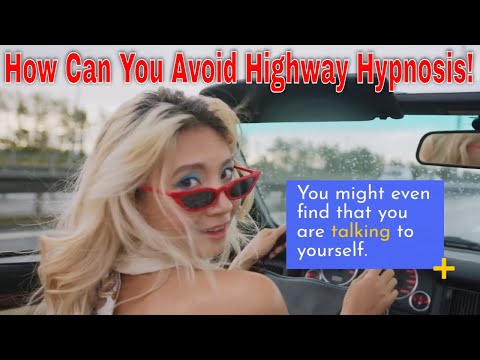
Ever found yourself driving for what seems like hours, only to suddenly snap back to attention, unsure of how you got there? You’re not alone. This phenomenon is called highway hypnosis, and it can be surprisingly common.
Picture this: you’re on a long road trip. The scenery is the same—fields, trees, maybe some mountains. As your mind begins to wander, your body keeps driving on autopilot. It’s a little scary if you think about it, right? Highway hypnosis can lead to dangerous situations if we don’t recognize it.
This article dives into the causes of highway hypnosis and offers practical ways to stay safe while hitting the open road. Understanding this state isn’t just important—it’s essential for anyone who spends time behind the wheel.
You know, being aware of these risks can help us make better choices on our journeys. Remember that while this information is helpful, it doesn’t replace professional medical advice. Always consult a healthcare provider for personalized guidance regarding your health and safety.
Exploring the Hidden Risks of Drowsy Driving on Long Journeys
Understanding Drowsy Driving
Drowsy driving is more common than you might think. It happens when someone operates a vehicle while feeling sleepy or fatigued. This can lead to serious accidents, even if the driver thinks they’re fine.
What is Highway Hypnosis?
Highway hypnosis describes a state where drivers lose track of time and their surroundings, almost like a trance. It’s that weird moment when you’re cruising down the highway but suddenly realize you can’t recall the last few miles.
This can happen during long drives, especially on monotonous stretches of road. Your mind goes blank, and your reaction time slows down. Imagine being on autopilot—it feels effortless, but in reality, it’s a dangerous state.
Causes of Drowsy Driving
- Lack of sleep: Not getting enough rest is the biggest reason behind drowsiness.
- Time of day: Driving at night or during mid-afternoon often leads to a drop in alertness.
- Medical conditions: Some health issues can contribute to fatigue like sleep apnea or narcolepsy.
- Alcohol and medications: Even some over-the-counter meds can make you sleepy.
Recognizing the Signs
You might wonder how to tell if you’re drowsy while driving. Common signs include yawning frequently, difficulty focusing, or heavy eyelids. If you find yourself drifting between lanes or hitting those rumble strips on the side of the road—those are big red flags!
Staying Safe on Long Journeys
It’s important to take precautions if you’re planning a long drive. Regular breaks are key; every couple of hours is usually good for refreshing your mind. Stretch your legs and take in some fresh air—it’ll help wake you up!
- Caffeine can offer a temporary boost in alertness but it’s not a substitute for sleep.
- If possible, share driving duties with someone else & get some shut-eye when needed.
- Avoid driving alone during high-risk times like late at night.
The Bottom Line
Drowsy driving poses real risks that shouldn’t be underestimated. Understanding highway hypnosis and recognizing its causes can help keep both you and others safe on the road. Sometimes it’s about listening to your body; if you’re feeling tired—don’t push it! Always prioritize safety over reaching your destination fast—a little patience can save lives.
Recognizing the Subtle Signs of a Trancelike Drive
Recognizing Highway Hypnosis: The Subtle Signs
Highway hypnosis, sometimes called a trancelike drive, can catch anyone off guard. It’s that eerie feeling when you’re driving, maybe on a long stretch of road, and you zone out, losing track of time or distance. Let’s break it down into simple terms.
What Causes This State?
This can happen due to monotonous conditions. Think about driving straight for hours with nothing to look at but the road ahead and maybe some fields on the side. The mind gets bored, leading to this hypnotic state.
Lack of sleep plays a huge role too. If you’re tired, your brain is already in a vulnerable state. Combine that with long stretches of highway driving, and it’s like setting the stage for highway hypnosis.
How Do You Know You’re In It?
Sometimes it sneaks up on you without warning. You might feel your eyes glazing over or notice that you’re drifting in and out of awareness. Have you ever realized you’ve driven past an exit without remembering? That’s a classic sign!
Your thoughts can become foggy too. One moment you might be planning dinner in your head, and the next you’re wondering how you got where you are. It’s almost like daydreaming while being physically somewhere else—wild, right?
The Importance of Staying Alert
You know safety comes first when driving. If you’re feeling any signs of trance-like states creeping in, it’s best to pull over for a quick break. Stretch your legs or grab some fresh air; it helps reset your mind.
- Stay hydrated: Dehydration can worsen fatigue.
- Take breaks regularly: Every couple of hours if possible really helps.
- Caffeine might be your friend: A coffee could boost alertness but don’t rely solely on it.
What Can Help Prevent this from Happening?
Create an engaging environment inside your car! Listening to uplifting music or podcasts can keep your brain active. Talking with passengers also helps maintain focus—if you’ve got company on the road!
Being mindful is key too—try not to let boredom take over during those long drives. It’s important to acknowledge how you’re feeling behind the wheel; don’t just power through if things start feeling hazy.
The Bottom Line
If you’ve experienced highway hypnosis before—or even if you haven’t—being aware of these signs is crucial for safe driving. Your focus can shift quickly without warning; staying attentive keeps everyone safe.
Stay Alert and Safe on the Open Road
Long drives can be relaxing, but they can also make you feel kind of weird after a while. Highway hypnosis is one of those phenomena that sneaks up on drivers. It’s not as spooky as it sounds, but understanding it can save your life.
What is Highway Hypnosis?
Highway hypnosis happens when you drive for long periods with little to no distractions. Your brain goes into a sort of autopilot mode. You might find yourself staring at the road ahead, but not really paying attention to it. Sounds familiar, right?
Causes of Highway Hypnosis
- Lack of stimulation: Continuous highway driving often becomes monotonous.
- Fatigue: Being tired makes it harder to stay focused.
- Mental overload: Stress or thinking too much about other things can take your attention away from driving.
- Boredom: Long stretches without landmarks can sap your alertness.
Signs You Might Be Experiencing It
You’re zoning out if you start missing exits or don’t remember the last 10 minutes of driving. If you’re daydreaming or finding it hard to keep your eyes open, that’s trouble!
How to Stay Safe While Driving
- Take breaks: Stop every couple hours to stretch and refresh your mind.
- Caffeine helps: Sipping coffee or tea can provide a temporary boost in alertness.
- Avoid heavy meals: Eating too much can make you sleepy—light snacks are better.
- Diverse routes: Changing your route occasionally helps keep things interesting and engages your mind.
The Role of Passengers
If you’re not alone in the car, don’t hesitate to chat with your passengers. Engaging in conversation can help keep you sharp and focused on the road ahead.
The Importance of Sleep
A well-rested driver is a safer driver. Lack of sleep impairs judgment just like alcohol does. So if you’re feeling tired before hitting the open road, consider rescheduling!
If You Notice Signs…
If you catch yourself zoning out or feeling sleepy, pull over somewhere safe—even if it’s just for five minutes. Take that time to breathe deeply and refocus before continuing on.
The open road offers freedom, but staying alert is key to safety on those long stretches. Practicing these simple tips makes all the difference between an enjoyable trip and a dangerous drive!
Recognizing Highway Hypnosis: Causes and How to Stay Safe
Highway hypnosis is a state of trance-like focus that can occur during long drives. You might find yourself drifting into a daydream while on the road, right? It’s not uncommon, but it can be dangerous.
The main cause usually lies in the monotonous nature of highways. The constant rhythm of the road, the lack of sharp turns, and even the hum of the engine can create a soothing effect. Sometimes your mind starts wandering while your body continues to drive on autopilot.
So, what can you do to stay safe? First off, take regular breaks. Stopping every couple of hours to stretch or grab a snack helps keep you alert. A quick walk around your car can do wonders!
Also consider changing up your routine. If you’re driving alone for long periods, try listening to an engaging podcast or upbeat music to keep your mind active.
It’s important to recognize the signs of highway hypnosis too. If you start noticing that you’ve been driving for miles without really thinking about it—that’s a red flag! Pull over and take a breather if you feel drowsy or unfocused.
Ultimately, being aware of this phenomenon is key. Staying proactive about preventing highway hypnosis ensures safer travels. So chat with friends about their experiences on long drives; sometimes sharing stories helps reinforce these safety tips!