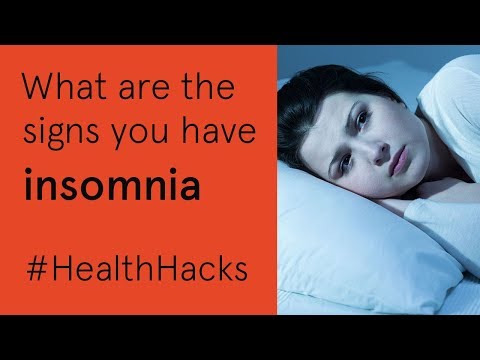
The information provided in this article is intended solely for general informational and educational purposes. It does not constitute medical advice, diagnosis or professional treatment, and should not be considered a substitute for consultation with a qualified doctor or other licensed healthcare professional. Any health-related decisions should be made in consultation with accredited medical professionals.
While efforts have been made to ensure the information is accurate and up to date, no guarantees are given—either express or implied—regarding its accuracy, completeness, currency or suitability. Use of this information is at your own discretion.
It is strongly recommended to consult official sources such as the NHS (National Health Service) or other recognised medical institutions before acting on any information contained on this website or article. Under no circumstances should professional medical advice be ignored or delayed due to content read here.
This content is of a general and informational nature only. It is not intended to replace individualised guidance from a healthcare professional or to establish any doctor-patient relationship. The publication of this information does not imply any professional responsibility, guarantee or obligation on the part of the author or this site.
Have you ever found yourself staring at the ceiling, counting sheep in vain? You’re not alone. Insomnia affects millions of people. It’s more than just a tough night; it can impact your whole day.
Sleep is essential for our well-being. It helps us recharge, think clearly, and feel good. Yet so many of us struggle to get a solid night’s rest.
This article dives into the signs of insomnia and how to spot them in yourself or someone you care about. Understanding these signs is key for improved health because sleep influences everything from mood to immunity.
You might think insomnia is just about lying awake at night, but it can show up in sneaky ways. Feeling tired all day? Irritable? That might be your body saying it needs better sleep.
Remember, this content doesn’t replace professional medical advice. Always talk to a healthcare provider when making decisions about your health. Let’s talk about those signs and get a clearer picture together!
Unlock Restful Nights with Simple Techniques You Can Try Tonight
Understanding Insomnia
Insomnia is more than just a bad night’s sleep. It’s when you struggle to fall asleep or stay asleep, often leading to feeling tired during the day. You know how annoying it is when it feels like your brain just won’t switch off? That’s insomnia for you.
Recognizing the Signs
So, what are the signs that might indicate insomnia? If you find yourself lying in bed for over 30 minutes unable to drift off, that’s a red flag. Constantly waking up in the middle of the night and having trouble falling back to sleep also counts.
Feeling groggy or irritable during the day can be another hint. Sometimes, people don’t realize how much their bad sleep habits affect their mood until someone points it out!
Common Causes of Insomnia
A lot of things can contribute to insomnia: stress from work, personal issues, or even too much caffeine before bed. Think about those nights when your mind races with thoughts—it’s like trying to watch TV while someone changes channels every few seconds.
Simple Techniques for Better Sleep
If you’re looking to improve your sleep tonight, consider trying a few simple things. First off, create a relaxing bedtime routine. Maybe read a book or listen to calming music instead of scrolling through your phone.
- Create Darkness: Keep your bedroom dark and cool; even small lights from electronics can disrupt sleep.
- Avoid Stimulants: Cut down on caffeine in the afternoon and evening. You might enjoy that coffee fix but sometimes it sticks around longer than we’d like.
- Consistent Schedule: Try going to bed and waking up at the same time every day—even on weekends! This helps set your body’s internal clock.
When Should You Seek Help?
If sleepless nights continue and affect your daily life significantly, reaching out for support could be key. Talking with someone about what you’re experiencing can help make sense of things.
You don’t have to face this alone; many people struggle with insomnia at different points in their lives. Remember that everyone deserves restful nights!
A Note on Myths
A common myth is that taking sleeping tablets is always necessary for good rest. While they may be beneficial for some in specific situations, they aren’t always the answer.
It’s important to explore lifestyle changes as well; sometimes, small tweaks make a big difference!
The Bottom Line
Coping with insomnia can be frustrating, but there are simple techniques worth trying out tonight. By recognizing signs and addressing underlying issues—whether it’s stress or bad habits—you might find yourself closer to those restful nights again.
Understanding the Signs and Struggles of Sleepless Nights
Insomnia, it’s a term we often hear, but what does it actually mean? Simply put, insomnia is when you have trouble falling asleep or staying asleep. Sometimes, even waking up too early can be part of it. And here’s the kicker—this isn’t just about sleep lost; it’s about how you feel during the day.
What Are the Signs of Insomnia?
First up, let’s talk about signs. You might feel tired all day long even after a full night in bed. That feeling can be frustrating, can’t it? Mood swings could crop up too—one minute you’re fine; the next, everything feels like a bother. You might struggle to focus or remember things.
- Increased fatigue
- Irritability
- Poor concentration
- Daytime sleepiness
If you’ve been nodding along to these symptoms, you might be affected by insomnia. Know that you’re not alone in dealing with this issue.
Common Triggers of Insomnia
The causes can vary widely. Stress is a big one; when your mind won’t shut off at night because you’re thinking about your to-do list or that awkward thing you said last week. Then there’s anxiety and depression which can also impact your sleep patterns.
Caffeine is another sneaky culprit—it keeps you awake longer than you think! Even late afternoon coffee can mess with your sleep hours later. Sometimes, lifestyle habits like irregular sleeping times or excessive screen time before bed play their parts too.
The Impact on Daily Life
You might be surprised by how much insomnia affects your life beyond just feeling tired. Poor sleep can lead to health problems over time—think heart issues or diabetes risks if it goes on for ages without being addressed.
Your relationships could also suffer; being cranky at friends or family isn’t fun for anyone involved! Honestly, think about how when you’re well-rested—you’re more cheerful and playful.
Seeking Help
If these signs hit home for you, consider reaching out for help. A lot of people find relief from talking with someone who specializes in it like a therapist or counselor. They might use techniques like cognitive behavioral therapy (CBT) which helps reshape thoughts around sleep that could be keeping you up at night.
Can Lifestyle Changes Help?
Additonally, making some lifestyle changes may assist as well. Establishing a routine where you go to bed and wake up at the same time every day creates consistency for your body clock—as if you’re training yourself!
- Create a calming bedtime routine: Think warm baths or reading instead of scrolling through social media!
- Avoid caffeine late in the day: Switch to herbal tea if you’re craving something warm.
- Create an optimal sleep environment: Darken your room and keep it cool; comfortable bedding matters!
Tackling insomnia doesn’t happen overnight—not usually anyway! But recognizing those signs is the first step towards better rest.
Unraveling the Hidden Triggers Behind Sleepless Nights
Understanding Insomnia
Insomnia is more than just a bad night’s sleep. It’s a common condition where people struggle to fall asleep, stay asleep, or wake up too early and can’t get back to sleep. You know, it’s not just about feeling tired—the effects can spill over into your daily life.
Signs of Insomnia
How do you know if you’re dealing with insomnia? Look for these signs:
- Difficulties falling asleep at night.
- Waking up frequently during the night.
- Feeling tired or unrefreshed in the morning.
- Difficulty concentrating during the day.
If you notice these patterns consistently for at least three nights a week over a month, it might be worth paying attention.
The Hidden Triggers
You might wonder what causes sleepless nights. Honestly, there are many factors at play here:
- Stress and Anxiety: Your mind racing about work or personal issues can make it tough to relax.
- Poor Sleep Hygiene: This involves habits like using your phone before bed or having irregular sleep schedules.
- Caffeine and Diet: Consuming caffeine late in the day or heavy meals can disrupt your sleep patterns too.
- Medical Conditions: Issues like chronic pain, asthma, or even depression may interfere with sleep quality.
A Personal Example
You know how some people say they can’t sleep if their mind won’t quiet down? A friend of mine struggles with this. She often lies awake thinking about her to-do list for tomorrow. For her, managing stress through mindfulness techniques has been helpful.
Your Environment Matters
The place where you sleep plays a big role too. Is your bedroom dark enough? Too noisy? Maybe it’s too warm or cold? Creating a comfortable sleeping environment is crucial for restful nights.
The Cycle of Insomnia
The thing is, insomnia can become a vicious cycle. The more anxious you feel about not sleeping well, the harder it becomes to drift off. Sometimes understanding this cycle helps break free from it!
If You’re Affected…
If you’re recognizing signs of insomnia in yourself and you’re curious about solutions—try simple changes first. Establishing a calming bedtime routine could help signal your body it’s time to wind down and relax. This could include activities like reading or gentle stretching before bed.
If things don’t improve though, seeking support from healthcare professionals might be important as they can offer tailored approaches that fit your needs better. Remember that addressing insomnia takes time—it doesn’t change overnight!
Recognizing the Signs of Insomnia: Are You Affected?
Insomnia is more common than many people realize. It’s not just about struggling to fall asleep; it can affect your daily life in various ways. Many of us think we can just power through fatigue or feeling irritable, but understanding insomnia is crucial for overall well-being.
First off, let’s talk about the signs. Difficulty falling or staying asleep is a big one. But also consider how you feel during the day. Do you often feel tired? Or maybe you find yourself relying on caffeine? These are subtle clues that your sleep patterns may need some attention.
Look, insomnia can manifest in different forms, like waking up too early or not feeling refreshed after a night’s sleep. Sometimes people confuse poor sleep with stress, but it’s important to differentiate between normal fluctuations and chronic issues.
Real-life experiences can be eye-opening. For instance, someone might dismiss their trouble sleeping as a temporary issue until they notice it impacting their mood and productivity at work. This kind of realization can motivate someone to seek help.
So, what causes insomnia? It could be stress, anxiety, or even lifestyle choices like excessive screen time before bed. Understanding these factors helps in figuring out solutions—like creating a relaxing bedtime routine or reducing caffeine intake later in the day.
Ultimately, recognizing the signs of insomnia isn’t just about counting sheep; it’s about understanding how vital good sleep is to overall health. If you’re reading this and nodding along—take note! Awareness is the first step towards tackling those restless nights.