The information provided in this article is intended solely for general informational and educational purposes. It does not constitute medical advice, diagnosis or professional treatment, and should not be considered a substitute for consultation with a qualified doctor or other licensed healthcare professional. Any health-related decisions should be made in consultation with accredited medical professionals.
While efforts have been made to ensure the information is accurate and up to date, no guarantees are given—either express or implied—regarding its accuracy, completeness, currency or suitability. Use of this information is at your own discretion.
It is strongly recommended to consult official sources such as the NHS (National Health Service) or other recognised medical institutions before acting on any information contained on this website or article. Under no circumstances should professional medical advice be ignored or delayed due to content read here.
This content is of a general and informational nature only. It is not intended to replace individualised guidance from a healthcare professional or to establish any doctor-patient relationship. The publication of this information does not imply any professional responsibility, guarantee or obligation on the part of the author or this site.
Have you ever wondered if the oils we use daily could actually help our hearts? It’s a surprising thought, right? Red palm oil, a vibrant extract from the fruit of the oil palm tree, has been touted for its potential health benefits. This isn’t just another trendy health food; it’s been part of traditional diets in many cultures for centuries.
People are often looking for ways to improve their heart health and overall wellness. With so much information out there, it can be tough to know what really works. Red palm oil might just be one of those unsung heroes that deserves more attention.
This article will dive into the potential benefits of red palm oil, specifically focusing on how it may support heart health and contribute to overall well-being. We’ll explore its nutrient profile, what research has shown, and how you might incorporate it into your diet without complicating things.
Remember though, this content doesn’t replace medical advice. Always consult a healthcare professional before making significant changes to your diet or lifestyle.
Uncovering the Hidden Risks of Your Favorite Everyday Ingredient
Red Palm Oil: A Closer Look
Red palm oil is often praised for its vibrant hue and potential health benefits. You might have seen it listed in your favorite recipes or health articles. But what’s the real deal with this ingredient? Let’s break it down together.
What is Red Palm Oil?
So, red palm oil comes from the fruit of the oil palm tree. It’s rich in nutrients, especially vitamins A and E, along with antioxidants. Think of antioxidants like tiny soldiers that help fight off bad stuff in our bodies.
Possible Benefits for Heart Health
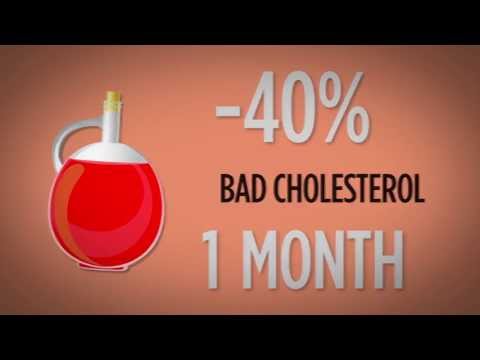
A lot of people highlight red palm oil’s potential heart-health benefits. Some studies mention that it may help lower cholesterol levels. High cholesterol can lead to heart problems, so keeping it in check is important.
- A healthy heart can mean a longer life.
- But not all fats are created equal!
This oil contains saturated fats, which have been seen as unhealthy in large amounts. It’s like having a cake—too much isn’t good for you, but a slice every now and then is okay.
The Controversy Around Saturated Fats
Saturated fats can raise LDL (the bad cholesterol) levels in some people. However, some research raises questions about how harmful they truly are when consumed as part of an overall balanced diet.
- The key here is moderation.
- Your body needs some fat to function well!
Nutritional Value vs Risks
You know how something can be both good and bad? Red palm oil has valuable nutrients but also certain risks attached to its consumption. Overeating any type of fat could lead to weight gain, which is also not ideal for heart health.
Palm Oil Production and Its Impact
An important factor often overlooked involves the environmental impact of palm oil production. Deforestation linked to this industry affects wildlife habitats and contributes to climate change issues.
- Sustainable sources exist; look out for certifications!
- Your choices at the store can make a difference!
Final Thoughts on Usage
If you love cooking with red palm oil or using it in your diet, understanding its pros and cons helps you make informed choices. Incorporating various oils might just be a smart approach—like having a toolbox where each tool serves its purpose best.
The idea is balance: enjoy your food while being mindful of what’s going into your body! Always pay attention to how different ingredients work for you specifically—what suits one person may not fit another.
Exploring the Good and the Bad of Palm Oil for Your Health and the Environment
Palm Oil: A Double-Edged Sword
Palm oil, derived from the fruit of the oil palm tree, is one of the most widely used vegetable oils globally. It’s in everything from snacks to cosmetics. But what about its impact on health and the environment? Let’s break it down.
Health Aspects of Palm Oil
Red palm oil is often highlighted for its nutrient profile. It contains antioxidants like carotenoids, which can support eye health and may reduce the risk of certain diseases. It’s also a source of healthy fats, including saturated fats that are vital for energy.
But here’s where it gets tricky—while saturated fats can be part of a balanced diet, consuming too much can raise cholesterol levels, which might lead to heart issues over time. Balance is key! So moderation in its consumption is essential.
The Good: Potential Benefits
- Heart Health: Some studies suggest that red palm oil might have a positive effect on heart health when used in moderation.
- Vitamins: It’s rich in vitamins A and E, both important for maintaining good vision and skin health.
- Ayurvedic Uses: In traditional medicine systems like Ayurveda, red palm oil has been used for various ailments.
The Bad: Environmental Concerns
On the environmental side, the production of palm oil often leads to deforestation. This harms wildlife habitats and contributes to climate change due to increased carbon emissions from land clearing. Think about it; when forests are cut down to make room for plantations, we lose biodiversity and disrupt ecosystems.
Sustainability Matters
You may have noticed that some brands promote sustainable palm oil certifications. This means they follow practices aimed at reducing environmental harm. Choosing products with these certifications can help support responsible production methods.
Your Role as a Consumer
Being an informed consumer matters; check labels and learn where your food comes from! Supporting brands that prioritize sustainability isn’t just good for your health but also great for our planet.
Final Thoughts
The conversation around palm oil is complex—like many foods we consume every day! By keeping an eye on both its potential health benefits and environmental impacts, you stand a better chance at making choices that align with your values. Balance is crucial!
Discover the Truth Behind Palm Oil and Your Health
Palm Oil and Health: What You Should Know
Palm oil is a common ingredient in many food products. It’s derived from the fruit of the oil palm tree. You can find it in snacks, margarine, and even some cosmetics. The health implications can be a bit confusing, so let’s break it down.
What is Red Palm Oil?
Red palm oil comes from the flesh of the fruit, while regular palm oil is usually more refined. This type has a vibrant reddish color, which comes from its high carotenoid content. Carotenoids are antioxidants that may help combat free radicals in the body.
Potential Benefits for Heart Health
Some studies suggest that red palm oil may support heart health due to its fatty acid profile. It’s mostly made up of saturated and unsaturated fats. Saturated fats have sometimes been linked to increased cholesterol levels, but context matters here.
- Unsaturated Fats: These are considered heart-friendly fats found in foods like olive oil and nuts.
- Saturated Fats: While other sources of these fats might raise cholesterol levels, red palm oil does not seem to have the same effect for everyone.
Nutrients Galore
This oil is also rich in vitamin E and vitamin A. These vitamins play key roles in maintaining overall wellness. For example, vitamin A supports vision and immune function, while vitamin E helps protect cells from damage.
The Downside: Moderation is Key
Despite its potential benefits, moderation is crucial with red palm oil consumption. Overdoing it could lead to an excess intake of calories or fats that might not align with your dietary goals.
- Sustainability Concerns: There’s also environmental impact to consider when consuming palm oil products.
- Diverse Diet: Eating a variety of oils and fats can offer more balanced nutrition than relying on just one type.
A Balanced View
The thing is, no single food will determine your health status by itself. Instead of focusing solely on red palm oil or any other single ingredient, think about your overall diet and lifestyle.
If you enjoy using red palm oil in cooking or baking occasionally—go for it! Just keep an eye on portion sizes and consider how it fits into your daily nutrition plan. Engaging with a healthcare professional can provide personalized insights if you have specific concerns or conditions.
Red Palm Oil: Benefits for Heart Health and Overall Wellness
Red palm oil often gets attention for its unique nutritional profile. This oil isn’t just any other cooking oil; it is rich in antioxidants and vitamins, especially vitamin E and A. These nutrients play a role in supporting overall health.
One of the notable components of red palm oil is its high levels of tocotrienols, which are a form of vitamin E. Research suggests that tocotrienols may help lower cholesterol levels. Lower cholesterol can contribute to better heart health, which is something many people aim for.
Now, let’s talk about the heart specifically. Some studies have shown that incorporating red palm oil into the diet could even support healthy blood pressure levels. However, results can vary widely from person to person.
A diet heart-friendly isn’t just about one ingredient. It’s important to remember that overall dietary patterns matter too. This means balancing red palm oil with plenty of fruits, vegetables, and whole grains for optimal wellbeing.
But there’s more to consider than just heart health. The antioxidants in red palm oil can combat oxidative stress—something linked to chronic illnesses like diabetes or even cancer! So including this oil might provide additional protective benefits over time.
Yet not everything is perfect—some concerns exist regarding its saturated fat content. While fats are essential in our diets, moderation is key here as well.
If one chooses to include red palm oil in their meals, it should be done mindfully. It’s wise to consult with healthcare professionals before making significant changes to your diet based on trends or popular ingredients alone.
The bottom line? Red palm oil has potential benefits worth exploring but should be part of a larger strategy focused on balanced nutrition and lifestyle choices aimed at promoting overall wellness.