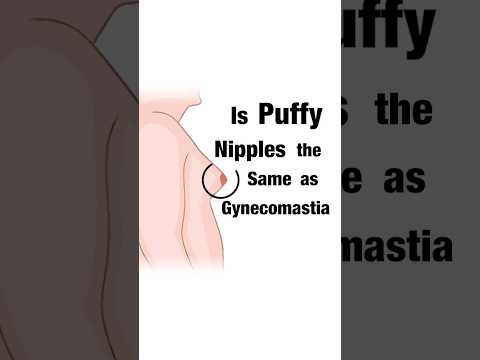
Puffy nipples can be a common concern for many people, and it’s important to know you’re not alone in feeling this way. These changes in nipple appearance often stem from various factors, including genetics, hormonal fluctuations, or even weight changes. If you’re seeking solutions to reduce the puffiness, you have options—both surgery-free and surgical.
Exploring non-surgical methods can sometimes lead to effective results with lifestyle changes and exercises that strengthen the chest area. On the other hand, surgical options might be suitable for those looking for a more permanent fix. Both paths have their pros and cons, which is why understanding them fully is essential.
However, it’s crucial to **inform yourself thoroughly** before making any decisions regarding your body. Consult different specialists—like dermatologists or plastic surgeons—and review various sources of reliable information. Each individual’s situation is unique, making personalized advice key. Don’t rush into a decision; take the time to find what works best for you.
The information provided in this article is intended solely for general informational and educational purposes. It does not constitute medical advice, diagnosis or professional treatment, and should not be considered a substitute for consultation with a qualified doctor or other licensed healthcare professional. Any health-related decisions should be made in consultation with accredited medical professionals.
While efforts have been made to ensure the information is accurate and up to date, no guarantees are given—either express or implied—regarding its accuracy, completeness, currency or suitability. Use of this information is at your own discretion.
It is strongly recommended to consult official sources such as the NHS (National Health Service) or other recognised medical institutions before acting on any information contained on this website or article. Under no circumstances should professional medical advice be ignored or delayed due to content read here.
This content is of a general and informational nature only. It is not intended to replace individualised guidance from a healthcare professional or to establish any doctor-patient relationship. The publication of this information does not imply any professional responsibility, guarantee or obligation on the part of the author or this site.
Exploring Effective Home Remedies and Lifestyle Changes
Puffy nipples can be a concern for many individuals. Understanding the causes and exploring options for managing their appearance is important. There are both home remedies and lifestyle changes that some people find helpful.
First, it’s useful to know what might cause puffy nipples. Hormonal changes, weight fluctuations, and genetics can all play a role. Sometimes, it’s simply how your body stores fat or how your skin responds to hormonal shifts.
Home Remedies often focus on natural approaches. Here are a few you might consider:
Lifestyle changes also play a key part in overall well-being. These adjustments can sometimes improve the appearance of puffy nipples:
It’s always wise to stay hydrated as well. Water helps maintain skin health.
Lastly, remember that everyone’s body is unique. What works for one person may not work for another. It’s essential to approach these options with an open mind but also with realistic expectations.
If you’re considering significant lifestyle changes or have concerns about body image, talking with someone knowledgeable is important. They can offer tailored advice suited just for you.
In summary, exploring home remedies and making lifestyle adjustments can be beneficial steps toward feeling more comfortable in your own skin. Take time to learn what works best for you while embracing your uniqueness!
Understanding Your Options for a Common Concern
Puffy nipples can be a common concern for many individuals. It may stem from various factors, including hormonal changes, weight fluctuations, or genetic predispositions. Understanding your options for addressing this issue can help you feel more confident in your body.
Firstly, it’s important to recognize that puffy nipples are usually not a health risk. They often result from natural processes and changes in the body. However, if you’re looking for a solution, there are both non-surgical and surgical options to consider.
Surgical options typically involve procedures like liposuction or excision of breast tissue. These methods aim to remove excess fat or glandular tissue that contributes to the puffiness.
- Liposuction: This involves removing fat through a small incision. It’s less invasive and can lead to quicker recovery.
- Excision: Involves directly removing tissue that causes puffiness. This may be more intensive but is effective.
On the other hand, surgery-free methods can also be explored first. These include lifestyle changes like diet and exercise. Sometimes, reducing overall body fat can improve nipple appearance.
- Weight management: Eating balanced meals and maintaining a healthy weight can help.
- Exercise: Building chest muscles through targeted workouts may enhance appearance.
- Healthy hormones: Managing stress and ensuring adequate sleep can stabilize hormone levels that affect breast tissue.
Another approach is wearing specific types of clothing or undergarments that provide support without surgery. Some people find relief using compression garments designed for this purpose.
Before deciding on any option, it’s crucial to do thorough research. Talk to trusted sources or professionals who specialize in these areas.
Don’t forget that everyone’s body is unique! What works for one person might not suit another. Take the time to explore these choices at your own pace.
Finally, remember that feeling good in your skin is what’s most important—whatever path you choose should align with your comfort and confidence levels.
Simple and Effective Tips for a More Confident You
Feeling confident can truly enhance your life. Many people struggle with body image issues, including concerns like puffy nipples. You’re not alone in this.
First, let’s chat about understanding what puffy nipples are. This condition occurs when the tissue around the nipple is prominent or protrudes more than usual. It can happen for various reasons, from genetics to hormonal changes.
Here are some tips to boost your confidence:
Now, let’s explore some *surgery-free* options that might help manage the appearance of puffy nipples.
One approach is adjusting your diet. Eating a balanced diet rich in fruits, vegetables, and lean proteins may help you maintain a healthy weight and overall body composition.
Another option is strength training. Building muscle around the chest area can change how your body looks and feels.
If you’re considering surgical options:
It’s important to research thoroughly and consult with professionals who can guide you based on your unique situation.
Remember that each body is different! Embracing individual uniqueness is key to self-acceptance.
Most importantly, reach out for support if feelings of insecurity become overwhelming. Talking to friends or joining groups with similar experiences might provide comfort.
Confidence takes time to build but remember: it’s a journey!
Exploring the topic of puffy nipples reveals both the challenges and solutions many face regarding body image. This condition, often linked to hormonal changes or genetic factors, can lead to significant self-consciousness. Understanding the available options—both surgical and non-surgical—empowers individuals to make informed decisions that suit their needs.
Non-surgical options typically include lifestyle changes such as weight management and fitness routines. These adjustments can sometimes reduce overall body fat, which may improve the appearance of puffy nipples. Additionally, targeted exercises can strengthen chest muscles, providing a firmer contour.
On the other hand, surgical solutions offer a more immediate effect for those seeking dramatic change. Procedures like liposuction or areola reduction surgery can effectively address this concern. However, it’s vital to weigh these choices carefully. Surgery involves risks and recovery time that must be considered alongside expected outcomes.
Ultimately, focusing on personal comfort and confidence is essential in any decision-making process regarding body aesthetics. Open discussions about these topics help normalize experiences and foster a supportive community where individuals feel empowered to embrace their bodies in all forms.