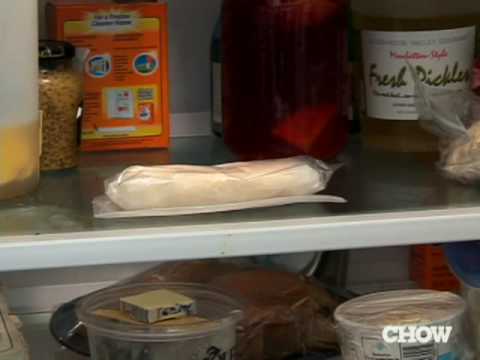
Have you ever found yourself staring at a block of cheese, wondering if it’s time to toss it or save it for later? You’re not alone! Cheese is a beloved ingredient in many kitchens, but what happens if you can’t finish it all? One solution that pops up often is freezing.
Should You Freeze Cheese? It’s a question that sparks curiosity. Many people think it’s an easy fix; after all, we freeze other foods without a second thought. But cheese is unique and delicate.
Freezing alters its texture and flavor. Some cheeses fare better than others in the freezer. Hard cheeses like cheddar may hold up well, while softer varieties can become crumbly and lose their creamy goodness.
Before you make the plunge into the freezer aisle, take a moment to learn about your options. Not all cheeses are created equal when it comes to freezing. Understanding how freezing affects different types of cheese will help you make informed choices.
Now, here’s an important note: Always seek out information from various specialists and reliable sources before deciding to freeze your cheese. It’s essential to consider opinions from food safety experts and trusted culinary resources for comprehensive guidance. Framing choices based on solid information ensures your taste buds—and health—remain happy!
The information provided in this article is intended solely for general informational and educational purposes. It does not constitute medical advice, diagnosis or professional treatment, and should not be considered a substitute for consultation with a qualified doctor or other licensed healthcare professional. Any health-related decisions should be made in consultation with accredited medical professionals.
While efforts have been made to ensure the information is accurate and up to date, no guarantees are given—either express or implied—regarding its accuracy, completeness, currency or suitability. Use of this information is at your own discretion.
It is strongly recommended to consult official sources such as the NHS (National Health Service) or other recognised medical institutions before acting on any information contained on this website or article. Under no circumstances should professional medical advice be ignored or delayed due to content read here.
This content is of a general and informational nature only. It is not intended to replace individualised guidance from a healthcare professional or to establish any doctor-patient relationship. The publication of this information does not imply any professional responsibility, guarantee or obligation on the part of the author or this site.
Unlocking the Secrets of Cheese Preservation for Flavor and Freshness
Cheese is a beloved food, known for its rich flavors and creamy textures. But when it comes to preserving cheese, many people wonder about the best methods to keep it fresh.
Freezing cheese might seem like an easy solution. However, it’s important to know that freezing changes the texture of most types of cheese. The moisture in cheese forms ice crystals, which can make it crumbly or grainy once thawed.
Here’s what you should consider:
Defrosting should be done gently in the fridge rather than at room temperature. This helps maintain flavor and reduces the risk of spoilage.
Storage methods also matter.
Wrap your cheese properly. Use wax paper or parchment paper for most cheeses and then place them in a loose plastic bag. This allows the cheese to breathe while preventing it from drying out.
Check your fridge’s humidity settings as well. Cheese prefers a slightly humid environment; this can help keep its consistency intact.
Another option is aging your own cheeses, which can enhance flavors over time if done correctly. However, this method requires more knowledge of preservation techniques and specific conditions.
In summary, while freezing can extend the shelf life of certain hard cheeses, careful storage methods are key for optimal freshness and flavor. Always consider the type of cheese before deciding how to preserve it. By understanding these concepts, you can enjoy your favorite cheeses longer!
Unlocking the Secrets to Keeping Your Cheese Fresh and Flavorful
Cheese is a beloved food around the world. Its rich flavors can elevate any dish. But how you store it matters a lot! Proper storage can help keep your cheese fresh and tasty.
First, let’s talk about refrigeration. Most cheeses do well in the fridge. Wrap them in wax paper or parchment paper. This helps them breathe while keeping moisture at bay. Avoid plastic wrap, as it can trap moisture and cause mold.
Next, consider humidity. Cheese sits best in a humid environment, like inside a dedicated cheese drawer if you have one. If not, placing a small dish of water in the fridge can mimic that effect.
Now, what about freezing? While freezing cheese is possible, it often changes its texture. Hard cheeses like cheddar might freeze better than soft ones like brie. If you decide to freeze cheese, shred or cut it into portions first. This way, it’s easier to use later.
Before using frozen cheese, thaw it slowly in the fridge for 24 hours. Quick thawing at room temp can lead to unwanted texture changes.
Here are some tips for keeping cheese fresh:
Remember that not all cheeses age the same way; some get better over time while others don’t.
In conclusion, proper storage techniques play a big role in maintaining flavor and quality. Understanding how your favorite cheeses respond to different environments helps make informed choices at home! Enjoy your cheesy delights!
Navigating the Dairy Dilemma: What Happens to Cheese After Freezing?
Freezing cheese can be a bit of a gamble. While it might seem like an easy way to extend shelf life, the outcome can vary significantly depending on the type of cheese. Let’s break it down.
First, not all cheeses react the same way to freezing. Hard cheeses, like cheddar or Parmesan, generally handle freezing well. Their texture might change a bit, becoming more crumbly. However, their flavor stays pretty intact.
On the other hand, soft cheeses, such as cream cheese or ricotta, don’t fare as well in the freezer. Freezing can cause them to separate and become grainy when thawed. This might make them less enjoyable for spreading or cooking.
When you freeze cheese, moisture inside forms ice crystals. When you thaw it out, those crystals turn back into water. This process often leads to changes in texture and taste.
Here are some key points to consider before deciding to freeze cheese:
If you’re thinking about whether to freeze leftover cheese, weigh your options first. For example, if you plan to use it in cooking—like melting into dishes—frozen cheese can work just fine.
However, if you’re looking forward to enjoying that fresh slice with some crackers or fruit, fresh cheese is ideal.
It’s also good practice to label any frozen cheese with the date so you can track how long it’s been stored.
Ultimately, freezing occurs at your own risk! Being aware of these aspects helps you make better choices about your dairy products while reducing waste in your kitchen.
Freezing cheese can be a practical solution, especially if you have excess or are trying to extend its shelf life. However, it’s essential to understand the potential effects on texture and flavor.
When cheese is frozen, the moisture content can change. Soft cheeses like cream cheese or ricotta may become grainy after thawing. In contrast, harder cheeses like cheddar or gouda usually fare better.
Here are a few key points to consider:
Remember, while freezing can help avoid waste, it might not always yield the ideal taste and consistency you expect from fresh cheese. Always assess what type of cheese you’re dealing with before deciding to freeze it. This understanding allows you to make informed choices that enhance your culinary experience without compromising quality.