The information provided in this article is intended solely for general informational and educational purposes. It does not constitute medical advice, diagnosis or professional treatment, and should not be considered a substitute for consultation with a qualified doctor or other licensed healthcare professional. Any health-related decisions should be made in consultation with accredited medical professionals.
While efforts have been made to ensure the information is accurate and up to date, no guarantees are given—either express or implied—regarding its accuracy, completeness, currency or suitability. Use of this information is at your own discretion.
It is strongly recommended to consult official sources such as the NHS (National Health Service) or other recognised medical institutions before acting on any information contained on this website or article. Under no circumstances should professional medical advice be ignored or delayed due to content read here.
This content is of a general and informational nature only. It is not intended to replace individualised guidance from a healthcare professional or to establish any doctor-patient relationship. The publication of this information does not imply any professional responsibility, guarantee or obligation on the part of the author or this site.
Have you noticed your little one fussing more than usual? Or maybe they’re drooling like a leaky faucet? The thing is, teething can turn the happiest baby into a bit of a grump. It’s tough watching them experience discomfort.
What happens during teething? Well, tiny teeth are making their way through your baby’s gums. It’s a big milestone, but often comes with some challenging signs. This article will help you recognize those signs clearly—like increased irritability or chewing on everything in sight.
We’ve also created a handy teething chart for quick reference. You can check it out to see what symptoms to expect and when. Understanding these signs is important, as it can make both you and your baby feel a whole lot better during this phase.
Just remember, while this content provides valuable insights, it doesn’t replace professional medical advice. It’s essential to consult your healthcare provider for any specific concerns about your baby’s health.
Navigating the Milestones of Your Little One’s Dental Journey
Teething can feel like a big deal for both you and your baby. It’s that time when those little pearly whites start to make their grand entrance. But what are the signs your baby is teething? Let’s break it down.
What Is Teething?
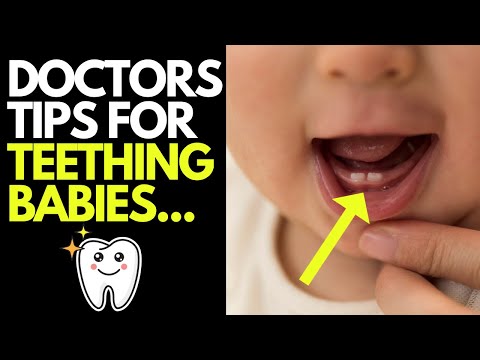
Teething is the process of baby’s teeth pushing through their gums. This usually starts around six months, but it can vary. Some babies might start earlier, or even later. Think of it this way: it’s like waiting for a plant to bloom; some take their sweet time!
Common Signs of Teething
You might notice your baby behaving differently when they’re teething. Look out for:
- Irritability: Babies can become fussier than usual.
- Slight Fever: A low-grade fever sometimes pops up.
- Chewing and Biting: Everything in sight becomes a chew toy!
- Drooling: There could be more drool than you’re used to seeing.
- Sleep Disturbances: Sleep patterns may change, leading to restless nights.
If you’ve noticed these changes, your little one might very well be teething! But honestly, every baby is unique. Some sail through this phase without much fuss while others seem to struggle a bit more.
The Teething Chart
A teething chart can be quite handy! It usually outlines which teeth come in at what age. For instance, central incisors typically erupt between 6-12 months, while molars show up later—around 12-16 months. Having a visual helps many parents track these milestones.
Soothing Techniques
You may want to explore some soothing methods when your baby seems uncomfortable during this time. Here are a few ideas:
- Mild Pressure: Gently rubbing their gums with clean fingers can help.
- Cooled Items: Chilling teething rings or damp washcloths can offer relief.
- Pain Relief Options: Always consult with someone knowledgeable before using over-the-counter remedies or gel treatments.
A Word on Myths
You know, there are lots of myths related to teething—like it causing severe illnesses or other issues completely unrelated to dental health. Most often, those things are just coincidences around the same time as teething begins.
Coping as Parents
This period can feel overwhelming sometimes; you’re not alone! Many parents go through similar experiences and feelings. Relying on community support or talking with others who’ve been there can lighten the load!
The journey doesn’t end here; as more teeth arrive over the years, new challenges will arise too! Keeping communication open with caregivers and seeking out reliable resources will benefit both you and your little one in navigating dental health together!
Exploring the Surprising Journey of Early Tooth Development
Understanding Early Tooth Development
Tooth development in babies is a fascinating process. It usually starts around six months of age, but some babies may begin teething as early as three months or even later at twelve months. It’s really different for each child.
What Happens During Teething?
When a baby teethes, it means that their primary teeth are pushing through the gums. This can cause some discomfort for them—it’s not exactly pleasant, you know? You might notice your little one being cranky or drooling more than usual.
Signs of Teething
- Irritability: Babies often feel fussy.
- Drooling: A lot of saliva can be a sign they’re teething.
- Chewing: They might gnaw on anything they can reach.
- Slight Fever: A small increase in temperature sometimes happens.
- Difficulty Sleeping: The discomfort can interrupt their sleep patterns.
The Timeline
The first teeth to come in are usually the two front ones on the bottom, called incisors. Most children get their full set of baby teeth by age three—so that’s about 20 tiny teeth! Can you imagine?
Coping with Teething Discomfort
If your baby seems uncomfortable, there are gentle ways to help. You might try giving them something cool to chew on, like a teether that has been chilled in the fridge (but not frozen!). Just make sure it’s safe and appropriate for their age.
When to Seek Help
If your baby’s symptoms seem extreme or if you’re worried about their health, it’s always good to check in with someone who knows best. Remember that while teething is natural and part of growing up, every baby is different and needs may vary.
A Word on Myths
You might hear all sorts of things about teething—some people say it causes serious illnesses like diarrhea or high fevers. The truth is, while mild symptoms like a slight fever can happen, anything severe should be looked at closely by a healthcare professional.
Your Baby’s Journey
The journey of early tooth development is quite amazing! It shows how quickly babies grow and change during those crucial first years. Stay observant and supportive as they navigate this new stage—it’s all part of the adventure of parenthood!
Understanding Why Some Babies Get Their Teeth Sooner Than Others
Teething is one of those exciting yet sometimes tough milestones in a baby’s life. Some babies start sprouting teeth as early as four months, while others might not see their first tooth until they’re over a year old. What gives?
Timing Varies from Baby to Baby
The timing of when a baby gets their teeth can be influenced by several factors. Genetics play a big role here. If parents got their teeth in early or late, there’s a good chance their baby will follow suit.
The order of baby teeth also varies. Typically, the two front bottom teeth (incisors) come in first, usually around six months old. But then again, some babies may skip around and get their molars sooner.
Health Considerations
If your baby was born prematurely or had other health challenges, this can also impact teething. Sometimes, these babies might get their teeth later than those who had an uncomplicated birth process.
Signs Your Baby Is Teething
Every baby is different when it comes to teething signs too. Common signs include drooling more than usual, fussiness or irritability, and chewing on everything they can grab ahold of!
- Drooling: Look for wet clothes and constant need for bibs.
- Irritability: A happy baby suddenly turns grumpy? This could be due to discomfort.
- Chew toys: Babies explore with their mouths, so they might chew on toys to relieve pressure on gums.
Coping with Teething
This phase can be hard for both babies and parents. Many find comfort in using teething rings or gently massaging the baby’s gums with a clean finger. It’s important to remember that while it’s uncomfortable, it’s perfectly normal!
If you’re ever worried about your baby’s teething pattern or if something seems off—like fever or excessive crying—consider reaching out for advice from someone who knows about these things.
Ultimately each child is unique; so trust your instincts and pay attention to what feels right for you and your little one!
Teething can be quite a challenging phase for both babies and their parents. Understanding the signs of teething can make this transition smoother.
Common symptoms include increased drooling, irritability, and a tendency to chew on objects. Babies might also experience slight fever or disturbances in sleep patterns. It’s important to remember that while these signs are typical, every baby is unique.
The teething chart can be a useful reference tool. It breaks down the timeline of when teeth typically come in and matches it with associated symptoms. This helps parents anticipate changes and prepare for them.
It’s not just about discomfort; observing your baby during this time helps you connect with their needs. Offering comfort through gentle gum massage or specific teething toys can be effective.
If you’re ever uncertain about your baby’s symptoms, don’t hesitate to consult a pediatrician. Some issues may overlap with other health matters, so it’s always wise to check in when something feels off.