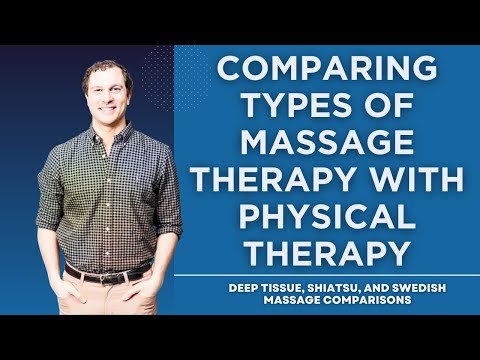
Have you ever wondered how top athletes recover quickly from grueling competitions? One of their secrets often lies in the hands of skilled therapists providing sports massage. This therapeutic technique is not just for elite competitors; it can benefit anyone who engages in physical activity. Whether you’re a weekend jogger or a fitness enthusiast, understanding sports massage could enhance your performance and boost recovery.
Sports massage encompasses various techniques tailored to meet specific needs, focusing on muscle groups that are stressed from activity. From deep tissue work to gentle stretching, different types can help alleviate pain and improve flexibility. But the advantages don’t stop there. Regular sessions may enhance circulation, reduce muscle tension, and even promote mental relaxation.
As you explore the world of sports massage, it’s crucial to find a qualified therapist who suits your needs. Look for someone with proper training and experience in sports-related techniques. Recommendations from friends or local gyms can also point you in the right direction.
However, be cautious! Not all information about sports massage is trustworthy. Misunderstandings about its benefits or applications can lead to disappointment or injury if pursued incorrectly. It’s essential to consult multiple sources and speak with various specialists to get a well-rounded view before diving into treatment.
Curiosity about what sports massage can do for you is just the beginning—make sure you’re informed!
The information provided in this article is intended solely for general informational and educational purposes. It does not constitute medical advice, diagnosis or professional treatment, and should not be considered a substitute for consultation with a qualified doctor or other licensed healthcare professional. Any health-related decisions should be made in consultation with accredited medical professionals.
While efforts have been made to ensure the information is accurate and up to date, no guarantees are given—either express or implied—regarding its accuracy, completeness, currency or suitability. Use of this information is at your own discretion.
It is strongly recommended to consult official sources such as the NHS (National Health Service) or other recognised medical institutions before acting on any information contained on this website or article. Under no circumstances should professional medical advice be ignored or delayed due to content read here.
This content is of a general and informational nature only. It is not intended to replace individualised guidance from a healthcare professional or to establish any doctor-patient relationship. The publication of this information does not imply any professional responsibility, guarantee or obligation on the part of the author or this site.
Exploring the Benefits and Techniques Behind Each Unique Style
Sports massage is a fascinating field that focuses on helping athletes and active individuals. It includes various techniques, each with its unique style and benefits. Understanding these can help you make informed choices about your massage therapy.
At its core, sports massage aims to enhance performance, improve recovery, and prevent injuries. It’s not just for elite athletes; anyone who exercises can benefit from it.
Here are some common types of sports massage:
Each technique uses different methods. For example, deep tissue work may be used for tight muscles, while lighter strokes can promote relaxation.
The benefits of sports massage are numerous:
When looking for a therapist, consider their experience with sports-related issues. A good therapist should ask about your activities and any previous injuries.
It’s also essential that you feel comfortable with their approach. Ask questions about their techniques and what you can expect during the session.
Remember, while sports massage has many potential benefits, it’s not a substitute for medical treatment if you’re injured or ill. Always consult with healthcare providers regarding your health decisions.
In summary, exploring different styles of sports massage can enhance your training experience greatly! Take the time to find a technique that suits your needs best and enjoy the journey toward better performance and health!
Discover the Art of Healing and Recovery Through Touch
Healing through touch is a fascinating journey. The technique of sports massage is one of the most effective ways to aid recovery. Let’s explore what it involves, its benefits, and how to find the right therapist.
Sports massage focuses on enhancing performance and recovery. It can be used by athletes and anyone who experiences muscle tension. Just like a good workout helps your body grow stronger, this type of massage helps repair and rejuvenate tired muscles.
Types of Sports Massage:
Each type serves a unique purpose, tailored to different needs. Think about using pre-event massages like stretching before a big game; it gets you ready for action!
Benefits of Sports Massage:
The effects are similar to tuning up an engine for optimal performance. Regular maintenance can make a big difference!
When seeking a sports massage therapist, consider these tips:
Remember, healing through touch is about connection. It encourages relaxation while nurturing both body and mind.
Always stay informed about what works for you. It’s essential to consult healthcare professionals if you’re unsure about any aspect of your health journey. Sports massage can be part of many people’s wellness routine but should complement other health practices.
In conclusion, discovering the art of healing through touch offers many opportunities for well-being. With proper guidance and understanding, you can enhance your recovery journey beautifully!
Unlocking the Secrets of Recovery and Performance Enhancement
Recovery and performance enhancement are key goals for athletes of all levels. One method that many people explore is sports massage. This practice involves various massage techniques tailored to help the body recover and improve performance.
Sports massage comes in several types. Each has a specific purpose. Here are a few common types:
The benefits of sports massage can be significant for many athletes. Regular sessions may help with:
Finding a sports massage therapist is crucial for getting the most benefit. Here are some tips:
It’s important to remember that sports massage is not a magic solution. It’s one piece of the broader puzzle of recovery and performance enhancement. Staying hydrated, eating well, and resting are also vital components.
When considering sports massage, think about what you want to achieve. Talk openly with your therapist about your goals or specific concerns.
Lastly, be cautious of claims that promise miraculous outcomes from sports massage alone. Combining it with other recovery methods yields the best results. Responsible decision-making leads you on the right path toward achieving your athletic goals!
Sports massage is a specialized form of massage therapy designed to help athletes prepare for and recover from sporting events. It focuses on the muscles used in particular sports, making it distinct from general massage. The goal is to enhance performance, aid recovery, and prevent injuries.
There are various types of sports massage, each serving unique purposes:
The benefits of sports massage are numerous. It can improve flexibility, enhance circulation, reduce tension, and even boost mental focus. Athletes often report feeling more relaxed and ready for performance after a session.
Finding a qualified therapist is crucial for safe and effective treatment. Look for professionals who have experience with your specific sport or injury type. Recommendations from fellow athletes can also be valuable.
It’s essential to communicate openly with your therapist about your goals and any concerns you may have. Remember that everyone’s body responds differently to massage; therefore, what works for one person may not work for another.
In summary, if you’re an athlete or someone engaging in regular physical activity, sports massage could be a beneficial addition to your routine. Just ensure you’re informed and choose wisely when selecting a therapist.