The information provided in this article is intended solely for general informational and educational purposes. It does not constitute medical advice, diagnosis or professional treatment, and should not be considered a substitute for consultation with a qualified doctor or other licensed healthcare professional. Any health-related decisions should be made in consultation with accredited medical professionals.
While efforts have been made to ensure the information is accurate and up to date, no guarantees are given—either express or implied—regarding its accuracy, completeness, currency or suitability. Use of this information is at your own discretion.
It is strongly recommended to consult official sources such as the NHS (National Health Service) or other recognised medical institutions before acting on any information contained on this website or article. Under no circumstances should professional medical advice be ignored or delayed due to content read here.
This content is of a general and informational nature only. It is not intended to replace individualised guidance from a healthcare professional or to establish any doctor-patient relationship. The publication of this information does not imply any professional responsibility, guarantee or obligation on the part of the author or this site.
Have you ever struggled to lift something heavy, only to feel that unwanted twinge in your back? You’re not alone. Many of us underestimate the power of a strong core, which plays a huge role in everyday movements. Surprisingly, your core is much more than just those abs everyone talks about. It’s about stability, balance, and overall health.
One exercise that really shines for building core strength is the Pallof Press. Sounds fancy, right? But don’t worry; it’s simpler than it sounds and super effective. Strengthening your core with the Pallof Press can improve your posture, enhance athletic performance, and even reduce injury risk.
This article will dive into what the Pallof Press is all about—how to do it correctly, its benefits, and some variations to keep things interesting. Remember though: while this information is thorough and helpful, it’s not a substitute for professional medical advice. Always consult with a healthcare professional before starting any new exercise routine.
Let’s get started on this journey to a stronger core!
Unlock Your Core Strength and Stability with the Pallof Press
Understanding the Pallof Press
The Pallof Press is an exercise that targets your core muscles. It’s named after a physical therapist, John Pallof, who introduced it as a way to build core strength and stability. You know, your core isn’t just about six-pack abs; it includes all the muscles around your torso that support your spine.
Why Focus on Core Strength?
Having a strong core helps with everyday activities like lifting groceries or playing sports. Think of it as the trunk of a tree—without a strong trunk, branches can become weak and eventually break. Plus, good core strength can reduce back pain and improve posture.
How to Perform the Pallof Press
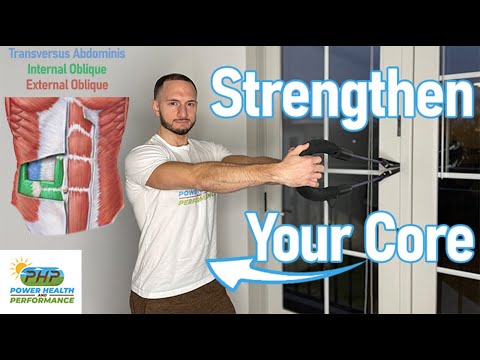
The exercise is quite simple but effective. You start by standing with feet shoulder-width apart while holding a resistance band or cable attached to a stable surface at chest height. Then you pull the band towards your chest and press it straight out in front of you.
- Keep your elbows slightly bent.
- Your hands should stay in line with your chest.
- Engage your core as you press outwards!
The Importance of Stability
This movement forces you to stabilize your body while resisting rotation, which is key for developing functional strength. When you’re pressing outwards against the resistance, it’s like trying to balance while standing on one foot; it challenges not only strength but also control.
Pallof Press Variations
If you’re looking for variations, consider different stances—like kneeling or sitting—or adjusting where the resistance comes from. Each change can hit those muscles differently! Sometimes even small adjustments can make a big difference in how hard the exercise feels.
Common Misconceptions
A lot of people think that only doing sit-ups is enough for core training. But remember, sit-ups primarily target specific muscles. The Pallof Press engages multiple muscle groups at once! It’s way more functional for real-life movements like twisting to pick something up off the floor.
When Should You Do It?
You can incorporate this exercise into any workout routine—whether you’re lifting weights or just doing body weight exercises for stability. Try adding it in as part of your warm-up or cool-down phase!
Listening to Your Body
If something hurts during this exercise—or any exercise—it’s important to pay attention to what your body’s telling you. Perhaps you’re using too much resistance or not maintaining proper form? Don’t hesitate too seek advice if you’re unsure about how you’re performing any move!
Wrapping Up
The Pallof Press isn’t just another workout move; it’s an effective tool for enhancing core strength and stability across various activities in life. By including it into your fitness routine consistently, you’ll create a solid foundation for better performance overall!
Unlock Your Core Strength: Discover the Muscles Engaged in the Pallof Press
Understanding Core Strength and the Pallof Press
Okay, let’s talk about the core. It’s more than just those muscles you show off at the beach. Your core is like a support system for your whole body. It includes not just your abs but also muscles in your back, hips, and pelvis. When these muscles work together, they help with stability and balance.
Now enter the Pallof press. This exercise is pretty cool because it hits so many of those core muscles hard without having to do a ton of sit-ups or crunches. The real magic happens when you’re standing up against resistance, which forces your core to engage really well.
What Muscles Are Involved?
The Pallof press primarily targets your rectus abdominis—the “six-pack” muscle—and obliques, which are on the sides of your abdomen. But it’s not just about looking good; these muscles protect your spine during movement.
Your transverse abdominis also gets a workout here. Think of this muscle like a natural weight belt that keeps everything tight and stable while you move around or lift heavy things.
Your lower back muscles get some attention too! That helps ensure there’s balance between the front and back of your torso. This balance is key for preventing injuries during everyday activities or workouts.
How Does It Work?
Performing the Pallof press basically involves resisting rotation in your body while you push away from an anchor point—like a cable machine or resistance band. Picture this: if someone tries to shove you sideways while you’re trying to hold steady, you’re using those core muscles to stay upright.
This “anti-rotation” aspect is what makes it so unique compared to other exercises that focus on flexion (like crunches) or extension (like back bends). It’s like being on a seesaw where you have to stay centered; if one side goes down too much, you’re off-balance!
Benefits Beyond Just Strengthening
Apart from building strength, regularly doing the Pallof press can actually improve your posture. Since it engages so many stabilizing muscles around your spine, you’ll find yourself standing taller over time.
This exercise can also aid in enhancing functional fitness—the ability to perform everyday tasks without strain. Imagine lifting groceries in and out of your car or playing with kids; having strong core stability makes those movements easier!
A Simple Way To Get Started
- You can start with light resistance bands and progress as you get stronger.
- If you’re unsure about form, practicing in front of a mirror might help!
- Start with sets of 8-10 reps on each side
The Pallof press isn’t just about getting ripped abs; it’s about building an incredibly strong foundation for everything else you do in life—whether that’s running for fun or picking up furniture when moving day comes around.
The Bottom Line
The active engagement during the Pallof press teaches your body how to stabilize itself better under pressure. So give it try! Just remember to listen to how feels as you work through it—your body will tell you what works best for it!
Unlock Core Strength and Stability with the Pallof Press Dumbbell Technique
Understanding the Pallof Press Dumbbell Technique
The Pallof press is a popular exercise that targets core strength and stability. You might be wondering, what’s so special about it? Well, this exercise helps you engage your entire core while also requiring balance and control.
What is Core Strength?
Core strength refers to the muscles in your abdomen, lower back, hips, and pelvis. Think of them like a sturdy foundation for a house. If the foundation is weak, the whole structure can cave in. Similarly, having a strong core supports your body in everyday activities and workouts.
The Mechanics of the Pallof Press
So, how do you perform it? Typically, you start by holding a dumbbell or resistance band at chest level while standing sideways to the anchor point. As you press outwards away from your chest, you engage those pesky core muscles to maintain balance. It looks simple but requires concentration!
Benefits Beyond Just Strength
You know what’s interesting? Besides building strength, the Pallof press enhances stability—important for sports or activities like running and lifting weights. Many people find they have better posture as well.
A Simple Analogy
Imagine trying to push someone away with one hand while standing on a tightrope. That’s kind of what happens during this exercise! Your body works hard to keep balanced while pushing out against resistance.
Variations for All Levels
If you’re new to working out or not feeling sure about it yet, starting with lighter weights is totally fine! As you become more comfortable with your technique and form—yes, that matters—you can gradually increase weight or try different positions.
Pallof Press vs Other Core Exercises
You might be thinking: how does it stack up against crunches or planks? Good question! While crunches mainly target specific areas of your abs, the Pallof press engages all layers of your core uniformly. It’s like using different tools for a job; sometimes one tool just works better than others.
@Fitting it into Your Routine
The cool thing is that integrating this exercise into your routine doesn’t take long at all. Just 5-10 minutes can really go along way if done consistently!
Final Thoughts on Core Training
Remember though: developing core strength takes time—don’t rush it! Focus on your form rather than pushing heavy weights too soon. Core training can enhance not just athletic performance but daily life too!
Strengthen Your Core: Benefits of the Pallof Press Exercise
The Pallof press is an excellent exercise for core stability and strength. It’s named after physical therapist John Pallof, who developed this movement to enhance athletic performance and prevent injuries.
One of the standout benefits of the Pallof press is its ability to engage deep core muscles. You know, those muscles that help stabilize your spine and pelvis. When performing this exercise, you resist rotation while pressing a weighted object away from your body. This action helps build not only strength but also control.
Also, it’s fantastic for improving overall functional fitness. Think about it: strong core muscles support everyday movements such as standing, bending, or even just walking. By focusing on stability with the Pallof press, individuals can enhance their performance in sports or daily activities.
This exercise is quite adaptable too. You can perform it standing or kneeling, which makes it accessible to various fitness levels. It’s simple yet highly effective—no fancy equipment needed beyond a resistance band or dumbbell.
However, like any exercise, form is crucial for safety and effectiveness. Taking care to maintain proper alignment will maximize benefits while minimizing the risk of injury.
Incorporating the Pallof press into a regular workout routine can truly make a difference in building a strong core foundation. It’s worth considering if you’re looking to enhance strength and stability in your fitness program.