
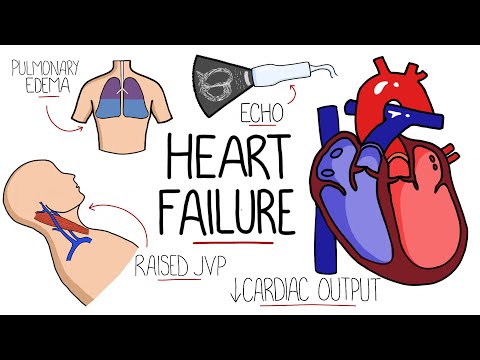
Heart failure can sound alarming, but understanding it is key to managing your health. When we talk about heart failure, we often hear the terms “systolic” and “diastolic.” While both types indicate that the heart isn’t working as efficiently as it should, they differ in how the heart struggles.
Imagine your heart as a water pump. In systolic heart failure, the pump is weak and can’t push enough blood out effectively. Think of it like an old fountain that doesn’t spray water very high anymore. On the other hand, diastolic heart failure happens when the pump is stiff and can’t fill up with blood properly. It’s like a sponge that’s too dry to soak up more water.
Recognizing these differences can help you manage your health better and engage in conversations about treatment options. Knowledge empowers you to make informed decisions regarding your healthcare.
However, it’s crucial to remember that heart failure is complex and affects everyone differently. Always be cautious about where you get information. It’s vital to consult various specialists—like your primary care physician or a cardiologist—and explore trustworthy media sources before jumping to conclusions or making health decisions based on generalized information. Take charge of your health journey with caution and curiosity!
The information provided in this article is intended solely for general informational and educational purposes. It does not constitute medical advice, diagnosis or professional treatment, and should not be considered a substitute for consultation with a qualified doctor or other licensed healthcare professional. Any health-related decisions should be made in consultation with accredited medical professionals.
While efforts have been made to ensure the information is accurate and up to date, no guarantees are given—either express or implied—regarding its accuracy, completeness, currency or suitability. Use of this information is at your own discretion.
It is strongly recommended to consult official sources such as the NHS (National Health Service) or other recognised medical institutions before acting on any information contained on this website or article. Under no circumstances should professional medical advice be ignored or delayed due to content read here.
This content is of a general and informational nature only. It is not intended to replace individualised guidance from a healthcare professional or to establish any doctor-patient relationship. The publication of this information does not imply any professional responsibility, guarantee or obligation on the part of the author or this site.
Understanding Heart Health: Distinguishing Systolic Heart Failure from Congestive Heart Failure
Understanding heart health is crucial for everyone. Two common conditions are systolic heart failure and congestive heart failure. Although they sound similar, they have key differences.
Systolic heart failure happens when the heart can’t pump blood effectively. Think of your heart as a pump. If it’s weak, it doesn’t send out enough blood to meet the body’s needs. This leads to symptoms like fatigue and shortness of breath.
Congestive heart failure is often used interchangeably with systolic heart failure, but it’s broader. It refers to the heart’s inability to maintain proper circulation, which can cause fluid buildup in the lungs and other areas.
Here are some key points to understand:
Diastolic heart failure is another important term to know. It occurs when the heart muscle stiffens and doesn’t relax properly. This means it can fill with blood but cannot pump it out effectively.
To put this into perspective: imagine a sponge that’s too stiff to soak up water well (diastolic), versus a sponge that’s worn out and can’t push water out (systolic).
Understanding these distinctions helps in managing them better. If you notice signs of heart issues, talking to a healthcare provider is essential. They can guide you on the right steps based on your specific condition.
It’s also important not to jump to conclusions based on symptoms alone; many conditions share similar signs. Educating yourself helps you ask informed questions and be an active participant in your health journey.
So remember: while all these terms sound intertwined, each has its nuances that are vital for effective diagnosis and treatment. Stay informed and take care of your precious heart!
Understanding Heart Failure: The Key Differences Between HFpEF and HFrEF Explained
Heart failure is a condition where the heart is unable to pump effectively. It can lead to various symptoms, including fatigue and shortness of breath. To better understand heart failure, it’s important to recognize its two main types: HFpEF and HFrEF.
HFpEF stands for Heart Failure with preserved Ejection Fraction. In this type, the heart’s pumping ability is relatively normal. However, it struggles to fill with enough blood because the heart muscle becomes stiff.
On the other hand, HFrEF means Heart Failure with reduced Ejection Fraction. Here, the heart cannot pump blood efficiently due to weakened muscles. This reduction in ejection fraction indicates how much blood the left ventricle pumps out with each heartbeat.
Understanding these differences can help in recognizing symptoms and implications for treatment. Here are some key points:
The distinction between HFpEF and HFrEF matters because it guides treatment approaches. For instance, people with HFrEF may benefit from specific heart medications that enhance pumping ability. In contrast, those with HFpEF may focus more on controlling conditions like high blood pressure.
It’s also interesting to note that both types of heart failure can coexist in some patients. This complicates diagnosis and management but emphasizes the importance of individual assessment.
In summary, understanding whether heart failure is preserved or reduced helps tailor treatments effectively. Heart health involves multiple factors—maintaining a balanced diet and regular exercise can make a significant difference over time.
Always consult healthcare providers for personal advice tailored to your circumstances!
Understanding the Signs and Symptoms of Heart Failure on Both Sides
Heart failure is a serious condition where the heart can’t pump blood effectively. It can happen in two main forms: systolic and diastolic heart failure. Understanding the signs and symptoms of both can help in recognizing this condition early.
Systolic heart failure occurs when the heart’s main pumping chamber, the left ventricle, is weak. This means it can’t push enough blood into circulation. Symptoms often include:
Diastolic heart failure, on the other hand, happens when the left ventricle becomes stiff. It can’t fill with blood properly between beats. This leads to similar symptoms:
Both types can cause overlap in symptoms. The key difference lies in how the heart functions during these stages.
In systolic failure, think of it like a garden hose that has holes – not enough water gets through because of leaks. In diastolic failure, picture a stiff balloon that can’t take in enough air – it doesn’t fill well even if you’re trying.
Early detection is crucial for managing heart failure effectively. If you’re noticing these symptoms, it’s important to talk with someone who understands your health concerns.
Remember that lifestyle choices matter too! Eating a balanced diet, exercising gently as allowed, and keeping an eye on weight can make a difference.
Understanding how systolic and diastolic failures affect you gives power back to you over your health decisions. Stay informed and proactive!
Systolic and diastolic heart failure are two distinct types of heart failure, each with unique characteristics and management strategies. Understanding these differences is crucial for both patients and healthcare providers, as it influences treatment options and outcomes.
Systolic heart failure occurs when the heart’s ability to contract is compromised. This means the heart can’t pump blood effectively during each heartbeat. Imagine a sponge that has become worn out; it no longer squeezes out water efficiently. Symptoms often include shortness of breath, fatigue, and fluid retention.
On the other hand, diastolic heart failure happens when the heart’s chambers can’t fill with blood properly during relaxation. Think of a balloon that won’t fully expand because it’s too stiff. In this case, even though the heart can pump normally, it can’t take in enough blood, leading to similar symptoms as systolic failure.
Recognizing these distinctions is vital for appropriate diagnosis and management. Treatments may vary significantly; systolic heart failure often involves medications that enhance cardiac contraction or reduce fluid overload, while diastolic failure may focus more on managing blood pressure and controlling fluid retention.
In summary, understanding systolic versus diastolic heart failure equips people with vital knowledge about their health. By recognizing symptoms and seeking early intervention or lifestyle changes, individuals can significantly improve their quality of life. Critical thinking about one’s health and open communication with healthcare providers are key steps towards effective management of both types of heart failure.
