The information provided in this article is intended solely for general informational and educational purposes. It does not constitute medical advice, diagnosis or professional treatment, and should not be considered a substitute for consultation with a qualified doctor or other licensed healthcare professional. Any health-related decisions should be made in consultation with accredited medical professionals.
While efforts have been made to ensure the information is accurate and up to date, no guarantees are given—either express or implied—regarding its accuracy, completeness, currency or suitability. Use of this information is at your own discretion.
It is strongly recommended to consult official sources such as the NHS (National Health Service) or other recognised medical institutions before acting on any information contained on this website or article. Under no circumstances should professional medical advice be ignored or delayed due to content read here.
This content is of a general and informational nature only. It is not intended to replace individualised guidance from a healthcare professional or to establish any doctor-patient relationship. The publication of this information does not imply any professional responsibility, guarantee or obligation on the part of the author or this site.
Have you ever felt uncomfortable after a few days of not being able to go? It’s more common than you might think. Constipation can be a real pain, literally. Sometimes, people just can’t find relief through diet alone. That’s where herbal teas come in.
You know how soothing a warm drink can be? Well, some teas do more than just relax you; they may actually help your body get back on track. In this article, we’ll explore various teas that have been known to ease constipation and improve digestion.
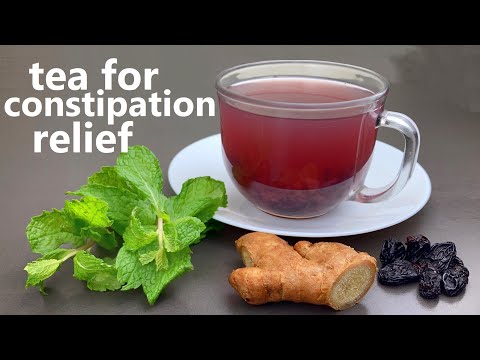
From ginger to peppermint, these natural remedies offer options that could make a difference in your daily comfort level. But remember, while these herbal options are helpful for many, they shouldn’t replace medical advice or treatment. Always consult with a healthcare professional for personalized recommendations.
This content is meant to shed light on potential remedies and practices—ultimately empowering you to take control of your health journey with informed decisions.
Soothe Your Stomach with Every Sip
Constipation can feel uncomfortable and frustrating. Sometimes, the simplest solutions can make a difference. One of those solutions might just be found in your teacup. Certain teas are known for their potential to soothe your stomach and aid digestion.
What Teas Can Help?
Let’s talk about some popular choices. Peppermint tea is one that many people enjoy. It has compounds that may help relax the muscles in the digestive tract, making things flow more smoothly. Imagine a gentle wave washing over your stomach.
Another great option is ginger tea. Ginger is commonly used to ease nausea but it also promotes digestion overall. Think of it as a friendly helper for your tummy, providing warmth and comfort.
How About Herbal Teas?
Certain herbal teas, like dandelion root or senna, often come up in conversations about natural laxatives. Dandelion can act like a mild diuretic, which means it helps flush out excess waste from your body. Senna works similarly but might be stronger; it’s key to use these sparingly.
When Should You Drink These Teas?
The timing can matter too! Sipping warm tea before meals could stimulate your digestive system. People sometimes find that having a cup after eating helps with any bloating they might feel.
A Few Cautions
You know, while many enjoy these teas, it’s wise to pay attention to how your body reacts. Everyone’s digestive system is different! If something feels off or you have any concerns, chatting with a healthcare professional is always smart.
The Importance of Hydration
Tea isn’t the only fluid that matters; staying hydrated overall plays a big role in digestion too! Aim for plenty of water throughout the day—your body will appreciate it.
Final Thoughts
Sometimes finding relief involves experimenting with different options until you find what works best for you. Don’t forget that dietary changes also play an important part in keeping things regular! Foods high in fiber like fruits and vegetables can really support gut health.
If you’re struggling with constipation more frequently than not, remember it’s okay to seek advice from someone knowledgeable about health matters; they can help point you in the right direction without pressure!
Discover Soothing Brews to Ease Digestive Discomfort
Understanding Digestive Discomfort
Digestive discomfort can be a real pain—literally. Many people experience issues like bloating, gas, or constipation. If you’ve ever felt that heavy feeling after a meal, you know what I mean. It can make simple activities feel uncomfortable.
The good news? There are soothing drinks that some folks find helpful. Herbal teas have been used for ages to support digestion and ease discomfort. Let’s chat about some of these brews and how they might help.
The Role of Herbal Teas
Herbal teas are made from various plant materials, including leaves, flowers, seeds, and roots. When it comes to digestion, certain herbs have properties that might support your system.
Think of it like giving your stomach a gentle hug. These teas can help relax your digestive tract and sometimes enhance movement in the intestines. This aids in overall digestion.
Popular Teas for Digestive Relief
- Peppermint Tea: This one is refreshing and has menthol which may help relax the muscles in your digestive tract.
- Ginger Tea: Ginger is well-known for settling the stomach. It may help with nausea too! Just imagine sipping on warm ginger tea after a big meal.
- Dandelion Tea: Often considered a weed, dandelion helps stimulate appetite and may aid liver function which boosts digestion.
- Chamomile Tea: It’s calming and not only helps with sleep but may also reduce bloating and gas.
- Lemon Balm Tea: Part of the mint family, lemon balm is great for reducing anxiety which can also impact digestion negatively!
You Can Customize Your Brew
The wonderful thing about these teas is you can mix them! For instance, ginger and lemon together create an uplifting drink that some folks enjoy for both flavor and potential benefits.
If you’re experimenting with herbal teas try adding honey or lemon for taste—just be sure to watch out for allergies or sensitivities first!
A Few Things to Consider
This isn’t the fix-all solution though. Drinking tea alone won’t address underlying issues causing discomfort like poor diet or stress. Sometimes things just happen due to lifestyle choices as well.
Minding portion sizes at meals could really help too! Also drinking plenty of water throughout the day supports your digestive health.
A Friendly Reminder
If digestive discomfort persists or becomes severe you should definitely reach out to someone who knows their stuff—like a healthcare professional! They can provide guidance tailored specifically to you.
Your Journey Toward Comfort
Brew up some calming tea when you’re feeling off. Explore different flavors until you find something delightful that’ll soothe your tummy during tough times!
Relief in a Cup: Discover the Soothing Benefits of Milk Tea for Digestive Health
Milk Tea and Digestive Health
Ever wonder if your favorite cup of milk tea can do more than just warm you up? You’re not alone! Many people enjoy this comforting drink not only for its flavor but also for its potential benefits to digestion.
What’s in Milk Tea?
Milk tea usually combines black tea with milk and sometimes sweeteners. Black tea is rich in tannins, which are natural compounds that might help with digestion. It’s like a gentle nudge to your gut, encouraging things to keep moving.
The Role of Tannins
Tannins can help soothe the digestive tract. They also have mild astringent properties, meaning they might tighten tissues which could enhance gut health. Think of it as giving your insides a little hug. But hey, too much tannin can cause some stomach upset for some people, so it’s all about finding what works for you.
Milk: The Creamy Companion
When you add milk to tea, it does more than make it creamy and delicious! Milk provides calcium and fat which can further help in feeling satisfied after a meal. Sometimes a full stomach helps in preventing constipation by promoting regular bowel movements.
The Warmth Factor
You know that cozy feeling when you sip on something warm? Well, warmth itself can stimulate digestion. A hot cup of milk tea might encourage the digestive system to work better by relaxing your muscles. It’s kind of like a mini spa day for your tummy!
Herbal Additions
If you’re looking for extra support, people often add herbs like ginger or peppermint to their tea. Ginger has been used traditionally as a digestive aid—a bit like how lemon helps some folks feel refreshed. Ginger may help get things moving along while peppermint is known for its calming properties on the digestive tract.
Cautions and Considerations
While milk tea could offer comfort and potential benefits, remember everyone’s body responds differently. It’s important to listen to your own gut feelings—literally! If something doesn’t sit right with you after drinking it, then maybe try adjusting the ingredients or portion sizes.
A Final Sip
So, whether you’re enjoying milk tea during a chilly afternoon or after dinner while winding down, it may just be an enjoyable addition to your routine. Like all things related to health—balance is key!
When discussing teas that can help relieve constipation, it’s essential to consider the natural remedies available. Many people experience constipation at some point, and sometimes, we look for gentle solutions. Herbal teas have been traditionally used for this purpose.
Certain herbs like senna and peppermint are known for their digestive benefits. Senna, in particular, is a natural laxative—it stimulates bowel movements. But it’s crucial to use it carefully, as overuse can lead to dependency or cause cramping.
Peppermint tea is another popular choice; it’s soothing for the digestive system and can help relieve gas and bloating. The menthol in peppermint relaxes the muscles of the gastrointestinal tract, promoting smoother digestion.
Other options include ginger tea or dandelion tea. Ginger aids digestion and can help with nausea too, while dandelion stimulates appetite and acts as a mild laxative.
It’s important to remember that not everyone’s body responds the same way to these teas. Hydration plays a big role in relieving constipation too—sometimes adding more water or fiber-rich foods can be just what you need alongside herbal remedies.
If you’re considering using these teas as a remedy, take note of how your body reacts. Sometimes it’s best to consult a healthcare professional if constipation persists. They can provide guidance tailored to your specific needs.