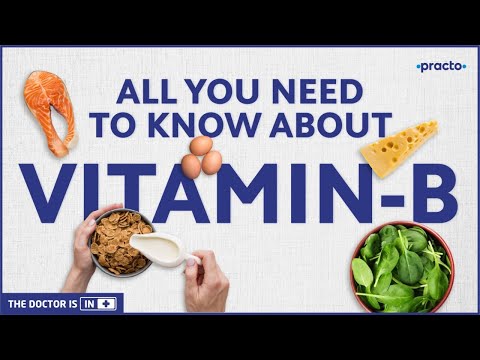
Thiamine, also known as vitamin B1, is a vital nutrient that plays a crucial role in energy metabolism and overall health. Imagine it as a key that unlocks the door to transforming food into the fuel your body needs. From supporting brain function to aiding in digestion, thiamine serves multiple roles, each essential for maintaining well-being.
Many people may not realize they rely on this vitamin daily. It’s commonly found in foods like whole grains, legumes, nuts, and meat. However, some individuals may not get enough through their diets. In such cases, understanding thiamine’s benefits can empower you to make informed decisions about supplementation or dietary changes.
Yet with every nutrient comes an important responsibility: knowledge. While thiamine has impressive benefits—such as enhancing mood and reducing fatigue—it’s crucial to approach its use judiciously. Understanding potential side effects or interactions with other medications is equally important.
Before making any health-related decisions involving vitamins or supplements like thiamine, consider consulting various specialists and exploring diverse media sources for insight. Knowledge is power; equip yourself with facts so you can navigate your health journey wisely!
The information provided in this article is intended solely for general informational and educational purposes. It does not constitute medical advice, diagnosis or professional treatment, and should not be considered a substitute for consultation with a qualified doctor or other licensed healthcare professional. Any health-related decisions should be made in consultation with accredited medical professionals.
While efforts have been made to ensure the information is accurate and up to date, no guarantees are given—either express or implied—regarding its accuracy, completeness, currency or suitability. Use of this information is at your own discretion.
It is strongly recommended to consult official sources such as the NHS (National Health Service) or other recognised medical institutions before acting on any information contained on this website or article. Under no circumstances should professional medical advice be ignored or delayed due to content read here.
This content is of a general and informational nature only. It is not intended to replace individualised guidance from a healthcare professional or to establish any doctor-patient relationship. The publication of this information does not imply any professional responsibility, guarantee or obligation on the part of the author or this site.
Uncovering the Hidden Risks of Thiamine Supplementation
Thiamine, also known as vitamin B1, plays a vital role in our bodies. It’s involved in converting food into energy and helps keep our nervous system healthy. Many people turn to thiamine supplements for various reasons, but it’s essential to understand the potential hidden risks.
While thiamine is generally considered safe when consumed in appropriate amounts, taking it in excessive doses can lead to unwanted side effects. Some individuals might experience allergic reactions, such as skin rashes or itching. It’s crucial to listen to your body and stop using the supplement if you notice anything unusual.
Another risk involves interactions with medications. For example, thiamine can interact with certain diuretics or medications used for diabetes. If you’re taking other drugs, it’s wise to consult a healthcare professional before adding thiamine supplements.
Over-supplementation can also cause imbalances in other B vitamins. Your body needs a balance of nutrients for optimal health. Excessive amounts of one vitamin can lead to deficiencies of another.
Moreover, some people may not need extra thiamine at all. A balanced diet typically provides sufficient amounts of this vitamin. Foods rich in thiamine include whole grains, legumes, nuts, and pork. Before deciding on supplements, consider evaluating your diet first.
It’s also important to note that while thiamine aids energy production and carbohydrate metabolism, it does not replace a healthy lifestyle. Relying solely on supplements without proper nutrition and exercise is not advisable.
In summary:
Always approach supplementation with caution. Knowledge is power when it comes to making informed health decisions!
Unlocking the Power of Thiamine in Everyday Life
Thiamine, also known as vitamin B1, plays an essential role in our health. It’s found in many foods we eat daily, such as whole grains, meat, and fish. Understanding its benefits can help us harness its power.
Energy Production
Thiamine is crucial for converting food into energy. Think of it as a spark plug in your car. Without this spark plug, the engine doesn’t run smoothly.
Nerve Function
This vitamin also supports nerve function. It helps in transmitting signals throughout the body. Imagine your nerves are like electrical wires; thiamine keeps them well insulated and functioning.
Heart Health
A healthy heart relies on thiamine for optimal performance. It plays a role in maintaining a normal heartbeat and overall heart health, much like how oil keeps an engine running efficiently.
Dietary Sources
You can find thiamine in various foods. Good sources include:
Including these foods can help you meet your thiamine needs easily through diet alone.
Deficiency Issues
Low levels of thiamine can lead to health problems, particularly neurological ones. Symptoms may include fatigue, irritability, or even confusion. In severe cases, it can lead to serious conditions like Wernicke-Korsakoff syndrome commonly seen with chronic alcohol consumption.
Side Effects of Excess Thiamine
While rare, too much thiamine from supplements might cause some side effects like headache or nausea. However, high doses typically come from supplementation rather than food sources.
Minding Your Intake
Most people get enough thiamine through their diet without any issues. If you’re concerned about your intake or have specific health conditions affecting absorption, talking to a healthcare provider is wise.
In summary, understanding thiamine’s roles lets us appreciate this vitamin’s contribution to our everyday lives. By focusing on balanced meals that include sources of thiamine, we support our bodies’ energy production and nerve health effectively.
Discover the Benefits and Uses of Betavit in Everyday Health
Betavit, also known as thiamine, is a vital nutrient the body needs for many functions. It helps convert food into energy and plays a role in nerve function. Understanding betavit can empower us to make better health choices.
Energy Production
Betavit aids in breaking down carbohydrates. Think of it like fuel for a car; without the right kind of fuel, your car won’t run efficiently. Similarly, your body needs betavit to turn food into usable energy.
Nerve Health
This vitamin is crucial for maintaining healthy nerve cells. It supports communication between the brain and rest of the body. Imagine it like a telephone line—if the line is faulty, messages can’t get through.
Heart Function
Betavit plays a role in keeping your heart healthy. It helps maintain a steady heartbeat and supports cardiovascular health overall.
Sources of Betavit
You can find betavit in various foods. Whole grains, legumes, nuts, and seeds are excellent sources. Even pork has significant amounts! Including these in your diet can ensure you get enough thiamine.
Deficiency Concerns
A lack of betavit can lead to various health issues. Symptoms may include fatigue, irritability, or even more severe conditions like Wernicke-Korsakoff syndrome—a serious brain disorder often linked to alcohol misuse.
While you need enough thiamine, it’s also essential not to go overboard with supplements unless needed. Too much betavit doesn’t necessarily mean more energy or better health; balance is key.
In conclusion, incorporating betavit-rich foods into your daily diet can provide numerous benefits for energy production and overall health. Paying attention to how you feel daily is important too—if you notice changes in your energy levels or mood, it might be worth exploring your nutrition further.
Always remember that before making any significant changes to your health routine or diet—especially involving supplements—it’s wise to consult with a healthcare provider for guidance tailored specifically to you.
Thiamine, also known as vitamin B1, plays a crucial role in our body’s overall health. It helps convert carbohydrates into energy and is vital for proper nerve function. Reflecting on its benefits, it’s clear that thiamine is essential not just for metabolism but also for maintaining a healthy nervous system.
One of the key uses of thiamine is in preventing and treating beriberi, a condition arising from its deficiency. This highlights the importance of adequate intake, especially for people with certain dietary restrictions or conditions that affect absorption. Additionally, thiamine may aid in supporting cognitive function and reducing the risk of Alzheimer’s disease.
However, while thiamine is generally safe and well-tolerated, it’s important to be aware of potential side effects. Some individuals may experience allergic reactions or gastrointestinal issues when taking supplements. It serves as a reminder that even natural vitamins should be consumed mindfully.
In summary, understanding thiamine’s role underscores the importance of balanced nutrition and informs responsible health decisions regarding supplementation. Always consult healthcare providers before starting any new vitamin regimen to ensure it aligns with individual health needs.