The information provided in this article is intended solely for general informational and educational purposes. It does not constitute medical advice, diagnosis or professional treatment, and should not be considered a substitute for consultation with a qualified doctor or other licensed healthcare professional. Any health-related decisions should be made in consultation with accredited medical professionals.
While efforts have been made to ensure the information is accurate and up to date, no guarantees are given—either express or implied—regarding its accuracy, completeness, currency or suitability. Use of this information is at your own discretion.
It is strongly recommended to consult official sources such as the NHS (National Health Service) or other recognised medical institutions before acting on any information contained on this website or article. Under no circumstances should professional medical advice be ignored or delayed due to content read here.
This content is of a general and informational nature only. It is not intended to replace individualised guidance from a healthcare professional or to establish any doctor-patient relationship. The publication of this information does not imply any professional responsibility, guarantee or obligation on the part of the author or this site.
Have you ever wondered why some people seem to breeze through colds while others catch every bug that goes around? It’s often about their immune system. One key player in keeping our defenses strong is Vitamin C.
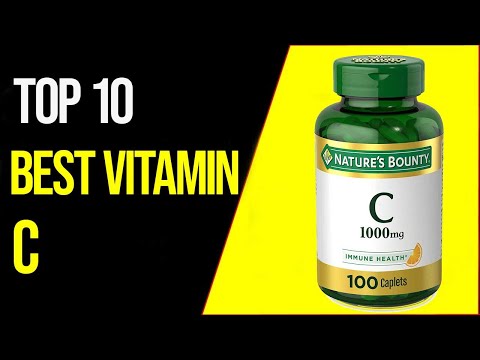
This vitamin isn’t just a simple nutrient; it’s a powerful antioxidant that helps protect our cells. It also supports various bodily functions, including immune health. So, if you’re looking to bolster your wellness routine, incorporating a quality Vitamin C supplement could be a smart move.
In this article, we’ll explore some of the top Vitamin C supplements available today. You’ll find options for different preferences and needs—whether you prefer capsules, powders, or chewables.
Remember, though: while Vitamin C is beneficial, this content doesn’t replace professional medical advice. Health decisions should always be made with care and in consultation with a healthcare professional.
So let’s dive into the world of Vitamin C and discover how it can support your immune health and overall wellness!
Uncover the Top Choices for Boosting Your Immune Health
Understanding Vitamin C and Immune Health
Vitamin C is a vital nutrient that plays a key role in keeping our immune system strong. You might be wondering, “Why is it so important?” Well, this vitamin helps your body produce white blood cells, which are crucial for fighting off infections.
Your body can’t make Vitamin C on its own, so you need to get it from food or supplements. Foods rich in Vitamin C include oranges, strawberries, kiwi, and bell peppers. But sometimes that’s not enough. That’s where supplements come into play.
Best Supplements to Consider
- Ascorbic Acid: This is the most common form of Vitamin C. It’s inexpensive and widely available. If you see a product labeled simply as “Vitamin C,” it’s likely this form.
- Sodium Ascorbate: A buffered version that’s gentler on your stomach. If you struggle with acidity or have digestive issues, this could be a good option.
- Calcium Ascorbate: Similar to sodium ascorbate but contains calcium as well. So if you’re looking to boost both your vitamin C and calcium intake at once, think about this one!
- Liposomal Vitamin C: This form is encapsulated in liposomes which help increase its absorption in the bloodstream. It’s often marketed as more effective—though research on that is still ongoing.
Dosing: How Much Do You Need?
The recommended daily intake for adults is around 65 to 90 milligrams per day. But some people choose higher doses during colder months or when feeling under the weather. Still, it’s smart to talk with someone who knows their stuff before going overboard.
Misinformation Around Vitamin C
You might hear claims that high doses of vitamin c can prevent colds or other illnesses entirely—but that isn’t accurate! While it can help shorten the duration of colds for some, it doesn’t work like an impenetrable shield against sickness.
The Bigger Picture
A healthy diet rich in fruits and vegetables along with regular exercise can also significantly boost your immune health. So consider vitamin c just one piece of the puzzle!
A Few Final Thoughts
If you’re thinking about taking a supplement for immunity support—like any health decision—take time to do your homework! You know? Look into different products and how they might fit into your overall routine.
Your body needs balance; too much of anything can cause issues too! Aim for variety in your diet and stay hydrated—it all plays a part in keeping those defenses up!
Uncover the Key to Maximizing Your Health Benefits
Understanding Vitamin C
Vitamin C, also known as ascorbic acid, is a water-soluble vitamin. This means it dissolves in water and isn’t stored in the body. Thus, we need to get it through our diet or supplements. Why’s that important? Well, vitamin C plays a big role in many bodily functions.
Roles of Vitamin C in Immune Support
You might have heard that vitamin C can help with your immune system. And it’s true! It helps white blood cells function more effectively, which are like the body’s defenders against infections.
Plus, it acts as an antioxidant. Antioxidants are substances that combat free radicals—unstable molecules that can damage cells.
Sources of Vitamin C
No surprise here: fruits and vegetables are prime sources of vitamin C! Think oranges, strawberries, kiwis, bell peppers, and broccoli. But sometimes our diet isn’t enough. So we turn to supplements.
Selecting the Right Supplement
If you decide to take vitamin C supplements, you have choices! There’s ascorbic acid (the most common), sodium ascorbate (which is often gentler on the stomach), and liposomal vitamin C (delivered in small fatty sacs for better absorption).
Look at the label carefully—some products add sugar or other fillers that you may not want. It’s always good to steer clear from unnecessary ingredients.
The Right Dosage
You might be wondering how much you need? The recommended daily allowance for adults is about 65-90 mg per day. But some people take higher doses during cold seasons; still best to be cautious here!
Potential Myths About Vitamin C
- Mistake: More vitamin C prevents colds completely.
- Busted: While some studies show it might reduce duration or severity of colds, it doesn’t stop them altogether.
- Mistake: All supplements are created equal.
- Busted: Not true. Quality varies between brands and products; researching matters!
A Note on Balance
Your health isn’t just about one thing; it’s a combination of many factors like diet, exercise and sleep. Relying solely on supplements isn’t likely to give you all the benefits you want without maintaining a balanced lifestyle.
The Bottom Line on Vitamin C Supplements
If you’re considering adding vitamin C to your wellness regime for immune support look into choosing high-quality options and talk with someone if you have questions specific to your health needs!
Unlocking the Secret to a Stronger Defense Against Colds and Flu
Understanding the Immune System
Your immune system is like your body’s defense army. It fights off germs and viruses, keeping you healthy. When it comes to cold and flu, a strong immune system can make a big difference. But how can you boost it?
Role of Vitamin C
Vitamin C is often talked about as a key player in supporting the immune system. It’s an antioxidant, which means it helps protect your cells from damage caused by free radicals—those pesky molecules that can harm your body.
Think of antioxidants like shields for your immune cells. They help them function better when you’re exposed to cold and flu viruses.
Sources of Vitamin C
- Citrus fruits like oranges and grapefruits
- Berries such as strawberries and blueberries
- Vegetables including bell peppers and broccoli
- Kiwis, tomatoes, and melons
Supplements vs. Food Sources
You might be wondering if supplements are necessary. Well, many people get enough Vitamin C from their diet alone. However, some folks find it tough to eat enough fruits and veggies every day.
If you struggle with that, supplements could be worth considering. Just remember: they shouldn’t replace whole foods but rather complement a healthy diet.
Choosing Vitamin C Supplements
- Form: There are tablets, powders, gummies—and more! Choose one that fits into your routine.
- Doses: Look for doses that align with daily recommended amounts (about 65 to 90 mg for adults).
- Additives: Check labels for added sugars or artificial ingredients if you’re mindful of those things.
The Limitations of Vitamin C
I get it—you’re hoping for a miracle with Vitamin C! But it’s important to keep expectations realisitc. Studies show that while Vitamin C may reduce the duration of colds slightly, it won’t necessarily prevent them altogether.
A Holistic Approach to Immunity
A strong immune defense isn’t just about one vitamin. It’s about overall wellness! Regular exercise, plenty of sleep, staying hydrated—all these factors contribute significantly too!
Mental Health Matters Too!
Your mind plays a role in physical health as well! Stress can weaken your immunity over time; learning stress management techniques might help fortify against illnesses like colds and flu too.
The Bottom Line on Immunity Support
If you’re looking to strengthen your defenses against common colds or flu viruses consider incorporating foods rich in Vitamin C into your diet first—supplements are available if needed but consult with someone who knows health matters before starting anything new!
Reflection on Top Vitamin C Supplements for Immune Support and Wellness
Vitamin C is one of those nutrients that often gets a lot of attention, especially when it comes to boosting the immune system. It’s a water-soluble vitamin that plays a key role in various bodily functions, including the growth and repair of tissues, and it also acts as an antioxidant. This means it helps combat free radicals—those pesky molecules that can cause cellular damage.
In terms of immune support, vitamin C is known for enhancing the function of immune cells, which helps our bodies fight infections better. But the question many people have is whether taking supplements makes a significant difference compared to getting it from food.
You can find vitamin C in fruits and vegetables like oranges, strawberries, bell peppers, and broccoli. However, in our busy lives sometimes it’s tricky to get enough through diet alone. This is where supplements come into play. They provide a concentrated dose that’s easy to consume.
When looking for top vitamin C supplements, choices usually range from tablets and capsules to powders. A lot of people prefer chewable options or effervescent versions because they’re more palatable. Packaging often emphasizes “immune support” or “wellness,” making it sound even more appealing.
But let’s not forget: not all supplements are created equal. Quality matters! Look for those that have been tested by third-party organizations to ensure what’s on the label actually matches what’s inside.
While taking vitamin C can be beneficial, it’s important not to rely solely on supplements for health. A balanced diet rich in multiple nutrients is key to overall wellness; things like zinc and vitamins A and D also play critical roles in immune function.
If you’re considering adding a supplement into your routine, chatting with a healthcare provider might help clarify if it’s right for you—especially if you have underlying health conditions or take other medications.
Ultimately, while vitamin C has its perks for supporting immunity and wellness, remembering that it should complement your overall healthy lifestyle—that’s crucial!