The information provided in this article is intended solely for general informational and educational purposes. It does not constitute medical advice, diagnosis or professional treatment, and should not be considered a substitute for consultation with a qualified doctor or other licensed healthcare professional. Any health-related decisions should be made in consultation with accredited medical professionals.
While efforts have been made to ensure the information is accurate and up to date, no guarantees are given—either express or implied—regarding its accuracy, completeness, currency or suitability. Use of this information is at your own discretion.
It is strongly recommended to consult official sources such as the NHS (National Health Service) or other recognised medical institutions before acting on any information contained on this website or article. Under no circumstances should professional medical advice be ignored or delayed due to content read here.
This content is of a general and informational nature only. It is not intended to replace individualised guidance from a healthcare professional or to establish any doctor-patient relationship. The publication of this information does not imply any professional responsibility, guarantee or obligation on the part of the author or this site.
Ever had that nagging feeling in your belly and wondered, “What’s going on in there?” You’re not alone. Our abdominal organs work behind the scenes, playing crucial roles in digestion and overall health. It’s wild how much they do without us even noticing.
In this article, we’ll dive into the anatomy of those abdominal organs. We’ll explore what each one does, how they interact with each other, and why taking care of them is so important.
You might be surprised to learn about the fascinating functions of organs like the liver and pancreas. They help process nutrients and regulate metabolism—stuff that keeps us energized every day.
But here’s the thing: even though we can share a lot about these organs—and make it a bit easier to understand—this content doesn’t replace medical advice. Health choices should never be based solely on what you read online. Always consult a healthcare professional for personalized guidance.
So let’s get started on this journey through your belly! Understanding what’s happening inside can empower you to take better care of yourself.
Unlocking the Secrets of Female Abdominal Structure
Understanding Female Abdominal Structure
The female abdominal area is more than just a flat surface. It contains vital organs and structures that work together to keep the body healthy. Let’s break it down in simple terms.
Key Organs in the Abdomen
Mainly, we think about the stomach, liver, intestines, and reproductive organs like the uterus and ovaries. Each organ has its own job but they interact constantly. Think of it as a team where everyone plays a role.
- Stomach: This is where food begins to break down—kind of like a blender for your meals.
- Liver: A powerhouse that processes nutrients from food and helps detoxify harmful substances.
- Intestines: They finish breaking down food and absorb nutrients. The small intestine is like a sponge, while the large intestine collects waste.
- Uterus: This is where a baby can grow during pregnancy. It’s also involved in menstrual cycles.
- Ovaries: These produce eggs and hormones, which are crucial for reproductive health.
Anatomical Differences
You might think men and women have similar abdominal structures, but there are important differences. For example, women tend to have a larger pelvis to accommodate childbirth. This affects how certain organs are positioned in the abdomen.
The uterus takes up space in the lower abdomen, influencing how other organs sit around it. Imagine packing your suitcase; everything needs to fit neatly without squishing anything!
The Function of Abdominal Organs
You know how each part of a machine works together? That’s how abdominal organs function too! Nutrition absorption from food fuels your energy levels while hormonal balance impacts mood and reproductive cycles.
If something goes wrong with one organ—like inflammation or infection—it can affect others too. For example, if the ovaries have an issue, it might throw off menstrual cycles or even cause pelvic pain!
Caring for Abdominal Health
Caring for these vital organs involves good nutrition, regular exercise, hydration—and yes—you guessed it: stress management! The gut-brain connection means that high stress can lead to digestive problems like bloating or cramps.
- Nourish Yourself: Eating balanced meals supports organ function. Include fruits & veggies!
- Stay Active: Movement keeps everything moving inside too—no one likes things getting stuck!
- Mental Health Matters: Practices like mindfulness help reduce stress which benefits digestion as well.
A Final Word on Myths
A lot of misconceptions surround female health issues related to the abdomen; don’t let myths guide you! For example, not all abdominal pain during menstruation is normal—it could signal other issues that need attention.
If you’re ever uncertain about symptoms or changes you experience with your body—it’s perfectly fine to reach out for support! Understanding your body promotes better health overall.
Explore the Secrets of the Human Body with Comprehensive Abdomen Anatomy Insights
Understanding Abdominal Organs
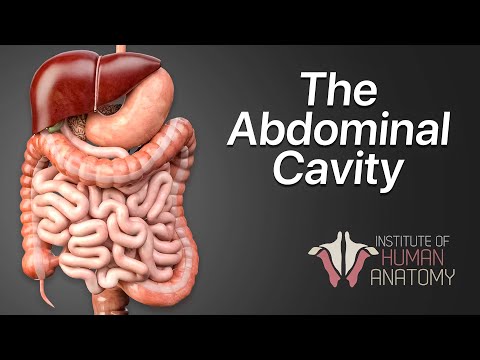
The abdomen is a vital area that houses many essential organs. These include the stomach, intestines, liver, pancreas, and kidneys. Each plays a unique role in keeping our body functioning well.
The Stomach
Think of the stomach as a mixer for food. When we eat, it churns food together with digestive juices to break it down into smaller pieces. This process is called digestion. After a few hours, the mixture moves into the small intestine.
The Small Intestine
This part is like a long tube that absorbs nutrients from food. It’s around 20 feet long! The walls of the small intestine are lined with tiny finger-like structures called villi, which help absorb vitamins and minerals into our bloodstream.
The Large Intestine
After nutrients are absorbed, what’s left goes to the large intestine. Its main job is to remove water from waste material and store it until we’re ready to go to the bathroom!
The Liver
The liver is often seen as a chemical factory of the body. It processes everything we eat or drink—filtering out toxins and producing bile for digestion. Bile helps break down fats in our diet.
The Pancreas
This organ has two main jobs: making insulin and digestive enzymes. Insulin helps control blood sugar levels while enzymes assist in digesting proteins, carbohydrates, and fats.
Caring for Your Abdominal Health
Maintaining good abdominal health involves several lifestyle choices. Eating a balanced diet rich in fruits and vegetables can support all these organs effectively.
- Staying hydrated helps with digestion and nutrient absorption.
- Regular exercise keeps everything moving smoothly through your digestive tract.
- Avoiding excessive alcohol can reduce strain on your liver.
- Listening to your body when something feels off is important too.
Common Myths About Abdomen Anatomy
Some people think that all stomach pain means something serious—like appendicitis or ulcers—but often it’s just gas or indigestion! Understanding what’s normal can help ease anxiety when discomfort arises.
Conclusion: Appreciate Your Abdomen!
Your abdominal organs work hard every day without you usually even noticing them. So hey, taking care of them through good habits can help them do their job better over time!
A Journey Through the Body’s Core: Discovering the Organs of the Abdomen’s Nine Regions
A Journey Through the Body’s Core
The abdomen hosts many important organs, classified into nine regions for better understanding. Each region has specific organs with unique roles that are vital for our health.
The Nine Regions
Think of the abdomen like a tic-tac-toe board. It’s divided into nine sections: right hypochondriac, epigastric, left hypochondriac, right lumbar, umbilical, left lumbar, right iliac, hypogastric, and left iliac.
Right Hypochondriac Region
This upper corner houses the liver and gallbladder. The liver processes nutrients from what we eat while the gallbladder stores bile which helps in digesting fats. You know how a sponge soaks up water? Well, that’s kind of what bile does for fats!
Epigastric Region
Here you find part of the stomach and part of the pancreas. The stomach breaks down food into smaller pieces—imagine using a blender—and the pancreas produces enzymes that help in digestion and hormones like insulin that regulate blood sugar.
Left Hypochondriac Region
This area includes the spleen and a bit of stomach as well. The spleen plays a crucial role in filtering blood and supporting your immune system—think of it as a security guard for your body’s bloodstream.
Right Lumbar Region
The right kidney resides here along with parts of the intestine. Kidneys filter waste from your blood, kind of like coffee filters separating grounds from liquid while brewing coffee!
Umbilical Region
Mainly housing parts of your small intestine—the duodenum specifically—and vessels related to digestion. It’s significant for nutrient absorption; think about how sponge absorbs water but also needs to let go when full.
Left Lumbar Region
This region contains your left kidney too and more lengths of intestine. Balancing hydration is important as kidneys work continuously to make sure there’s no build-up of waste in your body.
Right Iliac Region
Your appendix sits here along with some parts of the small intestines too! The appendix has often been considered ‘useless,’ but it may play some role in gut health—like having an old library you might never use but it’s good to have just in case!
Hypogastric Region
This central zone holds parts related to urinary functions like bladder alongside reproductive organs if you’re female or male; each organ plays essential roles in processes that keep us thriving daily.
Left Iliac Region
The end part of your colon is found here as well as part ot urinary systems. Maintaining good bowel habits helps prevent discomfort caused by conditions such as diverticulitis—a common issue involving inflammation or infection.
Caring for Your Abdominal Organs
- Balanced diet: A mix of nutrients can support overall organ function.
- Staying hydrated: Adequate water intake helps kidneys perform efficiently.
- Mild exercise: Simple activities promote digestion by keeping things moving along—a smooth highway is better than clogged streets!
- Sensible eating habits: Smaller meals can often ease digestive tasks rather than overwhelming them at once!
Your abdominal organs work together seamlessly every day. Paying attention to their needs can help maintain their vital functions! Remember that every step taken towards abdominal health leads toward overall wellbeing—a win-win really! Just be mindful not to take them for granted; after all they’re always doing their jobs behind-the-scenes!
Understanding abdominal organs is crucial for grasping how our bodies function and what we can do to care for them.
The abdomen houses essential organs like the stomach, intestines, liver, and kidneys. Each has a specific role that contributes to digestion, waste elimination, and overall health.
Take the liver, for example. It processes nutrients from food and filters toxins from the blood. Without it functioning well, other body systems can struggle. Similarly, the kidneys are vital in filtering waste and managing fluid balance.
It’s interesting how interconnected these organs are. If one struggles or becomes ill—like with inflammation or infection—it can affect others. Understanding this helps us appreciate why maintaining digestive health is so important.
Moreover, simple lifestyle choices like a balanced diet or staying hydrated make a big difference in keeping these organs happy. Ignoring symptoms like persistent pain or changes in digestion might lead to bigger issues later on.
In summary, knowing about our abdominal organs enhances our ability to care for ourselves better while promoting overall wellness.